
The end of a fairytale


Play
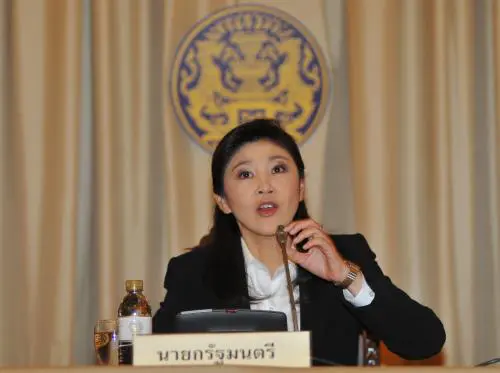
When Yingluck Shinawatra was crowned Thailand's first prime minister about three months ago - a romantic political inauguration of a common, albeit very rich, girl - she must have been dreading what the future might hold.
But deep down then, there must also have been some sense of comfort. With things being just short of perfect, they couldn’t turn so sour so quickly, could they? And even if change was inevitable, how bad could it be?
Princes Charming are always there to rescue Cinderella or Show White from their bad dreams. The bad news for Yingluck is that while nightmares are possible in a fairytale, there is no vice versa. Surreal as it seems, the flood disaster is the ultimate reality, probably the worst of its kind for a new, inexperienced political queen. In this unfolding nightmare, there is no knight in shining armour, only useless and mostly clueless advisers, many of whom are driven primarily by bad-blood politics. In fairytales, the heroines are often isolated first, only for everyone to come together later for them. Where is the help when Yingluck really needs it?
During her first few days in office, Jatuporn Prompan made a joke of himself by attacking the military on a daily basis, apparently unaware how menacing the floods would turn out to be and what role troops would play in relief and rescue operations. When the magnitude of the disaster became obvious, none of the other key red-shirt figures stepped forward to offer substantial technical assistance. The male ministers have also been all but worthless. The interior minister has been in the news less than all of the water “experts”, who have become last straws for a drowning populace to grab at. She was left to rely on a science minister, who obviously has problems with his timing, and a justice minister, who isn’t even quoted anymore.
Make no mistake. In a crisis of unprecedented scale, any government would face public wrath, volunteers would naturally win the people’s hearts and journalists who arrived first at scenes of distress would be accorded hero status. Yingluck’s misfortune, however, has little or nothing at all to do with the predictable. In fact, it’s good for her that relief mobilisation by the social media and conventional media has cushioned the blow of the life-threatening emergency. She also has the soldiers to thank for their swift response, discipline and endurance when problems seemed to be getting out of control.
In our nightmares we are in the wrong place at the wrong time, surrounded by wrong people. That’s Yingluck’s situation. Is she also “wrong” for Thailand in this crisis? Political leanings will influence the answer one way or the other, but the fact that this question is getting louder and louder must be a big part of her ongoing bad dream.
Opinion polls point at her “indecisiveness” or “lack of leadership”. What the pollsters have not mentioned is that such a public perception followed the disappointment caused by her government’s rush to vindicate her big brother. As northern dams showed the first signs they were in danger of overflowing, the government’s first few weeks featured Thaksin Shinawatra’s visa and passport affairs, the ruling party’s flirting with the amnesty and charter amendment ideas, and a controversial soccer game with Cambodia. A police chief was purged within days and replaced by a close relative of the ruling family.
A good relationship with the military would have toned down the “leadership” issue. The armed forces’ discipline, manpower, equipment and soldiers’ strong sense of public service and dedication have come in handy in this crisis, and any other government could have shared credit for it. To the Yingluck administration, the better the troops look, the more it boomerangs against government politicians.
She has shed some tears, as many would. Her brother displayed his soft side more than once while in office. Yingluck’s critics may not like it, but crying is not the serious issue here. The real problem, as one female blogger has tried to point out – and subsequently drew red-shirt fire on herself – is the misconception that for being a young female prime minister she deserves different treatment.
One veteran Government House reporter has commented that, in his 20 years on the beat, he has never seen a prime minister handled with so much care and respect. It is all right for the media to treat her differently from her male predecessors, but when this attitude thrives wherever she is and no matter what she does, dangerous distortions can occur.
The floods are washing away any illusions many people might have had about how good her “team” is, or about how a government can still function if a not-so-tough prime minister – a nominee to be exact – is backed up by an expansive and well-organised political apparatus. The waters have brought to an end a fairytale and exposed a nightmarish reality that promises to at least outlast its opposite number.
