
Rule of law takes a back seat in Thaksin passport drive


Play
Surapong's concern for boss' 'dignity' makes impeachment bid inevitable
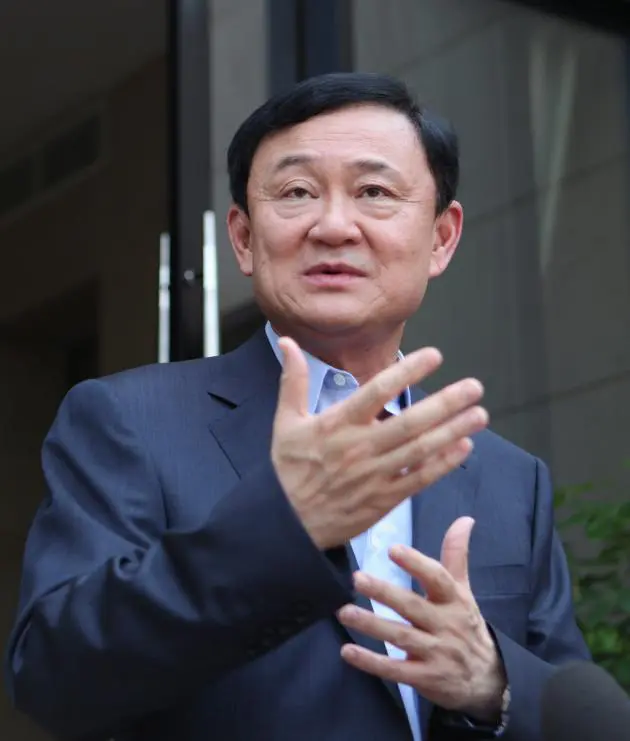
Is Noppadol Pattama confusing “dignity” with something else? Defending the Foreign Ministry’s renewed plan to return Thaksin Shinawatra his passport, Noppadol said the issue had more to do with dignity than any activity. Thaksin, he insisted, already had freedom to travel overseas with or without help from the Thai authorities. Returning the passport would be largely symbolic, according to the former foreign minister.
If Noppadol is confused, Foreign Minister Surapong Towichukchaikul may be even more so. While announcing his new push to get Thaksin back his passport, Surapong said the move would help reconcile Thai people on both sides of the political divide. Truth is, giving back Thaksin his passport will do anything but.
“Dignity” is something abstract, and even more so when Thaksin is concerned. To his admirers, he remains a hero regardless of whether he holds a Thai passport or not. To his detractors or opponents, even Thaksin being reinstated Thailand’s prime minister would never constitute anything close to “dignity”. In other words, what’s the necessity of Thaksin’s passport to begin with?
Many people, Thaksin’s supporters in particular, believe his Pheu Thai Party’s victory in a general election has returned Thaksin his dignity. Noppadol and Surapong obviously do not think so. To them, Thaksin needs to get back his Thai passport in order to be further redeemed. The passport is an integral part of Thaksin’s vindication, or so it seems.
Problem is, Thaksin remains technically and legally a convicted criminal. Surapong, in his capacity as foreign minister, is supposed to do his duty as a state official. That duty requires him to impose constraints on Thaksin’s travel – or at least not to facilitate his travel. If Surapong views Thaksin’s case as political, at least he should have waited until Thaksin’s legal status changes. What the foreign minister is doing is jumping the gun in total disregard for the rule of law just to serve someone he openly describes as his boss.
Surapong will face an impeachment campaign if he makes good on his promise to return Thaksin his passport before the New Year, or even before Christmas. On Friday, he openly stated that impeachment was a risk he was willing to take. The minister could have been encouraged by his earlier success when the Thai government managed to convince Japan to give Thaksin an entry visa. There was a political storm back then, but nothing that a dominant Pheu Thai government could not handle.
This renewed passport push comes hot on the heels of the botched attempt to give Thaksin a Royal Pardon on the occasion of His Majesty the King’s birthday. The pardon move triggered a huge public outcry that forced the Yingluck government to back down. Surapong was bold, to say the least, to announce the passport plan just after the government was attacked for not doing its best for the country during the flood crisis, and for focusing instead on divisive issues related to the ruling party’s patriarch-in-exile.
The foreign minister said he had made significant “achievements” that could blunt any impeachment campaign. He should not count helping Yingluck Shinawatra go through some international forums as something to boast about. As for Thailand’s conflict with Cambodia, the atmosphere for negotiations may have improved, but that’s hardly a result of the Foreign Ministry’s work. Every time Surapong’s name is in the news, it’s accompanied by Thaksin’s, and the minister’s latest plans to refurbish it.
It’s not fair for Thailand to have to lurch from one divisive Thaksin issue to another, especially during these difficult times. “15 million votes” have always been cited when a controversial government agenda concerning the man is under attack, but if the likes of Surapong, Noppadol or Deputy Prime Minister Chalerm Yoobamrung want to play with numbers, what would they say about the more than 10 million votes that were not cast for Pheu Thai in the last election? If “numbers” have taught us anything, it’s the lesson that manipulating them and it may never end.
