
Lend a helping hand to those who give us food


Play
Big corporate buyers of agricultural produce can do a lot more to help the farmers who supply them and their profit-making machinery
The government and responsible organisations should find ways to create a framework in which farmers operating under contract will not be taken advantage of.
Contract farming is a “forward agreement” between farmers and processing or marketing firms to supply agricultural products, frequently at predetermined prices. The number of farmers working within this system has increased in response to the modern supply-chain arrangement.
An increasing number of farmers are likely to operate under contract because they hope for a more stable and regular income. But some have found the agreements they made with certain major agricultural companies unfair because they have to shoulder the burden of losses and risks.
For instance, some companies instruct farmers to use only seed or other supplies from their subsidiaries. Some ask them to use chemical fertilisers to boost output, despite the potential negative effect on soil quality in the long term.
The responsible authorities and organisations must do better to ensure fair contracts between farmers and the powerful agricultural companies. Only with this protection can farmers fairly prosper and contribute to sustainable rural development in Thailand. Ideally, contract farming should help the farmers improve their capacity and the wellbeing of all people in the agricultural sector.
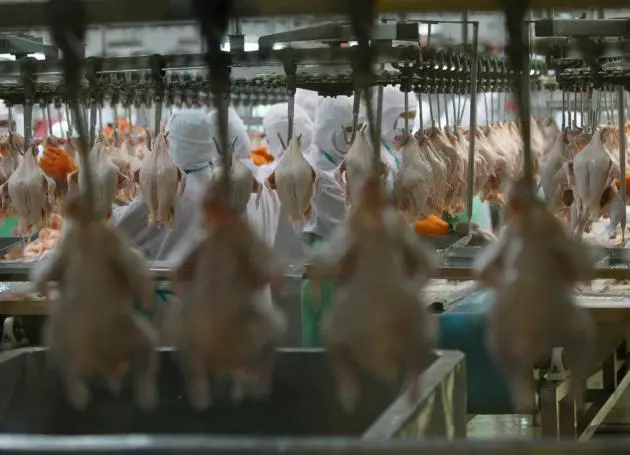
The number of farmers under the contract system is also increasing because farmers naturally want a secure customer base. For example, 80 to 90 per cent of all poultry farms currently operate under contract agreements.
A recent seminar on contract farming revealed some of the problems facing the farmers. These include the burden of higher costs of production because they’re forced to buy seed or animal feed from the company to which they’re contracted – often at prices higher than market value.
Other farmers have to put up initial investment for production without financial support from the agricultural companies. This is despite the fact that the companies are well able to prevent farmers from becoming victims of loan sharks.
Certain requirements can also affect the traditional way of life of farmers, such as the requirement to use chemical fertilisers, which runs counter to farming tradition. In addition, some agribusiness companies take no responsibility for the pollution caused by the use of chemicals, or for the waste treatment that is sometimes necessary as a result of contract farming.
Farmers who are not part of the contract system sometimes feel pressure from being on the outside, because some major companies will buy only produce from the seeds they supply.
The government can help these farmers by assigning relevant agencies to take care of them. At the very least, all farmers should know where they can seek advice in regard to contract farming and how they can negotiate fairer deals with the big companies.
Contract farming can promote our agricultural sector because it can ensure the quality of produce and help increase output in response to global concerns over future food supply.
But this can only be done with more help from the agribusiness companies. Equipped with far better resources and financial support to take care of farmers, the big firms can do a lot more to improve farmers’ capacity and strengthen our agricultural sector. A little bit of compassion and justice would ensure that all parties co-exist in prosperity together.
