
Tuned in to the future


Play
Satellite TV executive Chirasak Sriwirom believes that new broadcasting media can play a vital role in facilitating the further integration of Asean member countries
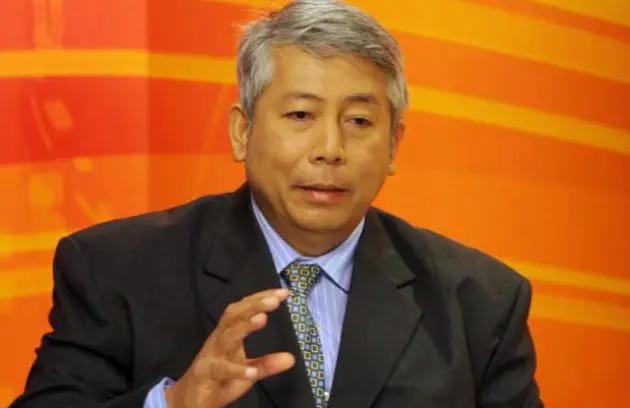
Chirasak Sriwirom, managing director of Asia Broadcasting Television Ltd (ABTV), believes that the satellite TV industry will soon play a crucial role in facilitating the economic integration of Asean countries.
In Thailand, the number of satellite TV channels has jumped in the past seven years from none to a total of over 170 today.
“Previously, we were only used to network TV like channels 3, 5, 7 and 9. Now, there are multiple channels for diverse audiences withcontent covering music, sports, movies, news, variety entertainment and shopping – virtually anything.
“When compared to other Asean countries, it’s obvious that the demand for satellite TV services in Thailand will grow very fast in the coming years. In fact, the past several years show that the growth rate in the Asia and Pacific region is higher than that of North America and Europe.
“We started the satellite TV business in Thailand at a time when there were virtually no rules and regulations. Now, we have the National Broadcasting and Telecom Commission in place as the industry’s regulator.
“We’ve seen collaboration among all the stakeholders in this business, including hardware suppliers, content and channel providers, who have put things together. The absence of a regulatory body has contributed to the explosive growth of satellite TV here.
“The regulators should bear in mind that new technology allows unprecedented flexibility in broadcasting, so there are now many options to deliver the service. The equipment is cheaper and better.
“In other words, the regulators should play the role of facilitating efforts of the operators rather than imposing strict rules and regulations on the industry. They have to be supportive and should not use historical records to regulate new industries such as satellite TV, as technology keeps changing all the time.
“They should draft rules that are 5-10 years ahead of the industry. Otherwise, they will be outdated by the time the rules are actually enforced.
“Our clients include Nation Multimedia Group and network TV stations like channels 5 and 9, which have also introduced satellite TV services to complement and broaden their existing coverage. We have seen an annual growth rate of at least 10 per cent over the past seven years.
“Nine years ago, there were less than two million viewers of satellite TV in Thailand. Today, the number is over 10 million for those who can access multiple network and satellite channels.
“This year alone, a billion new TV sets will be sold worldwide, and half could easily be in Asia, where the economic growth rate is higher than that in the rest of the world.
“For the Asean Economic Community, satellite TV can play a crucial role in bringing together the peoples of all member countries to create the ‘one vision, 10 countries’ mindset. There should be no national boundaries in the economic integration process.
“The market will be bigger, with nearly 600 million consumers, while manufacturers will enjoy new economies of scale, resulting in cheaper products and greater varieties.
“In terms of cultural exchanges, the new network technology will allow the broadcasting of high-definition or 3-D and other movies with voice-overs in multiple Asean languages. Popular titles can be broadcast simultanously in several Asean countries with subtitles in Bahasa Indonesia or Tagalog in the Philippine, or any other dialects, via multi-radio tracks,” he says.
