
L'Oréal reinforces commitment to sustainability and inclusion


L'Oréal for the Future reflects the company’s commitment to a sustainable and inclusive future, aiming to protect the planet’s beauty while empowering communities worldwide.
For over two decades, French multinational personal care company L'Oréal Groupe has pursued a more sustainable and inclusive future, aiming to protect the planet’s beauty while empowering communities worldwide.
Sustainability practices have been embedded in day-to-day operations, the company has also refined parts of its roadmap and introduced new targets focused on key material issues, including cutting virgin plastic use, regenerating nature and strengthening water resilience.
Four pillars guiding the 2030 roadmap
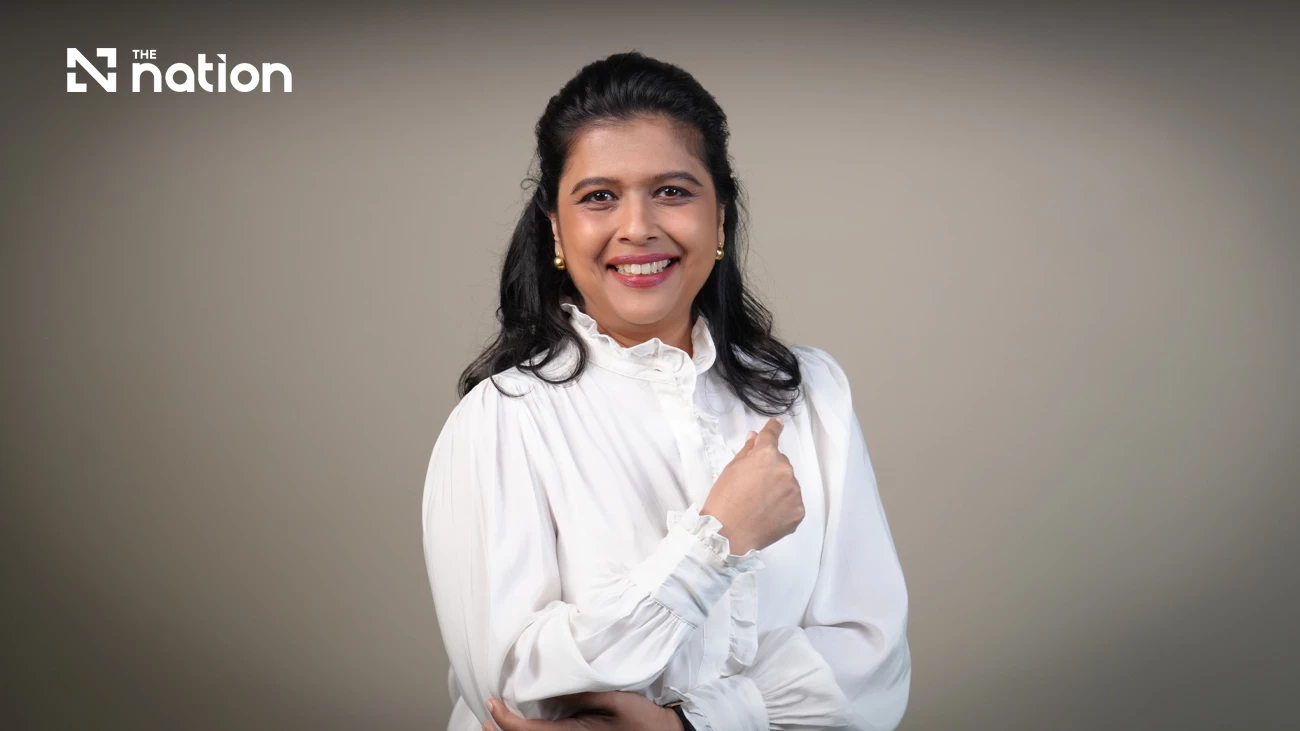
Rohini Behl, Chief Sustainability Officer for L'Oréal in SAPMENA (South Asia Pacific, Middle East and North Africa), told The Nation in an exclusive interview that the L'Oréal for the Future programme recognises that economic performance cannot be separated from environmental and social performance.
That early shift towards sustainability has helped the company better prepare for the challenges facing the world today, particularly those driven by climate change, with the effects spreading into economies, societies, public health and food security.
“Beauty is a powerful force that moves the world, but it must not come at the expense of the planet. Sustainability is a journey we’ve been on for over twenty years, when we launched our first environmental targets. With L’Oréal for the Future, our current sustainability programme launched in 2020, we have fundamentally reshaped our business model to respect planetary boundaries,” she explained.

Behl said the L'Oréal for the Future programme is built around four pillars: stewarding the climate transition, safeguarding nature, driving circularity and supporting communities. The programme includes commitments to 100% renewable energy at operated sites, sustainable sourcing in its formulas and packaging, using recycled materials, and helping people from disadvantaged communities gain access to employment.
“Transformation happens through action – one product, one choice, one moment at a time – because deliberate daily choices can set in motion forces greater than themselves. Whether it’s a consumer choosing a refill or a factory optimising energy and water use, these moments create a larger collective impact,” she said.
Driving responsible growth in SAPMENA
Asked how L'Oréal is driving transformation and engagement in SAPMENA, Behl said the region is home to around three billion consumers, accounting for roughly 40% of the world’s population. She described it as young, dynamic, digitally connected and fast-growing.
At the same time, she noted that SAPMENA is also highly vulnerable to climate change and marked by wide social and income inequalities.
“As the world’s leading beauty player, we have a responsibility to the environment and communities. We want to grow the business, responsibly for planet and for people,” she said.
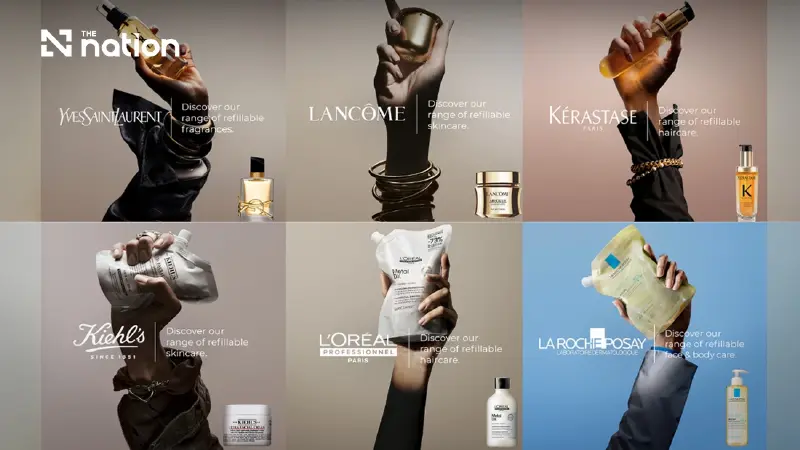
L'Oréal is placing growing emphasis on refills, which use fewer materials and encourage more conscious consumption.
Behl cited Lancôme Génifique as one example. When the product was relaunched as a refillable solution, she said, its weight was reduced by 74%. Getting a Génifique Ultimate refill instead of repurchasing one new bottle can save 100% glass, 36% metal, 15% plastic, and 20% cardboard.
“Each time a consumer buys a refill, she is making a choice that is better for the planet, without compromising on the luxury experience,” she said. “And when the packaging is returned and recycled, it can re-enter the system as recycled glass, plastic or metal.”
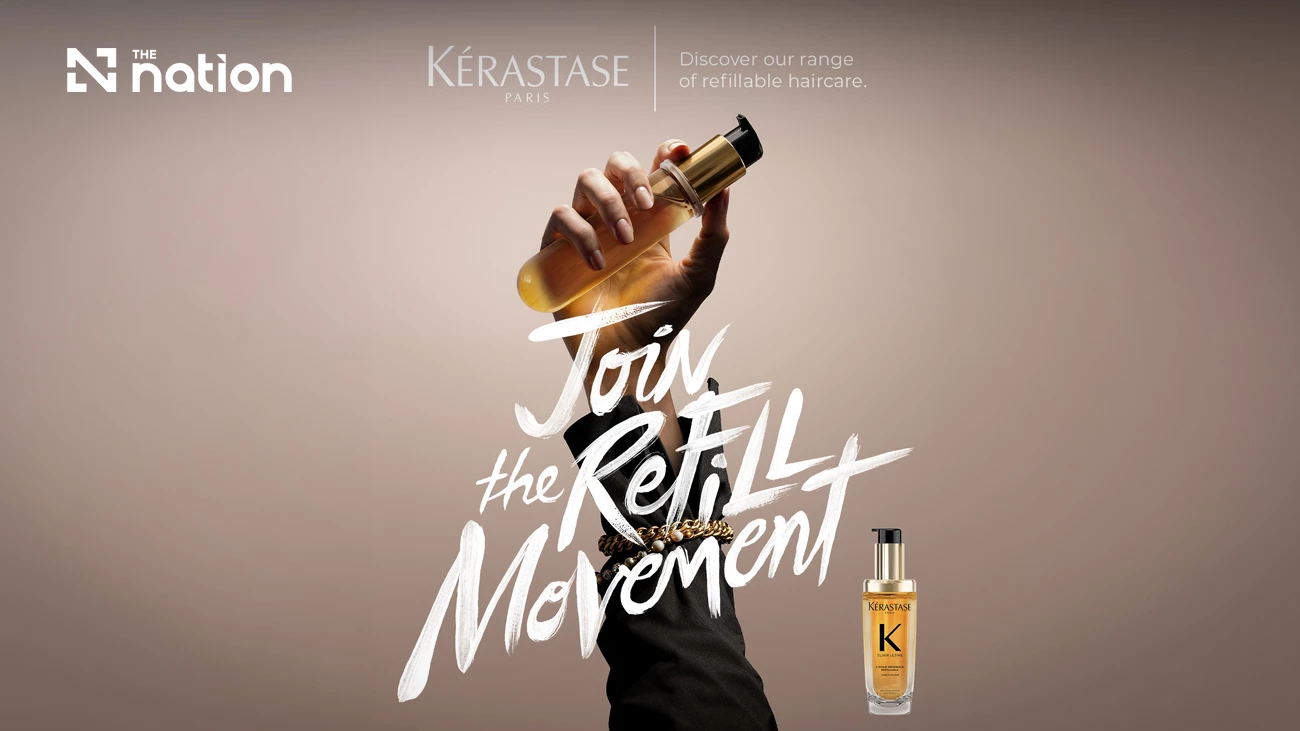
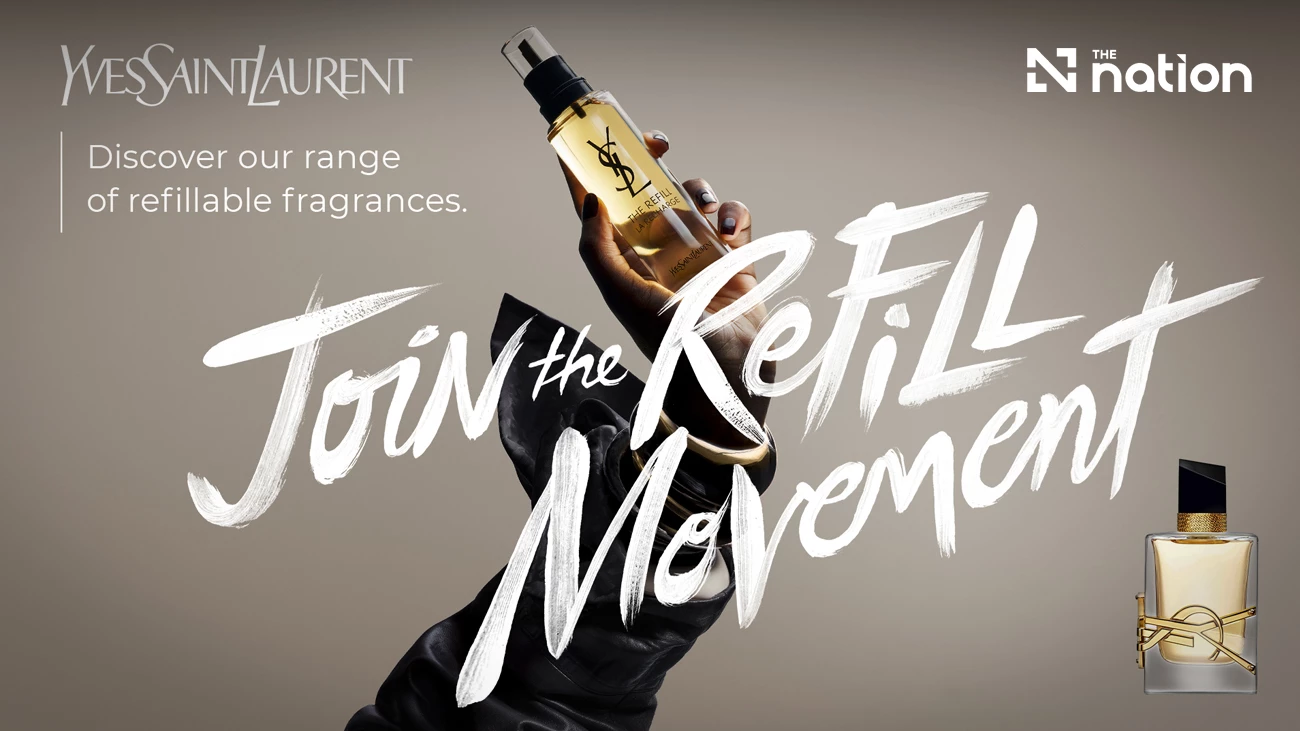
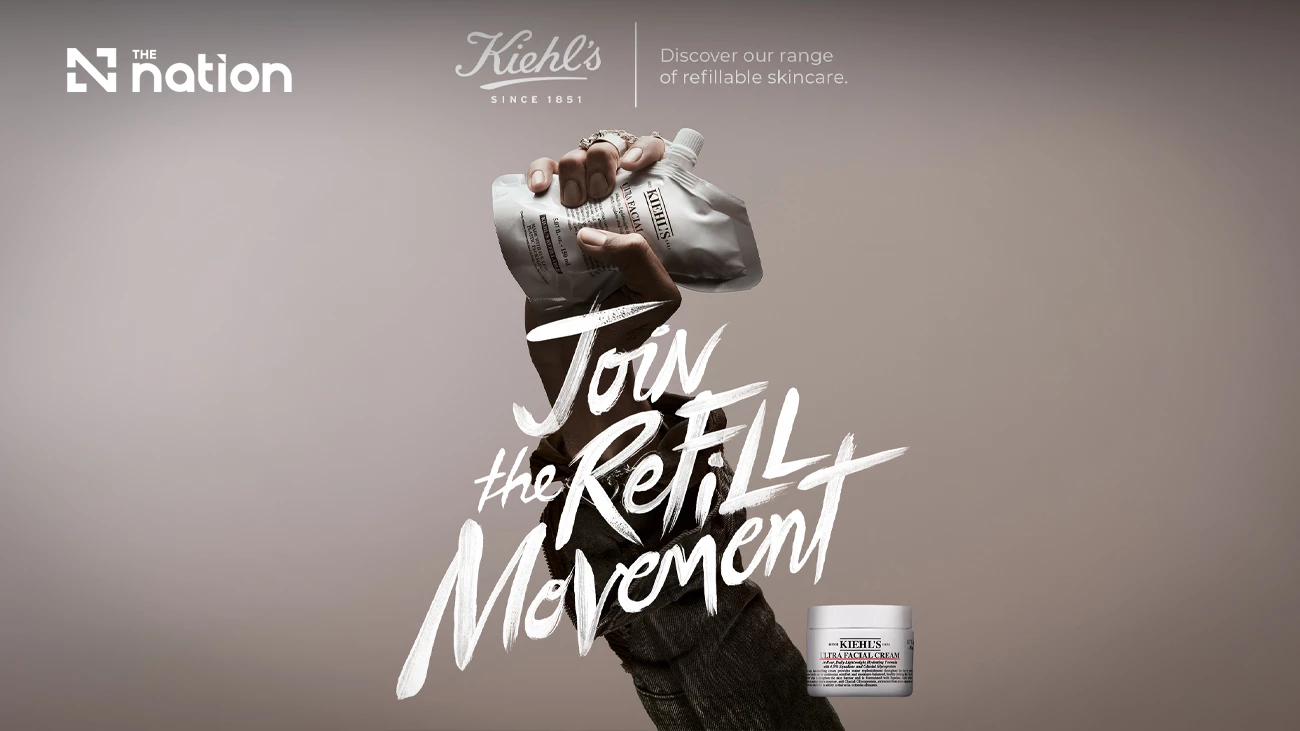
She added that L'Oréal has launched the Join the Refill Movement campaign to encourage consumers, retailers and the media to raise awareness and improve understanding of refillable beauty solutions across its product range.
“We wanted to make refills cool and become a new norm. In Thailand, more consumers are now choosing refills and we are working with partners like Watsons, Central Group and Shopee on activations to raise consumer awareness,” said Behl.
When it comes to supporting communities, Behl highlighted the company’s vocational training programme, Beauty for a better Life, which equips women from disadvantaged backgrounds with skills in hair, make-up and beauty services, helping them access employment and earn a livelihood.
“L’Oréal has a proud history of empowering women and working with them to build the world of tomorrow. I’m particularly proud that we’ve helped more than 50,000 women across the region,” she said, adding that the company remained committed to expanding its impact further. “When you empower a woman, you lift an entire community.”In Thailand, L’Oreal’s decade-long partnership with the Ministry of Social Development has already empowered over 600 graduates, with plans to expand these vocational hubs even further over the next five years.
Challenges remain in scaling sustainability
Behl also acknowledged that advancing these initiatives comes with challenges. The biggest constraint, she said, is the current lack of technical solutions needed to drive sustainability at scale.
What is needed, she added, is greater innovation, along with a shift in mindset away from a linear, extractive “take, make and dispose” model towards a circular economy.
“When it comes to society, I spoke about refills. The question is: how do we now engage our consumers, our retailers and employees across the ecosystem to educate them and make them aware of the availability of refillable beauty solutions? How do we make it easy to use and accessible for them? The real shift is in our mindsets. This is one of the ways in which we want to engage society as a business towards consuming more consciously,” she explained.
From an environmental perspective, she said the focus is on reducing packaging intensity and cutting material use by shifting to more recycled solutions. However, she added that greater recycling capacity is still needed.
“We need stronger progress from governments, from society and from consumers in disposing of products correctly, so that we can recover materials and return them to the value chain for recycling,” she added.
Progress at the halfway mark
With 2025 marking the halfway point towards L'Oréal for the Future’s near-term 2030 targets, Behl said the programme had already delivered strong progress across its four pillars, particularly in decoupling business growth from emissions.
Under the Steward the Climate Transition pillar, she said L'Oréal had already reached its target of 100% renewable energy and remained committed to maintaining that achievement year after year as part of its 2030 commitments.
L'Oréal has also reaffirmed its role in the global effort to tackle climate change by targeting net-zero carbon emissions by 2050. Behl said L'Oréal for the Future covers the near term from 2020 to 2030, while the company’s broader commitments and roadmaps extend all the way to 2050.
“Our climate transition plan to be net-zero by 2050 is validated by the Science Based Targets initiative,” she said, adding that the company knows there is still much more to be done globally.
“The focus for the next five years will be key: decoupling growth from emissions, driving circularity through refillable beauty solutions — and supporting communities towards a more equitable and inclusive society. We have made great strides, but there is much more to be done to ensure beauty remains a force for good,” Behl concluded.
