
Gastech 2026 strengthens Thailand’s energy hub push amid AI demand
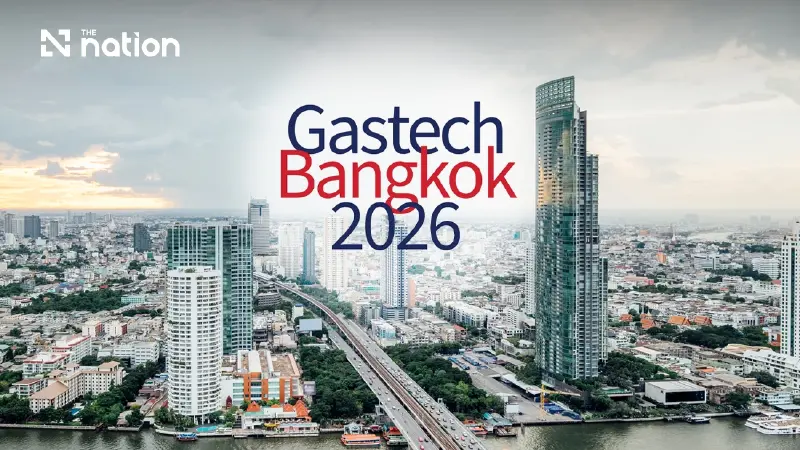


Gastech 2026 will bring global energy leaders and investors to Bangkok, supporting Thailand’s energy hub ambitions and Asia’s AI-driven power demand.
- Thailand is hosting the Gastech 2026 conference in Bangkok to bolster its ambition of becoming a regional energy hub.
- The event addresses the country's surging energy demand, which is fuelled by industrial growth and major investment from tech companies for artificial intelligence (AI).
- Gastech 2026 will gather global energy leaders, investors, and policymakers to discuss securing reliable energy supplies through natural gas, LNG, and low-carbon solutions.
- By hosting the conference, Thailand aims to attract investment and forge partnerships to strengthen the energy security needed for its future economic expansion.
Asia’s economic landscape is undergoing a major shift, with Thailand emerging as one of the clearest examples of the changes taking place across the region.
Over the past two years, Thailand has approved operating licences for more than 1,000 new factories, moved to upgrade its electricity grid infrastructure to support further growth and attracted billions of US dollars in investment from global technology companies including Google, Amazon Web Services (AWS) and Microsoft as artificial intelligence (AI) expands rapidly.
These developments are opening a new phase of economic opportunity for Thailand while also highlighting the scale of the energy challenge facing Asia.
As the region’s emerging markets become increasingly important to long-term global economic growth and stability, the central question for governments, industry and investors is no longer whether energy demand will rise, but how sufficient supplies of reliable, affordable and sustainable energy can be delivered to support that expansion.
Behind every new factory, data centre, transport network and residential development is a growing requirement for dependable electricity and fuel. That demand is helping to place Asia increasingly at the centre of the global energy industry.
Emerging and developing economies accounted for more than 80% of global energy-demand growth in 2024, with developing Asia responsible for around 60% of the worldwide increase. Electricity demand rose by 4.3% in the same year, while global electricity consumption by data centres is expected to more than double by 2030.

Future energy systems must complement, not compete
Meeting this rising demand will require a pragmatic approach in which different energy sources complement one another rather than compete for a single role. Natural gas and liquefied natural gas (LNG) can provide a stable foundation alongside the accelerated expansion of renewable energy and energy-storage systems.
At the same time, additional low-carbon electricity could come from nuclear power and small modular reactors (SMRs), supported by stronger electricity grids and interconnections capable of integrating the different elements of the energy system.
The scale of the challenge extends well beyond the needs of rapidly growing economies. More than 700 million people worldwide still lack access to electricity, reinforcing the need to develop energy systems that can deliver practical improvements for people and communities rather than solutions that work only in theory.

Gastech 2026 links energy, capital and infrastructure in Bangkok
Against this backdrop, Gastech 2026 is preparing to bring the global energy industry to Bangkok. The major international conference and exhibition covers natural gas, LNG, low-carbon solutions, electricity systems and AI applications for the energy sector.
Hosted by Thailand’s Ministry of Energy, Gastech 2026 is intended to connect energy supply, capital and infrastructure — three elements considered critical to maintaining stability in global energy markets while meeting future demand.
The event will bring together policymakers, regulators, energy producers, infrastructure and technology providers, investors, energy traders and utilities from across the global energy value chain to examine how energy systems can respond to rising demand while strengthening energy security and supporting long-term economic development.
For Asia, the gathering provides an opportunity for regional participants to engage directly with international decision-makers and develop strategic partnerships intended to support a secure, balanced and adequately supplied energy system for the future.
With the event taking place in the heart of Southeast Asia, the Gastech Strategic Conference will provide a platform for energy ministers, policymakers and international organisations to discuss the policies, partnerships and investment frameworks needed to support the next phase of growth.
More than 800 speakers are expected to participate in over 200 sessions and 18 specialist programmes covering issues ranging from energy security and supply diversification to infrastructure development, regulatory cooperation and the role of energy in supporting economic prosperity in both emerging and developed markets.
Beyond government and regulatory discussions, Gastech will also bring together executives involved in producing, supplying, investing in, transporting, trading and delivering energy.
Senior leadership sessions will give chief executives and other decision-makers an opportunity to examine commercial partnerships, investment opportunities and infrastructure projects needed to address rising demand, technological change and evolving energy-security challenges.
Confirmed government speakers include Akanat Promphan, Thailand’s Minister of Energy; Gan Siow Huang, Singapore’s Minister of State at the Ministry of Trade and Industry and Ministry of Foreign Affairs; and Iqbal Hassan Mahmood, Bangladesh’s Minister of Power, Energy and Mineral Resources.
Industry speakers include Tengku Muhammad Taufik, president and group CEO of PETRONAS; Dr Narin Phoawanich, governor of the Electricity Generating Authority of Thailand (EGAT); Dr Kongkrapan Intarajang, CEO and president of PTT; Yukio Kani, global CEO and chair of JERA; and Dr Poonpat Leesombatpiboon, secretary-general of Thailand’s Energy Regulatory Commission.
Other confirmed speakers include Yoshinori Kanehana, chairman of the board of Kawasaki Heavy Industries; Takayuki Ueda, president and CEO of INPEX; Chenghong Jiang, chairman of ENN Natural Gas; Tawatchai Sumranwanich, president of EGCO Group; and Akshay Kumar Singh, managing director and CEO of Petronet LNG.

Turning energy dialogue into deals and investment
Discussions between regional and global energy leaders will extend to the exhibition floor, where international suppliers, buyers, utilities, developers, investors and technology providers will seek to turn strategic discussions into commercial opportunities.
Chevron, ExxonMobil and Shell will serve as co-hosts, with EGAT, PTT and Gulf participating as National Consortium Partners. RATCH and EGCO will be National Consortium Supporters, reflecting cooperation between the government, major Thai energy companies and international industry groups involved in Gastech 2026.
Across the wider energy value chain, producers and energy companies including ADNOC, XRG, Cheniere, Venture Global and Woodside Energy will be brought together with buyers and utilities such as KOGAS, GAIL, SEFE, Uniper and ENGIE.
Infrastructure and engineering groups including Bechtel, Technip Energies and Samsung Heavy Industries will participate alongside technology companies such as Baker Hughes, Siemens Energy and Honeywell, as well as major energy trading houses Vitol and Trafigura.
Bringing participants from across the industry into a single venue is intended to create a direct connection between demand and delivery while accelerating cooperation across the global energy sector.
The previous edition demonstrated the commercial scale of the event, with Gastech 2025 facilitating approximately US$60 billion in commercial agreements and investments.

Thailand stakes out a larger role in the global energy landscape
Hosting Gastech 2026 gives Thailand an opportunity to strengthen its position as a meeting point for the energy, investment and infrastructure partnerships needed to support Southeast Asia’s growth and the wider global economy over the coming decade.
Thailand’s existing energy sector and infrastructure provide a foundation for hosting the gathering at a time when the international energy landscape is becoming increasingly complex.
Against that backdrop, the country is seeking to raise its profile in the global energy industry while strengthening the energy security required to support future economic expansion.
