
Bangkok Launches New Effort to Address Health Impacts of Extreme Heat
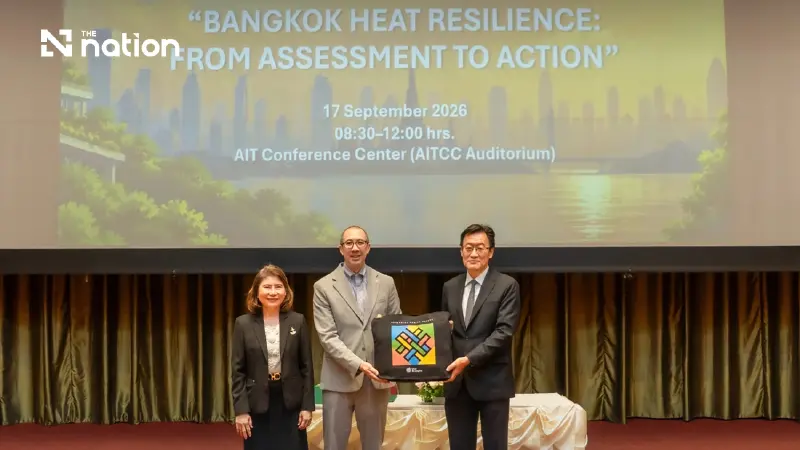


The initiative will use heat, health and vulnerability data to identify high-risk communities and guide targeted measures to reduce heat-related health risks
Bangkok Metropolitan Administration (BMA) today announced the city will begin development of its Integrated and Evidence-Based Heat–Health Action Plan as part of Bangkok’s work with the Partnership for Healthy Cities—a global network of more than 70 cities committed to saving lives by preventing noncommunicable diseases (NCDs) and injuries. The initiative, launched in collaboration with the Asian Institute of Technology (AIT), will use scientific evidence to identify the neighborhoods where heat poses the greatest health risks, who is most vulnerable, and what measures can better protect residents.

Dr. Lertluck Leelaruangsang, Deputy Permanent Secretary of the Bangkok Metropolitan Administration (BMA), said, “Extreme heat is not only a climate issue; it has direct impacts on the health of Bangkok residents, particularly older people, people with underlying health conditions, outdoor workers, and those who are especially vulnerable to heat. BMA is therefore strengthening the city’s preparedness and response through a systematic approach, including heat-risk monitoring and public alerts, cooling spaces, expanded green spaces, and targeted support for those most in need of protection. The development of the Heat-Health Action Plan will build on these ongoing efforts by using data and scientific evidence to identify the areas and populations most affected by heat and inform measures tailored to local needs. This will help reduce health impacts and strengthen Bangkok’s long-term resilience to the health risks of a changing climate.”
Extreme heat is a growing public health threat in Bangkok—and it is not felt equally. Older people, outdoor workers, residents of low-income or densely populated communities, and people with NCDs—such as heart disease and asthma—face greater risks because of differences in health, occupation, housing, surrounding environments and access to protective services.
BMA is responding by combining data on heat, health, demographics, occupation and access to heat-protection services to map exposure and vulnerability across the city, strengthen early warning systems, and target public health interventions through a dedicated Heat-Health Action Plan.

“Heat risk is not determined by temperature alone. Two communities experiencing similar temperatures can face very different health risks depending on factors such as age, health conditions, occupation, housing and access to cooling and other protective measures,” said Associate Professor Dr. Ekbordin Winijkul, Dean of AIT’s Faculty of Civil and Environmental Engineering. “Our goal is to provide scientific evidence that helps identify not only where it is hottest, but also where heat is most likely to affect people’s health and what interventions can make the greatest difference.”
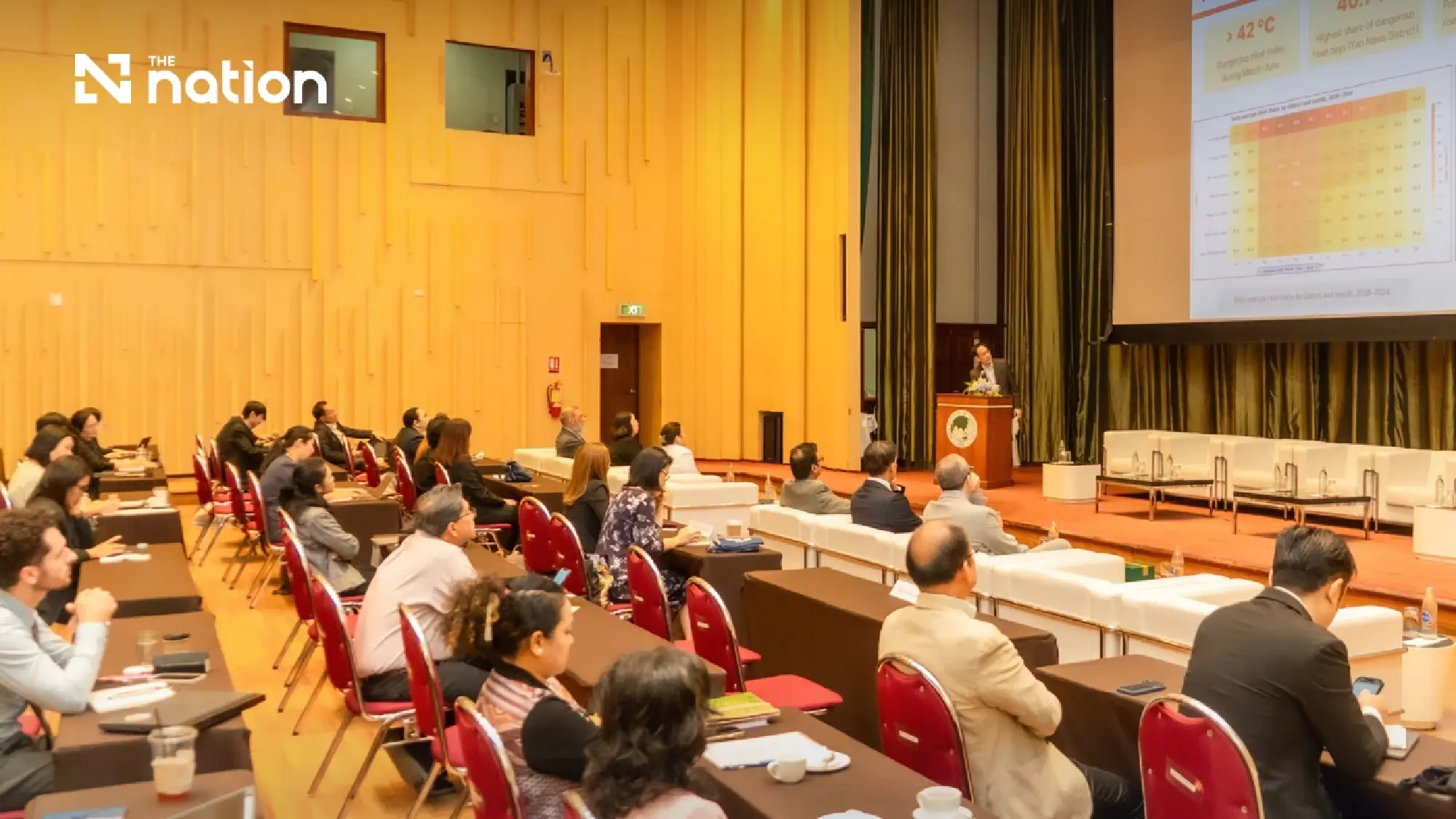

Mapping Heat Risk Across Bangkok
Low-cost sensors will be used to collect accurate, localized data. Integrated with meteorological, satellite, demographic, health and occupational information, these data will help build assessments of high-risk populations and provide greater visibility to health risks in workplaces, communities and homes.
“Extreme heat magnifies existing inequalities, placing people with the fewest resources and protections at greatest risk,” said Farhad Ali, Deputy Regional Director for Asia Pacific, Partnership for Healthy Cities at Vital Strategies. “This project reflects Bangkok’s commitment to confront the significant public health impacts of extreme heat, transforming local data into targeted action that saves lives.”

Selected high-risk districts will serve as pilot sites for community outreach and risk communication, support for older people and people living with chronic diseases, measures to protect outdoor workers from heat risks, and improved access to cooling spaces and drinking water. Lessons will help determine which approaches are practical and responsive to the needs of different communities and inform recommendations for wider implementation across Bangkok.
