
Radware Expands Cybersecurity Presence in Thailand with New Cloud Security Service Center to Support Digital Economy and AI Growth
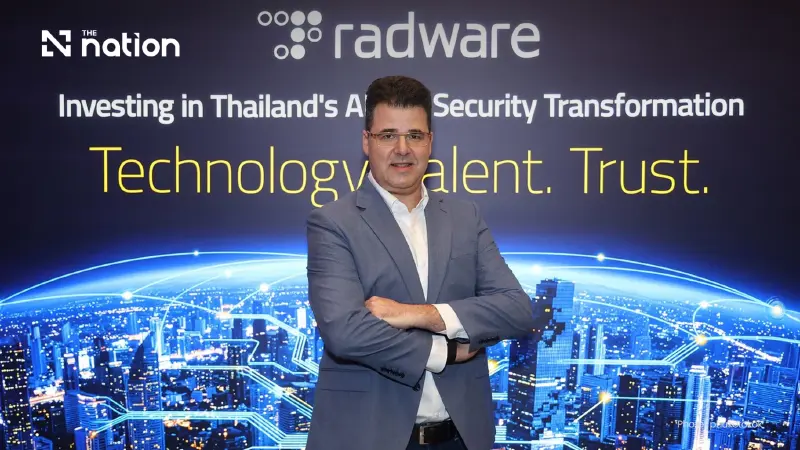


BANGKOK, Thailand – October 8, 2026 – Radware (NASDAQ: RDWR), a global provider of AI-powered cybersecurity solutions, is expanding its presence in Thailand with the launch of a new Cloud Security Service Center connected to the company’s global Cloud Security network.
The new center is designed to strengthen application and API protection for enterprises and government organizations, supporting the continued growth of Thailand’s digital economy and the increasing adoption of AI across businesses, while enhancing organizations’ ability to respond to the growing volume and sophistication of cyber threats across the Asia-Pacific region.
Yaniv Hoffman, Vice President and Managing Director, Asia Pacific and Japan at Radware, said the investment is part of the company’s broader strategy to expand its global Cloud Security network. The initiative is aimed at strengthening service capabilities for customers in Thailand, reducing data transmission latency, and supporting compliance with relevant data and regulatory requirements as Thai organizations continue their long-term digital transformation.

The expansion builds on Radware’s continued growth among government and enterprise customers in Thailand and reflects the strategic importance of the Thai market to the company’s Asia-Pacific business strategy, as demand for cloud security services continues to rise.
“Organizations in Thailand are becoming increasingly dependent on applications and cloud-based services to support business-critical operations. At the same time, the rapid adoption of AI is creating both new opportunities and new security challenges.
“We see Thailand as a strategically important market with strong growth potential. This investment reflects our confidence in the continued expansion of Thailand’s digital economy and its increasing adoption of AI-driven technologies.
“Expanding our Cloud Security network within Thailand will enable us to bring our protection services closer to customers, helping improve application resilience and recovery from cyber threats while strengthening our ability to support partners, government agencies, and enterprise customers across the country,” said Hoffman.

Addressing Thailand’s Growing Cybersecurity Needs Amid Rising Threats
At the same time, cybersecurity has become an essential component of enterprise risk management and business continuity.
Thailand has also been strengthening its cybersecurity standards for cloud environments. According to information cited in the original release, the Cloud Cybersecurity Standard, developed by Thailand’s National Cyber Security Agency (NCSA), came into effect in September 2026 and establishes cybersecurity requirements for cloud environments used by government agencies and Critical Information Infrastructure organizations.
Meanwhile, the cyber threat landscape across the Asia-Pacific region continues to drive increased investment in cybersecurity.

According to Radware’s H1 2026 Global Threat Analysis Report, which is based on the company’s internal data and analytical methodology, Web DDoS attack activity targeting the Asia-Pacific region increased by 485% in 2025 compared with the previous year, with the region accounting for 24% of global Web DDoS attack activity.
During the first half of 2026, the Asia-Pacific region accounted for 18.5% of global Web DDoS attack activity. At the same time, malicious web application and API transactions increased by 104% compared with 2025 levels, with more than 14,000 malicious application transactions recorded per day.
These figures highlight the growing challenges organizations face in protecting their digital environments, particularly applications and APIs, which are playing an increasingly important role in connecting business systems, enabling online services, and supporting AI-powered technologies.

Expanding a Global Cloud Security Network of More Than 65 Centers to Strengthen Services in Thailand
Hoffman said the new Cloud Security Service Center in Thailand will become part of Radware’s global Cloud Security network, which includes more than 65 service centers worldwide.
Radware owns and operates the service centers as well as the equipment deployed within them, enabling the company to directly manage service capacity, quality, and performance.
The network is designed to detect, mitigate, and respond to cyberattacks as close as possible to their point of origin, helping reduce potential impact on customers’ systems and improve overall threat response efficiency.
The new service center in Thailand is intended to improve application responsiveness for regional data traffic, reduce response and attack mitigation times, and support compliance with data residency requirements.
The network expansion is part of Radware’s broader strategy to enhance its service capabilities and meet the growing needs of enterprises and government organizations as they expand their use of cloud and AI technologies.

Leveraging AI to Strengthen Real-Time Application and API Protection
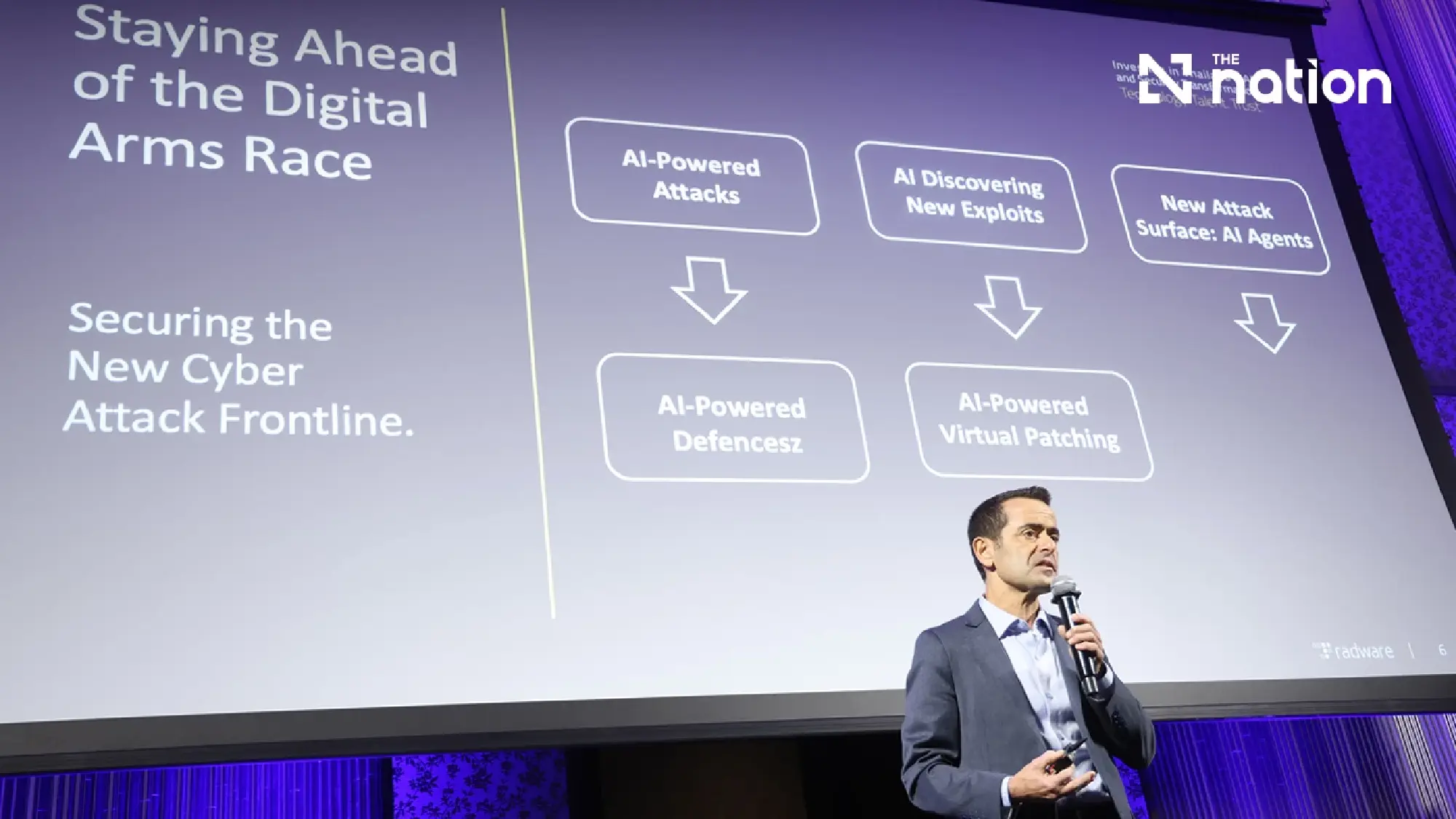
From a technology perspective, Radware combines AI-powered security with behavior-based technologies to automatically detect and respond to cyber threats in real time, helping improve protection for enterprise applications and digital infrastructure.
These technologies are designed to address sophisticated threats, including attacks targeting websites and applications, Distributed Denial of Service (DDoS) attacks, API abuse, and malicious bot activity.
Radware currently provides a broad portfolio of Cloud Security products and services, including Cloud DDoS Protection, Cloud Application Protection, API Security, Bot Manager, and AI security solutions designed to support organizations across diverse digital environments.
The company also provides end-to-end API security capabilities spanning API discovery, posture management, testing, and runtime protection, together with advanced protection technologies for AI agents and AI models.
The launch of the new service center in Thailand is part of Radware’s continued investment in its cybersecurity infrastructure to strengthen support for customers and partners in the country, address evolving cybersecurity requirements, and help organizations securely adopt cloud and AI technologies across their business operations.
