
Residences to cost more


Play
Developers say they will be compelled to increase price by 3-5 per cent because of increase in labour cost and cost of construction raw materials
Home-buyers will have to increase their budget by 5-10 per cent to buy residences in the second quarter of this year compared with last year, property experts said.
The price of residences will rise as a result of the hike in the daily minimum wage to Bt300, which came into effect on April 1, and also an increase in the prices of construction raw materials. Construction raw material manufacturing firms have had to shoulder not only the increased labour cost but also the rising price of energy.
The president and chief executive officer of leading property firm Pruksa Real Estate, Thongma Vijitphongpun, forecast that residential prices would increase by 3-5 per cent, depending on the size of the home, because of the wage hike and rise in prices of construction raw materials.
He added that the rise in minimum daily wage by about 33 per cent would push up prices of residences by about three per cent per unit while another two per cent could be due to the impact of rise in prices of construction raw material like steel and cement.
“We will absorb the increased cost in the first two or three months after the wage hike came into effect to help our customers. But after that, we will have to monitor our costs and may have to increase our residential price in the last month of the second quarter of this year or the third quarter of this year,” he said.
Home-building firm Seacon Home Group’s managing director, Supitcha Chaipipat, said that most of its suppliers who provide construction raw materials had started to revise their prices. Some of the price rise came into effect in January this year following the increase in the price of energy, while some other materials are likely to see an increase this month.
“We will revise up our price in the second quarter of this year for new contracts, between 3-5 per cent, depending on the residential type,” she said.
Quality Houses executive vice president Saenphin Sukhee said the two factors together – the rise in the minimum wage and increase in material cost – would push up residential prices by 5-10 per cent depending on the location and the competition in the area.
SC Asset Corporation chief operating officer Kree Dejchai said labour accounted for about 20 per cent of construction cost, while construction raw materials and energy cost have also started to rise. This would increase construction cost by 3-5 per cent as a result the company may have to increase its residential price by 3-5 per cent in the second quarter of this year.
He added that although the company has tried to develop its construction process to reduce labour cost, such as a prefabrication system, but that cannot offset the increase in prices of construction raw materials. As a result the company has to increase its residential prices between three and five per cent.
Currently, labour accounts for about 20 per cent of the cost of constructing residential projects, while 30 per cent of the overall cost is for materials, 30 per cent for land, and the rest for operations and management.
However, property firms continue to believe that despite the impact on costs, the rise in the minimum wage will increase the purchasing power for homes priced lower than Bt1 million.
LPN Development managing director Opas Sripayak said the government’s increase of the minimum salary for university graduates to Bt15,000 per month for state agency staff in January and the increase in the labour wage would both increase purchasing power.
“Although the rise in minimum wage will affect our expenses, if we can manage our costs, we will [see a positive] impact from this policy. We believe that this increase in purchasing power is a business opportunity, especially for homes priced lower than Bt1.5 million. The higher salaries and new minimum wage will increase people’s opportunity to get a mortgage from commercial banks to buy a home,” he said.
The demand to buy residences started to recover in March this year after last year’s floods hit the market.
Pruksa Real Estate director and chief business officer Prasert Taedullayasatit said that the demand to buy residences in both flood-hit locations and dry areas started to recover in March. The demand to buy residences is now focused on units priced lower than Bt5 million, he said.
He said that though the price of residences will rise, he believed that the demand to buy residences will continue to grow because most prospective home-buyers delayed their decision last year.
Resale market growth
Meanwhile, the demand to buy resale residences has shown an increase since the first quarter of this year.
According to a survey by The Nation early this week, the resale price of condominiums located on Sukhumvit, Phloenchit, Sathorn, Pathumwan, and Thonglor have risen by 10-20 per cent above their pre-sale price.
Most of them are ready-to-stay condominium projects that were open to presales between 2006 and 2009.
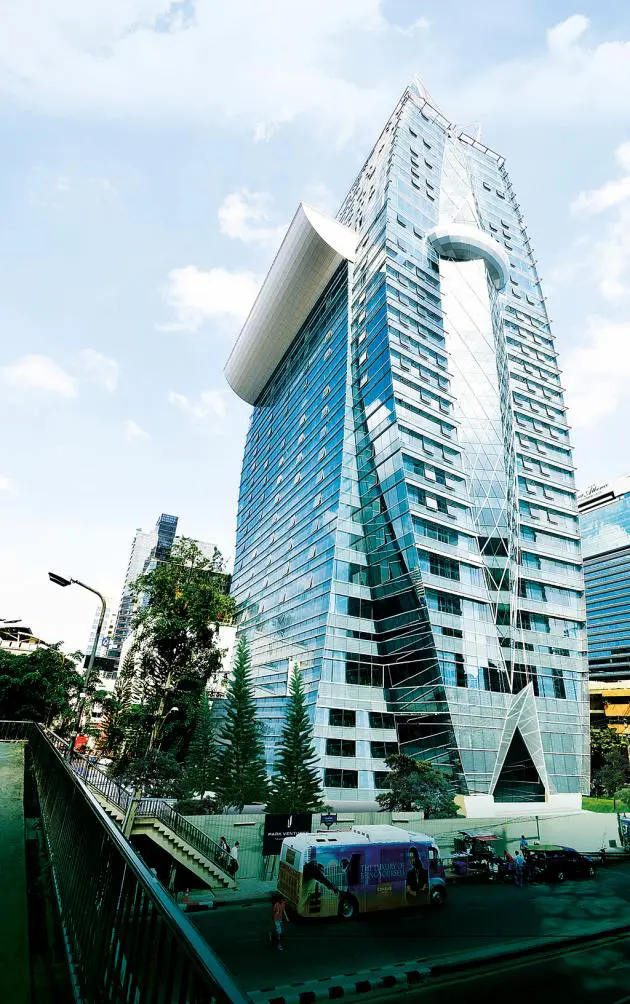
The Address Chidlom, which had a pre-sale price of Bt102,000 per square metre in 2007, is now offering a resale price of Bt120,000 and Bt130,000 per square metre, up 18 per cent. The Park Chidlom, which had a presale price in the range of Bt95,000 to Bt110,000 per square metre has a resale price of Bt140,000 to Bt160,000 per square metre, up 45 per cent.
The Met on Sathorn Road has gone up by 9 per cent, from the average price of Bt128,000 per square metre to Bt140,000 per square metre.
Meanwhile, the prices of condominium projects that earlier offered pre-sale price below Bt100,000 per square metre have now shot up to the six-figure mark. The Alcove Thonglor on Soi 10 had a pre-sale price of Bt87,000 per square metre but now offers a resale price of Bt115,000 per square metre, up 32 per cent. Baan Sirirudee at Soi Rumrudee had a presale price of Bt85,000 to Bt110,000 per square metre, depending on the floor. The resale price of this project is now between Bt100,000 and Bt130,000 per square metre, up 18 per cent.
Condo One X on Sukhumvit Soi 26 had a presale price of Bt72,000 to Bt90,000 per square metre but now has a resale price of Bt86,000 to Bt120,000 per square metre, up 19 per cent.
Meanwhile, the resale price of condominium projects at tourist destinations such as Hua Hin and Pattaya are also rising, between 10 and 20 per cent. This follows the demand to buy a second home by locals after the experience of last year’s floods.
Hua Hin Blue Lagoon had a presale price of Bt46,000 per square metre but now offers a resale price of Bt59,333 per square metre, up 27 per cent. Zire Wong Amart offered a pre-sale price of Bt94,400 per square metre but the resale price has gone up to Bt112,000 per square metre, up 18 per cent.
Pumipat Sinacharoen, managing director of Bangkok City Smart Co, a residential-property agency, said the resale price of condominiums located close to the mass transit system have strong potential for growth.
“Although resale prices have risen by 10-20 per cent, new condominium projects under construction are priced about 20 per cent higher than resale residences. That’s why the demand to buy resale condominium is showing strong growth,” he said.
He added that demand for condos had grown much higher than that for low-rise residences this year because the purpose of the purchase has changed from buying for investment or speculation to having a back-up in case of calamities like the floods that hit their homes last year.
“Most of those now buying a condo, whether a new one or a resale unit, need a property to be their second home,” Pumipat said.
However, the demand for low-rise residences such as detached homes, townhouses and duplexes will continue growing this year, especially in locations that are not prone to flooding, he said.
