
Climate domino — UNICEF warns children face overlapping disasters
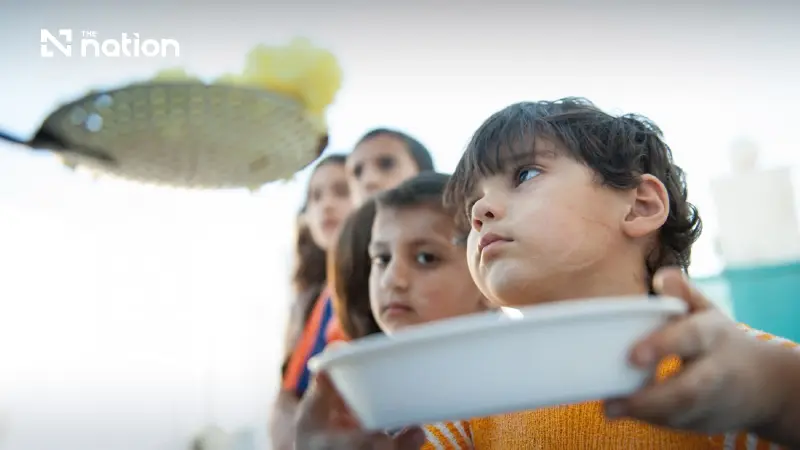


UNICEF’s 2026 report warns 1.1 billion children face overlapping climate disasters, with Thai children exposed to floods, drought, heat and PM2.5
UNICEF has warned that children in Thailand and around the world are being pushed into a new era of overlapping climate disasters, where drought, heat, floods, fires and toxic air increasingly strike in combination rather than as isolated events.
The warning comes in The Children’s Climate Risk Report 2026, which uses UNICEF’s new Global Child Hazard Database to map where children face multiple climate risks and how those risks intersect with weaknesses in the services children rely on, including health care, clean water, nutrition, education, protection and social support.
The global picture is stark. UNICEF says almost every child in the world is now exposed to at least one climate hazard, while nearly half of all children, around 1.1 billion, are exposed to at least three overlapping climate threats.
More than 4 million children could face as many as six threats at once.
The report looks at eight major climate hazards: coastal floods, drought, extreme heat, fires, heatwaves, riverine floods, sand and dust storms, and tropical storms. It also examines two climate-sensitive health threats: air pollution and vector-borne diseases such as malaria.
UNICEF says drought, extreme heat and heatwaves are the most widespread combination of hazards, affecting more than 296 million children. Another common combination such as drought, extreme heat and tropical storms exposes more than 115 million children worldwide.
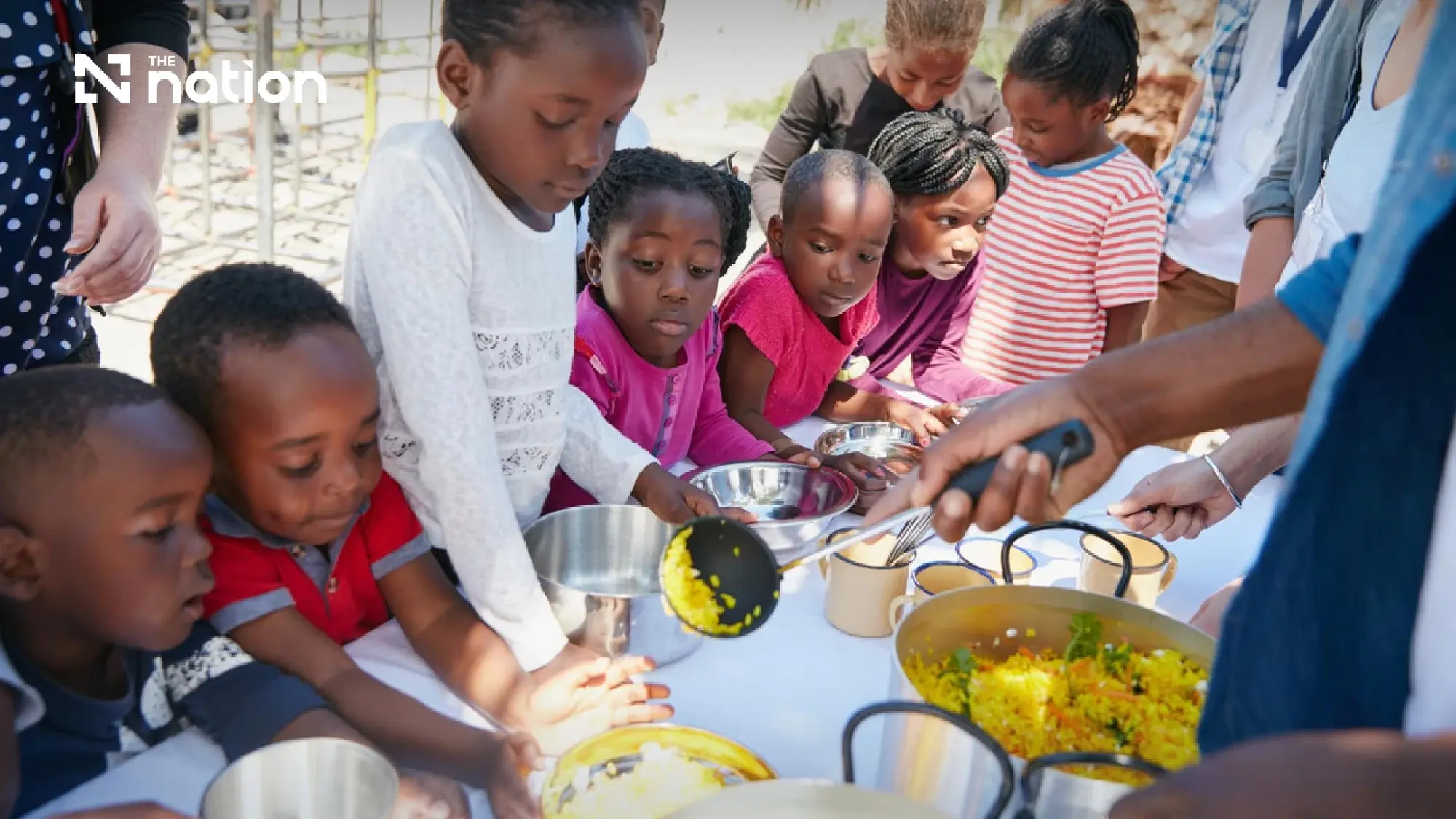

When disaster triggers another disaster
The concern is not only that children face more extreme weather, but that one shock can deepen the next.
A drought can damage crops and push families into food insecurity. Dry vegetation can then become fuel for fires, worsening smoke and air pollution. Heavy rain that follows can fall on damaged land unable to absorb water, increasing the risk of flash floods, damaged homes, closed schools and disease outbreaks.
For children, these cascading disasters can disrupt far more than daily life. They can affect nutrition, learning, physical health, mental well-being and long-term development, especially in communities where families already have limited access to health care, clean water, safe schools or stable income.
UNICEF’s 2026 report says children’s exposure to climate hazards, combined with their physical vulnerability and gaps in essential services, undermines their rights and increases their risk of harm.
Education is already being hit. A UNICEF analysis found that at least 242 million students in 85 countries or territories had their schooling disrupted by extreme climate events in 2024, including heatwaves, tropical cyclones, storms, floods and droughts.
Nutrition is another major concern. UNICEF has warned through its global evidence work on climate and child nutrition that, by 2050, climate change could leave an additional 28 million children suffering from wasting and 40 million affected by stunting globally.
Thailand’s children face floods, drought and toxic air
Thailand is also exposed to this pattern of overlapping risk.
A UNICEF Thailand study conducted with the Thailand Development Research Institute found that children in Thailand are at high risk from climate change and environmental degradation, with floods, drought and high temperatures identified as key hazards affecting their health, development and well-being.
The study found that children in Ubon Ratchathani, Nakhon Ratchasima, Si Sa Ket, Nakhon Si Thammarat and Narathiwat were among those facing the highest risks, reflecting the way climate hazards combine with income, services and local vulnerability.
UNICEF Thailand also warned in 2025 that about 13.6 million children across the country were highly exposed to PM2.5 air pollution, adding that children under five are especially vulnerable because their lungs, bodies and brains are still developing.
Fine-particle pollution can penetrate deep into the lungs and bloodstream, increasing risks linked to asthma, pneumonia and chronic respiratory conditions in children, while long-term exposure is also associated with serious non-communicable diseases later in life.
For Thailand, this means the climate debate is not only about future temperature targets. It is already tied to school closures during pollution episodes, flood-hit classrooms, drought-affected livelihoods and the health risks facing young children in vulnerable households.
UNICEF urges governments to act before risks compound
UNICEF is calling on governments, businesses and other actors to move urgently on three fronts.
First, it says countries must reduce greenhouse-gas emissions and accelerate action under existing international commitments, including a just transition away from fossil fuels and towards renewable energy.
Second, children must be built into climate adaptation and disaster-risk planning. UNICEF says national adaptation plans, preparedness systems and loss-and-damage responses should prioritise resilient social services, including safe and green schools, climate-resilient health facilities, food security, early warning systems, clean water and shock-responsive social protection.
Third, UNICEF says children and young people must be given climate education, practical knowledge and meaningful channels to take part in decisions that affect their lives.
UNICEF Thailand has made similar recommendations, urging child-sensitive climate policies, stronger early warning systems in high-risk communities, better climate knowledge among children and more platforms for young people to participate in climate action.
The cost of delay is rising
The financial challenge is also growing. UNEP’s 2025 Adaptation Gap Report estimates that adaptation finance needs in developing countries could reach US$310 billion a year by 2035, or US$365 billion when based on needs expressed in national climate plans, while international public adaptation finance flows stood at US$26 billion in 2023.
Earlier UNEP estimates also warned that annual adaptation costs in developing countries could reach US$140 billion to US$300 billion by 2030, and US$280 billion to US$500 billion by 2050.
For UNICEF, those figures are not abstract climate-finance numbers. They represent the cost of keeping schools open, health systems functioning, water supplies safe and children protected when disasters overlap.
The message of the 2026 report is clear: children are not just future victims of the climate crisis. They are already living with it.
For Thailand and other countries, the next test is whether climate planning can move fast enough and become child-focused enough before today’s overlapping hazards harden into a permanent disadvantage for the next generation.
