
Creatures of the deep


Play
We take a look at the five best dive sites in Komodo
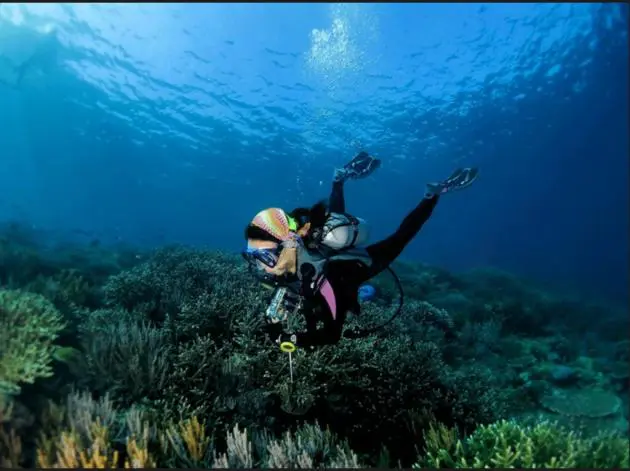
Choosing the best dive site in Indonesia's Komodo National Park is not easy, as a dive site's beauty is truly in the eye of the diver. Some divers prefer colourful soft coral, some like to take macro photography and others just love the feeling of being surrounded by undersea giants. Thankfully, with its 42 dive sites, the Komodo National Park has these features. We look at the five that best represent the appetites of most divers.
Castle Rock
This site is famous for its pelagic creatures, with schools of barracuda and giant trevallies often spotted. Visibility is excellent even at a depth of 20 metres. Numerous sea fans and pygmy seahorses are found at this depth. Do be aware of is the strong current, especially on the surface, which attracts the big fish.
Crystal Rock
The site is located next to Castle Rock on the northern tip of Komodo Island. The current is also strong here but it attracts a lot of schooling fish. Clouds of anthias and schools of yellow ribbon sweetlips are common here. The site is also rich in soft colourful coral. The top of the site is exposed at low tide. It's best to dive during slack tide.
Batu Bolong
Batu Bolong is a tiny rocky island that gets its name from the hold in the middle of the rock. Diving here is only possible at slack tide, when the currents are not too strong. Once you dive into the clear waters, you will see thousands of brilliant reef fish swimming near the colourful coral. Blacktip sharks, napoleon wrasses, sea turtles and large schools of rainbow runners can be observed.
Manta Point
Located in the eastern part of Komodo Island, not far from Batu Bolong, this site is around 20 metres deep with a very strong current. Divers have to drift while holding on to the rock at the bottom of the sea and wait until the action starts. The last time I was here, I saw 12 giant manta rays that seemed to be a big family. While there are no colourful reefs here and the visibility is average, watching these giants of the sea swimming near you certainly takes your breath away.
Wainilu
Located at the exit of Loh Buaya bay on Rinca Island and because it lacks colour, has sandy slopes, lines of mangroves and some broken coral, it may seem like a below-average dive site at first. Explore carefully and at around 15 metres deep, you will find a unique collection of sights that cannot be found in other sites in Komodo. There are lots of small sea creatures here, including nudibranches, frogfishes, ghost pipefishes and pigmy seahorses.
IF YOU GO
Komodo National park is one of the richest marine environments in the world, and one of the most challenging diving destinations popular with scientists, photographers, and sport divers alike.
Labuan Bajo, a seaside town in Flores, is your port of entry. Flores, one of the Lesser Sunda Islands, is a busy bustling epicentre of tourism. It is the launching point for trips to Komodo Island and Rinca Island, home of the famous Komodo dragons.
Dive operators offer a package of scuba diving trips around Komodo National Park.
Labuan Bajo is bridged to Bali by daily flights and ferries. Visit www.Indonesia.travel.
