
Plan to raise alternative energy consumption
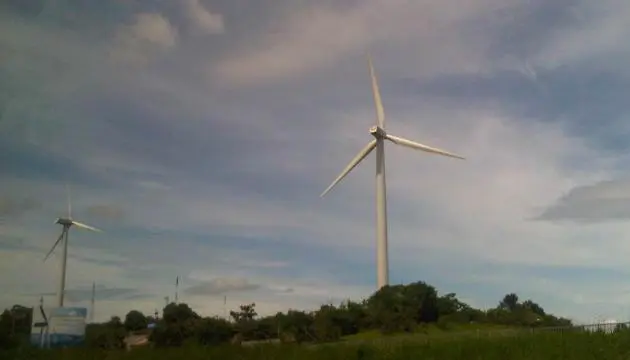


Thailand aims to increase consumption of alternative energy to 25 per cent within 10 years, which would lead to a significant drop in crude-oil imports.
The National Energy Policy Council (NEPC) yesterday approved the new alternative-energy plan. From 2012 to 2021, alternative-energy consumption would be raised from 7,400 kilotonnes of oil or equivalent – the amount of energy released by burning that amount of crude oil – to 25,000ktoe. In electrical energy terms, the consumption would be raised from 86.06 megawatts to 290.75MW, or 25 per cent of total consumption.
The approval of the new plan would supersede two previous alternative-energy plans – the 15-year one in use since 2008, and the 20-year one in use since 2011.
Suthep Liumsirijarern, director-general of the Energy Policy and Planning Office, said higher energy from alter-native sources would help reduce the value of crude-oil imports from between Bt850 billion and Bt900 billion now to Bt574 billion. This would also boost investment in alternative energy by Bt442 billion, reduce carbon emission by 76 million tonnes per annum, and generate Bt23 billion annually from carbon-credit trade.
“Under the new plan, wind-power demand would be raised to 1,200MW, solar power to 2,000MW and biomass to 3,600MW,” he said.
Meanwhile, Energy Minister Pichai Naripthaphan said after the NEPC meeting that from October 1, 2012, the sale of 91-octane petrol would be banned, to promote alternative fuel. He expects the abolition to raise gasohol consumption, and ethanol demand would go up from 1.2 million litres a day to 2 million litres.
The NEPC also approved a cut in free electricity units to poor households from 90 units a month to 50 units. This would reduce the number of eligible households from 7 million to 4.37 million and the annual cost from Bt13.6 billion to Bt3.5 billion. Industries and building owners’ burden for this will be cut sharply from 12 satang per unit to 3 satang.
The council also approved the Energy Ministry’s flood-rehabilitation efforts, which would need funding of Bt10 billion from the Energy Conservation Fund. The fund would be used to assist affected individuals and industries and finance the installation of energy-saving equipment. The fund would outline the assistance measures, which should be implemented in the 2012 fiscal year.
