
Toyota sees output back on track by mid-January
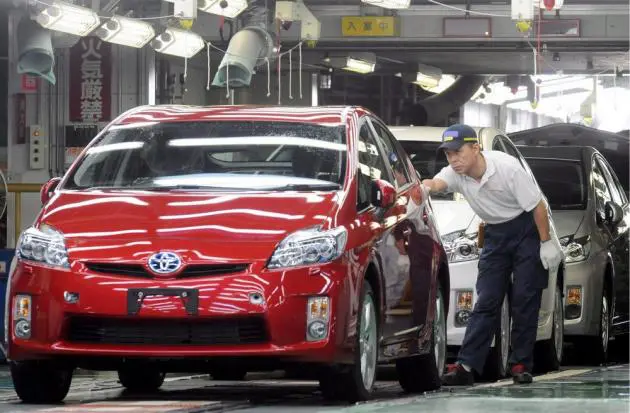


Toyota Motor Thailand expects to resume normal operations in the middle of January after resolving the supplychain disruptions that have so far dented its output by 150,000 units.
The company now has two shifts at its production facilities, said vice chairman Ninnart Chaithirapinyo. He noted that automakers in Thailand were facing insufficient supplies of components and parts.
“For parts that we need to import, we have to use air transport, but cargo capacity cannot cope with that. Meanwhile, though local suppliers have resumed operations, they haven’t yet fully recovered, and this leads to uneven supplies,” he said on the sidelines of a conference on the BOI Fair yesterday.
Referring to a meeting with other members of the Federation of Thai Industries’ Automotive Industry Club on Wednesday, Ninnart said most members were operating at 4050 per cent of normal capacity.
“We expect the industry [as a whole] to resume normal operations in late January or early February at the soonest,” he said.
Toyota’s three assembly plants were spared flooding, but suffer from supply-chain disruptions. Ninnart said the company’s morale remained high, though, thanks mainly to the encouragement of Toyota Motor Corp Japan president Akio Toyoda. When he was here and when he attended the Toyota executive conference in the United States, he said: “We won’t give up on Thailand.” The message is encouraging, Ninnart said.
While the plants’ operations were suspended for nearly a month, Toyota has maintained full pay for all employees. Toyota workers also volunteered to help flood victims during the crisis.
They were paid one month of bonus in advance. Affected employees also won Bt10,000 aid, aside from zero-rate loans upto Bt50,000 for house repair.
