
Yuan settlements to expand: BOT
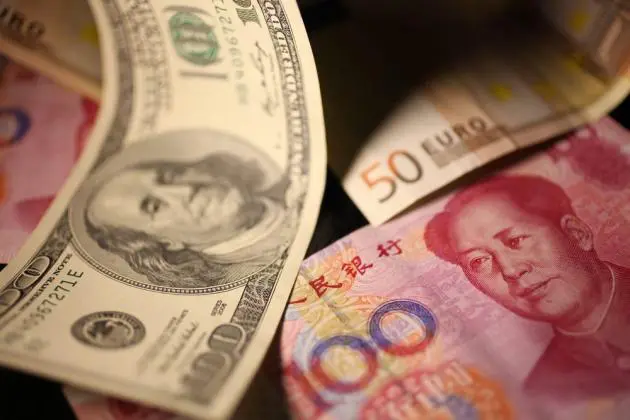


The Bank of Thailand projects growth in Thai-Chinese bilateral trade following the three-year 70-billion-yuan (Bt320 billion) swap contract which allows settlements of imports and exports in the Chinese currency.
Deputy Governor Suchada Kirakul said that the contract size is based on the projected demand of yuan in the next five years, based on bilateral trade between the two countries. China has earlier inked similar contracts with Malaysia and Singapore, involving 80 billion yuan and 150 billion, respectively.
Now, more than 90 per cent of Thailand's exports are transacted in US dollars, and that is costly for those who export to China and other Asian markets due to currency volatility.
During the first 10 months, Thailand's export value to China accounted for 11.8 per cent of total exports, while imports at 13.4 per cent. Bilateral trade this year is expected to reach Bt28-Bt30 billion and tends to rise further thanks to the swap contract, Suchada said.
"Since 2009, yuan-denominated settlements have involved only 350 Thai companies. The contract will cover other companies," she said.
Following the contract signing on Dec 22, the Bank of Thailand will open a yuan account in China. Through the acount, Thai banks can withdraw yuan for their clients. The Chinese central bank will also open a baht account in Thailand.
On Dec 19, a direct code for direct baht-yuan exchange is signed by Thailand and the Chinese province of Yunnan.This will reduce the foreign exchange fee, as baht needs not to be exchanged to US dollar and then yuan, or vice versa.
