
Discrepancy concerns Chatu Mongol


Play
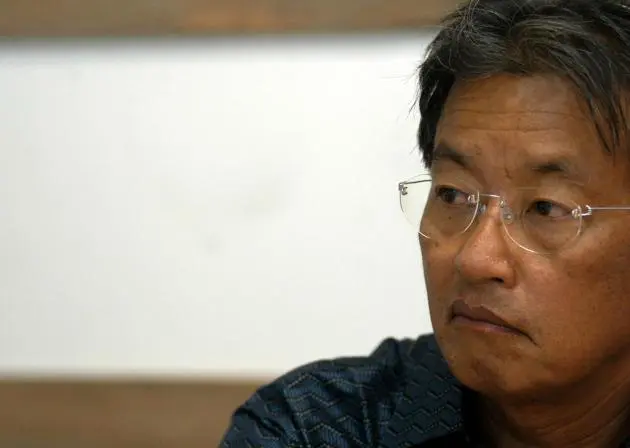
Bank of Thailand Chairman MR Chatu Mongol Sonakul expressed his concern over the poor allocation of resources in the Thai banking industry, in light of the bigger size of state-owned banks.
To him, state-owned banks' larger deposit base would not benefit the country.
"Whatever belongs to the government is not good. W'd better let the private sector handle that under close monitoring and regulation. While commercial banks allocate fund to those with ability to pay, state-owned banks allocate the funds to "someone capable of asking for it". This is dangerous and for some time, it could turn (Thailand) into the socialist or communist economy.
Where extra resources are returned to the government for distribution. In the capitalist world, those with ability would be entitled to that. A big difference here lies in resource allocation," he said.
This is his first comment after the Finance Ministry planned to have the Bank of Thailand resumed responsibility for the Bt1.14 trillion debt of the Financial Institutions Development Fund (FIDF). Under one of the four planned executive degrees, the central bank is also allowed to raise deposit-insurance fee from 0.4 per cent of deposit base upto 1 per cent.
Chatu Mongol added that state-owned banks are now required to submit remittances to the Finance Ministry. The ministry needs to devise solutions to ensure the fair and level-playing field, as state-owned banks now enjoy a bigger size.
"When the size is small, it's OK for them not to pay the deposit fee, as their deposits are guaranteed by the government. Now, they are bigger and enjoy an advantage over commercial banks which must pay fees. We need a balance and we need to see it in detail," said the former central banker.
Though, he is in favour of the idea to switch current fee contribution to the Deposit Protection Agency, at 0.4 per cent of deposits, to cover the interest payment for FIDF debt.
