
Broadcasting watchdog to draw up code of conduct
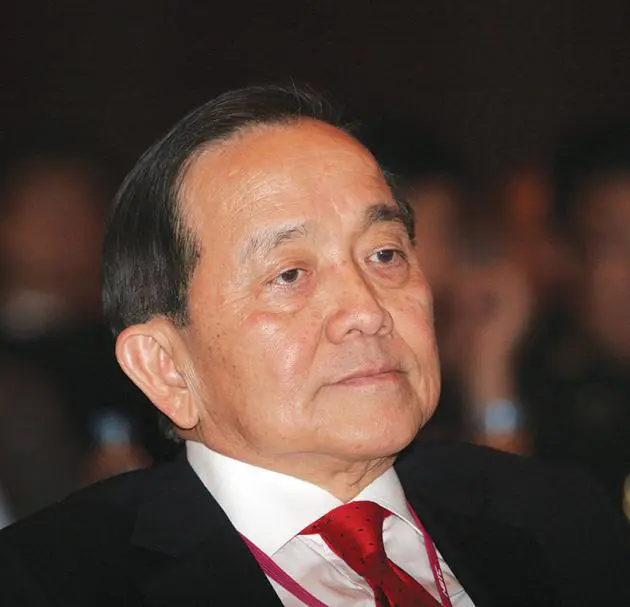


The national broadcasting and telecom watchdog has its hands full with many tough regulatory tasks, but it also has to deal with a new emerging chore - defending its transparency.
ACM Thares Punsri, chairman of the National Broadcasting and Telecommunications Commission (NBTC), said the watchdog would urgently draw up a code of conduct to prevent its 11 commissioners from having any conflict of interest.
He said that since its inception late last year, the regulator had given top priority to finishing key regulations to further liberalise the sector. But now it would give top priority to drawing up the code.
The move follows public criticism over its extravagant spending and controversy over a New Year gift basket given to it by a telecom operator.
"I’m worried that the criticism could affect our moving forward to further open up the sector. What kind of bad karma do we have? Why we face such criticism from time to time," he lamented.
The NBTC hoped to maintain utmost transparency, as it has to regulate vested interests in the telecom and broadcasting sectors, and auction the highly prized telecom and broadcasting spectra.
The gift basket controversy erupted when commissioner Supinya Klangnarong disclosed last week that one cellular operator brought a New Year gift basket containing a Buddha image and iPhone 4s during a New Year greeting visit.
She rejected the offer of the prized device because of concern she risked breaching the anti-corruption law and out of her personal ethic.
When interviewed by Isaranews Agency last week, Advanced Info Service chief executive officer Wichian Mektrakarn said AIS brought the gift baskets to the commissioners but he had no idea whether the baskets contained iPhones.
Thares said he had no knowledge of the gift basket. All commissioners had ethics and judgement, he said, and questioned if it was their fault for not accepting the device and not telling the public that they did not accept the device.
Commissioner Prawit Leesatapornwongsa has added the drawing up of a code of conduct to NBTC’s agenda for its meeting this week. It will be based on rules already drawn up by its predecessor, the National Telecommunications Commission (NTC). The upcoming code is expected to apply to the new body’s secretary-general too, as well as the commissioners.
Previously, NTC commissioners faced occasionally criticism for often taking trips overseas but they argued that those were necessary tour study excursions.
The NBTC was also condemned for extravagant spending and the appointment of many subcommittees. But it says it needs them to handle both broadcasting and telecom affairs.
In an article on ethical standards of state agencies sent to the press last week, scholar Duenden Nikomborirak, from the Thailand Development Research Institute, supported the idea by some NBTC commissioners that the watchdog draw up a code of conduct to ensure transparency.
Duenden, who is also member of NBTC’s 2.1GHz spectrum management subcommittee, said a person she knew once offered to seek a low price for an iPhone 4S for her from that person’s relative, who is an NBTC official. But she rejected the offer, as it was inappropriate to get the device in such a way.
She also pointed out that the National Anti-Corruption Commission (NACC)’s regulations, governing the receipt of assets by state officials had some loopholes.
The regulations did not assess the annual maximum value of offers that officials can accept and do not require them to make a record detailing offers they accept.
The regulations prohibit state officials from receiving assets worth over Bt3,000 from persons who are not relatives. If they accept offers, they are obliged to inform their superiors about such matters.
