
Unfavourable issues hamper investment sentiment
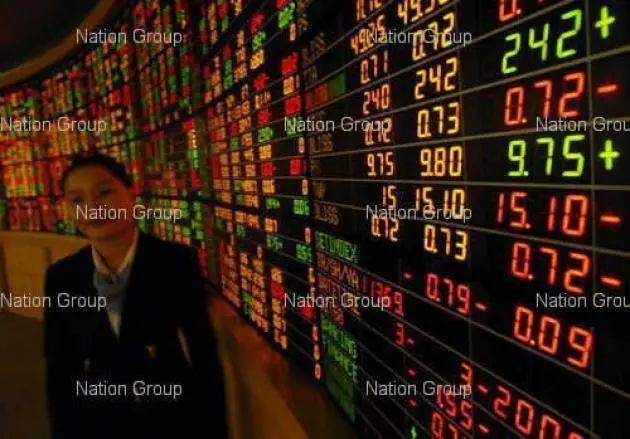


The Stock Exchange of Thailand could not sustain the composite index above 1,200 points, following a minister's expectation of a weaker baht and higher inflation amid signs of political instability.
Though, foreign investors remained net-buyer in the Thai bourse on Thursday, with net purchases of Bt1.3 billion. This increased their year-to-date net-buy positions to Bt74 billion.
The index lost 16.67 points or 1.38 per cent to end the day at 1,191.00 points.
An analyst attributed the fall to a decline in European bourses, following the release of weak manufacturing index in France. Moreover, Deputy Prime Minister and Finance Minister Kittiratt Na-Ranong also told investors in a road show in Hong Kong that the Thai baht tends to weaken against US dollar while inflation tends to rise. "Foreign investors took profit in the afternoon, on fear that they might face foreign exchange loss," he said.
Conflicts on reconciliation process also worried investor, he said.
Kittiratt said in an interview with Bloomberg Television today in Hong Kong that the government would like to see lower interest rates and a weaker currency to help exporters cope with higher energy costs. “So the range of 32 to 34 (per dollar) would be very good.”
“Thailand is similar to other countries suffering from cost-push inflation because of higher energy costs that come out of the tension in the Middle East. If the central bank would agree to let the interest rate down a little bit further, that would be good.”
Bloomberg data showed that the baht declined 0.1 per cent to 30.77 per dollar as of 2:44 pm in Bangkok, after 2.5 per cent appreciation this year.
