
French expert imparts ways to 'highest efficiency '


Play
Sound infrastructure, public awareness, funding 'crucial' in management
Well-planned infrastructure, strong financial support and people’s recognition that they have to pay for water are the key factors to manage water efficiently, a French expert says.
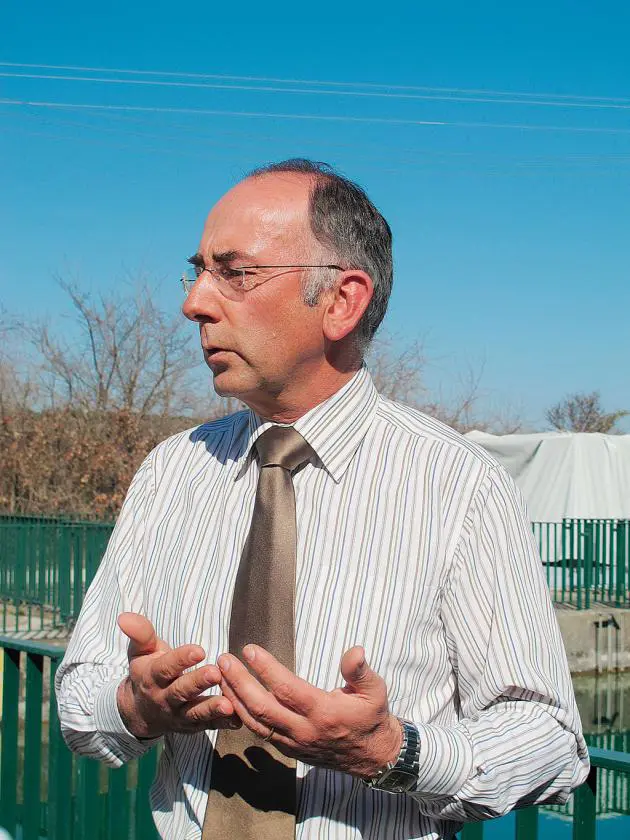
Bruno Grawitz, head of hydraulic infrastructure at SCP (Societe du Canal de Provence), said the engineering firm could draw on more than 50 years of experience in managing the water supply in southeastern France. Water supplied from the Alps is channelled to serve demand in all the main sectors – agricultural, industrial and household.
Each country has unique water-related problems depending on geography and climate zone, he said. Government has to be completely familiar with the country’s geography so that it can design the best water-supply facilities. There is no one-way-fits-all solution for water management.
Managing water for the highest efficiency requires investment in well-planned infrastructure from the natural water source to end-users, strong financial support and people’s awareness of conserving water, Grawitz said.
Infrastructure such as pipes and the whole water management system are the two major facilities that governments around the world have to pay attention to. They cannot use water efficiently without good infrastructure.
Financing is another crucial factor. Without sufficient capital, water-supply facilities cannot be completed.
After the supply system is in place, people have to realise that this is an expensive undertaking.
“Investment in water-supply infrastructure is costly. Governments have to create a system that makes people pay for the water. People will then realise that the supply is not free and they will use water cautiously,” he said.
Grawitz said water management in France was led by the private sector more than the state sector. Initial investment and all water-supply operations are done by private firms. Then they have the right to charge consumers for water use. This system automatically creates recognition among consumers that there is a cost for water usage.
The main challenge for SCP is that the Rhine River flows from the Alps in the eastern part of France to the North Sea in the west without going through the southern part of the country. So the south, which is the agricultural belt of the country, does not have water resources for farming. SCP has to invest a lot to supply water to users. The company has poured ¤2.5 billion (Bt103 billion) into water facilities that can meet the demands of the agricultural sector, industry and households.
All of SCP’s customers have to sign contracts stating the amount of water they will buy and what they have to pay for it. If they use less water than they committed to, they will be obliged to buy less when they renew their contracts. This system helps SCP to manage water for all requirements and consumers to use water efficiently.
Like other countries, France is concerned about climate change, which is the cause of many water-related problems such as drought and floods. That is why the focus on building infrastructure and preparing capital is important, Grawitz said.
“SCP has the principle that we will not waste any drop of water.
The huge investment, price structure and the recognition of people will help us achieve this principle,” he said.
