
SCG Building Materials identifies 5 residential 'types'


Play
Market leader SCG Building Materials has categorised residential styles into five categories in a bid to streamline marketing, product development and production to serve demand, maintain its leading position and build brands in the long term.
Brand director Anuvat Chalermchai said last week that some customers walked into shops under SCG Building’s umbrella without knowing their real needs, leaving sales staff unable to recommend the most suitable products. SCG Building has surveyed market demand for years, but this is the first time the company has delineated specific styles of residence to fit people’s various needs.
“We need to uncover customers’ latent needs, which they may not even be aware of themselves. As the market leader, we have to be at the forefront of this trend and help customers find the best products for them,” he said.
Early last year, around 30 designers from all of SCG Building Materials’ brands, including Cotto, Windsor and Chang, held a workshop to categorise residences into the five styles. A number of global factors, which the company calls “impulses”, were used as the criteria.
Among these are family structure, the ageing society trend, natural disasters, green economy and the technology boom. Designers “decoded” the residential styles from these global trends.
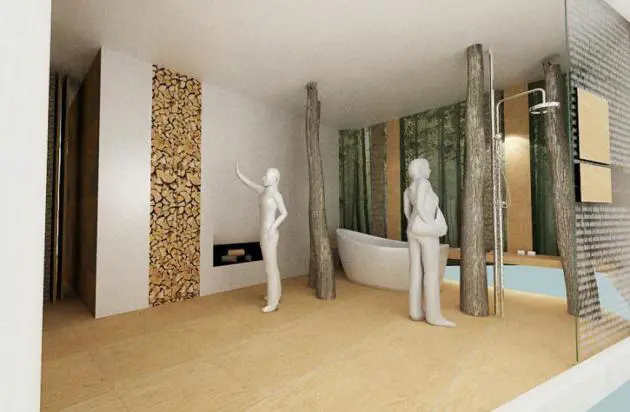
Thaywin Wannabumroong, design director, said a “Crack da Code” questionnaire was drawn up to identify people’s “inner style”. The style that represents most Thai people is “Retreat,” accounting for 34 per cent of the survey participants. People in this group require residences that are easy to keep up and allow for peaceful living at home. The concept of “less is more” is used for this group of people. The colour scheme of the decor relies heavily on earth tones, with material such as wood or rocks used. People in this group like to stay in touch with the environment.
The next most popular trend is “Dynamique”, which represents 27 per cent of Thai people. People in this group require freedom. They love colourful decorations and enjoy throwing parties or staying with friends, rather than isolation. The decor for this group must be colourful with graphic patterns and modern products. “Harmonious” represents people that live in big families. Some 17 per cent of those surveyed are in this group. All decorations and furniture must serve the demands of different generations, ranging from children to seniors, and have a hygienic look.
Thaywin said the fourth group, called “Smart-chic”, encompasses people who are willing to pay more to differentiate themselves from others. People in this group have good taste and clear preferences. They take risks and are ready to pay for quality products. The last group is “Paradox”. People in this group are likely to have contrasting characteristics. It is difficult to understand this type of people, as they are emotional.
The five residence trends will be introduced at the Architect Fair 2012 to be held from April 24-29. Visitors will be asked to take the Crack da Code questionnaire to identify their style. Sales staff then can help them find the best decoration to match their styles, Thaywin said.
Anuvat said this trend was expected to last until next year. Designers are already at work on trends for 2014, as it takes two years for trends to change. The advantage for SCG Building Materials is that it can plan production to serve the larger demand, and design the most required products and decorations.
He added that SCG Building Materials planned to conduct the survey in other Southeast Asian countries in which the company has done marketing. The survey is expected to be conducted soon, but not this year.
“SCG has a major target to be a leading company in this region. This will help the company fulfil that major aim. As a result, we can maintain our leading position, and build our brand image in the long term,” Anuvat said.
