
Plastics chief wants to boost labour skills within region
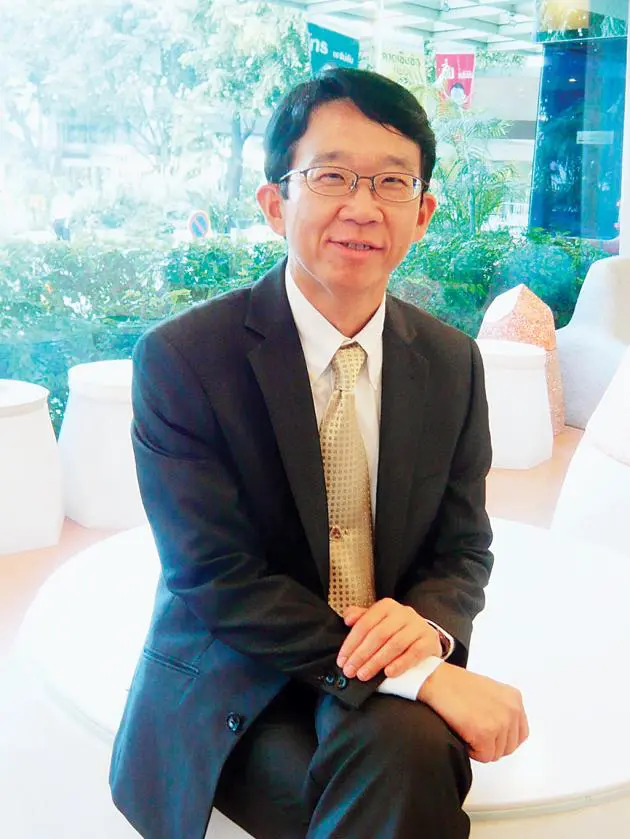


Yuttana Jiamtragan, new president of the Plastic Industry Club under the Federation of Thai Industries, has prioritised promoting high labour standards for the plastic industry at home and abroad in a bid to cope with rising labour costs.
"The Thai plastic industry is the biggest in this region, although Indonesia is growing very fast driven by more than 200 million consumers. We are the leader in this industry. So, the standards we’re creating may be the standards for the plastic industry in this region as well," Yuttana, who is also the managing director of SCG Polyolefins, said recently.
Plastic manufacturers will be taught to replace manual labour with equipment for product loading and unloading in a bid to reduce labour costs and operating losses, he said.
There are some 3,000 manufacturers in the local plastic industry. About 80 per cent of them are SMEs, which do not pay much attention to improving labour skills. Thailand as the leader in the plastic industry in Southeast Asia should act to create skilled labour standards starting at home and then expand these standards to other countries in this region.
As the new president, he vowed to complete the standards during his era. He aims to set skilled labour standards for three groups in the industry – plastic blowing, plastic injection and maintenance. After the standards have been set for these groups, he plans to go deep into the details of each skill of the plastic industry.
The skilled labour standards will also help plastic manufacturers tackle high labour costs by encouraging workers to make high value-added products, and develop the industry as a whole.
He has learned from more than 20 years of experience in the plastic industry that manufacturers still lack the knowhow and good management. They would be educated about managing for the lowest cost and about environmentally friendly production processes in order to create acceptance among consumers. The benchmarks will be explained to these plastic products makers so that they can understand their weaknesses against other countries and improve for the better.
"Regarding the environmental issue, the misunderstanding about using plastic is still stuck in consumers’ minds. In fact, plastic can be used more for commercial purposes. We have to educate manufacturers on how to make plastics for the highest benefit," he said.
The Thai plastic industry generates Bt600 billion per year, accounting for 6 per cent of gross domestic product. SMEs in this industry can maximise their capability to boost the value of this industry.
Fighting against high labour costs was also his mission, even though the plastic industry was not labour-intensive. One way to replace workers with automation is to use product-loading machines such as forklifts. This will not only help reduce personnel costs but also damage during the loading process.
"All strategies can come true in the next few years. We would like to help as many manufacturers as we can. However, the members of the Plastic Industry Club number only 160, which is very small compared with the total of 3,000 makers. If the club can reach more of them, we can help further strengthen this industry," he added.
