
World Bank's continued support for Myanmar


Play
The World Bank will be opening an office in Myanmar in June which will be accompanied by a visit of high-ranking executives, in its move to support reforms for the benefit of people in the country.
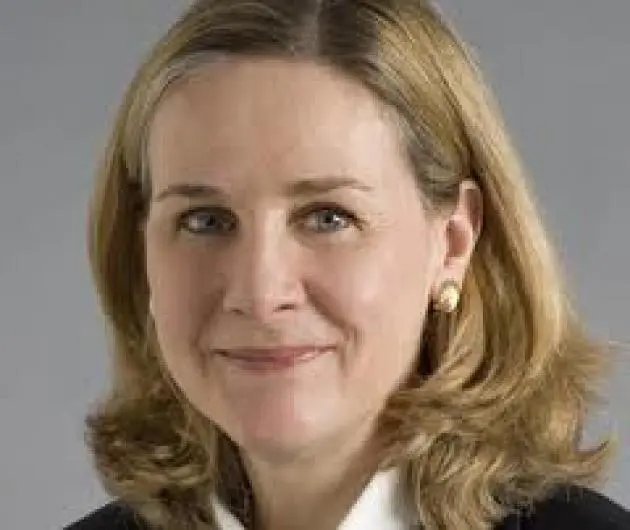
Pamela Cox, World Bank's vice president for East Asia, will lead the delegation. Joining her will be vice presidents of the World Bank's private sector arm, International Finance Corporation (IFC) and insurance arm, MIGA.
"I’ll be travelling to Myanmar to gain a first-hand assessment of the situation," said Cox in a statement released today.
She noted that the World Bank Group is working closely with other donors in this area, including civil society organisations to provide financial support and encourage transparency and accountability. It is also assessing the investment climate to help investors determine their best options for doing business.
"Our primary goal is to help the people of Myanmar. This is a country which has been closed to the outside world for decades – so we’re now preparing a strategy to guide our work with the government to improve services for the people – and assist in tackling the country’s development challenges."
Cox noted that this is a multi-pronged approach – an economic analysis will help provide an understanding of what the people of Myanmar are facing, and how they can best quickly get the benefits of development.
"We’re looking into how to create jobs in the agricultural sector and in small and medium sized enterprises. We’re also looking into people’s access to finance – to help improve the ability of farmers to get credit, so production can be boosted, prices in local markets can go down and farmers in rural areas can earn more income."
Based on its analytical work, such as the recent World Development Report on fragile and conflict affected states, the World Bank also aims to create opportunities for people in the ceasefire areas in ethnic states. One of the key messages from the report was that it’s important to generate real economic benefits for all people in the wake of conflict to increase prospects for peace.
"We recognise that reforms are fragile and we are well aware of the risks. The speed of our engagement in Myanmar will depend on whether reforms can be sustained," she concluded.
