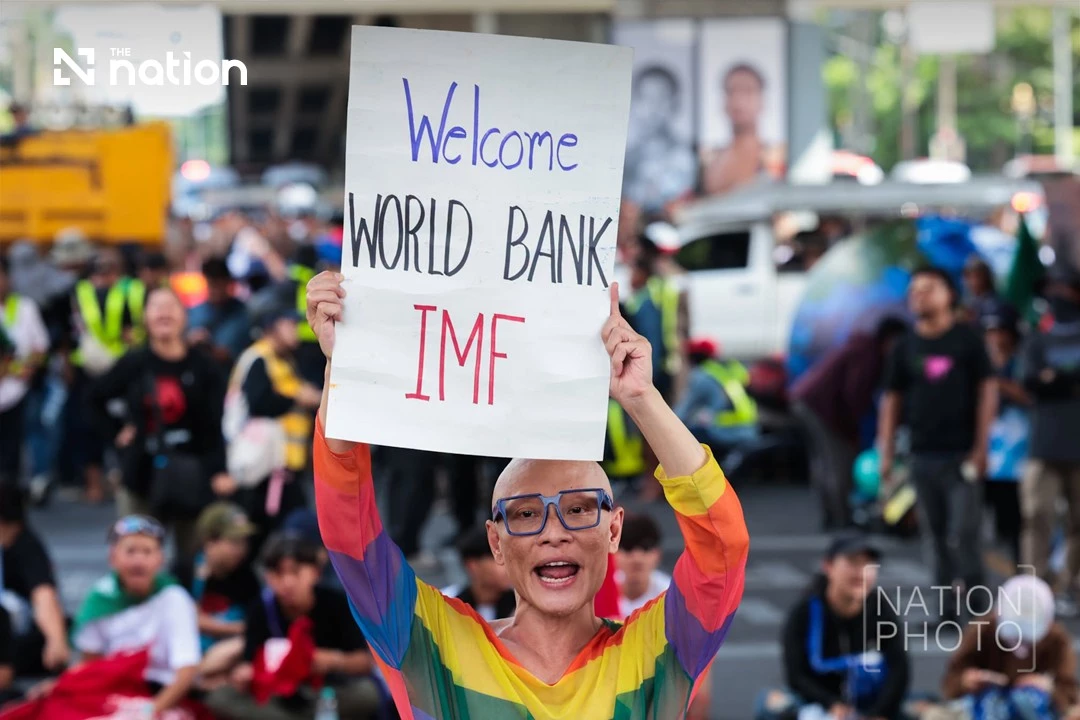
Anti-IMF protesters plan two-day Bangkok sit-in for policy transparency on October 15–16
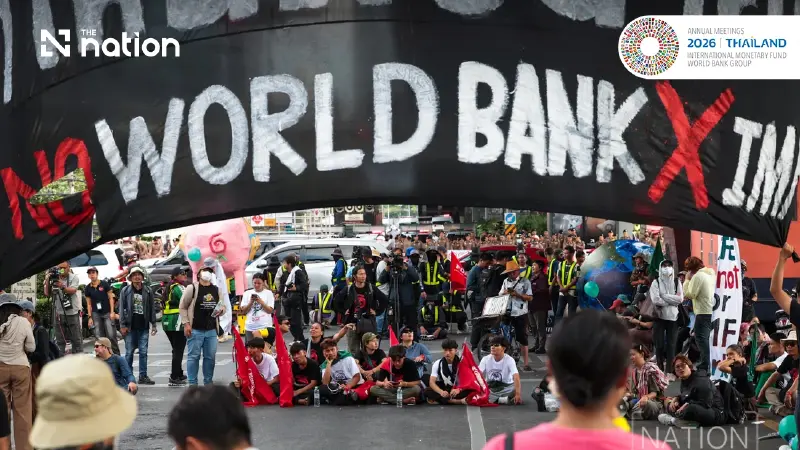


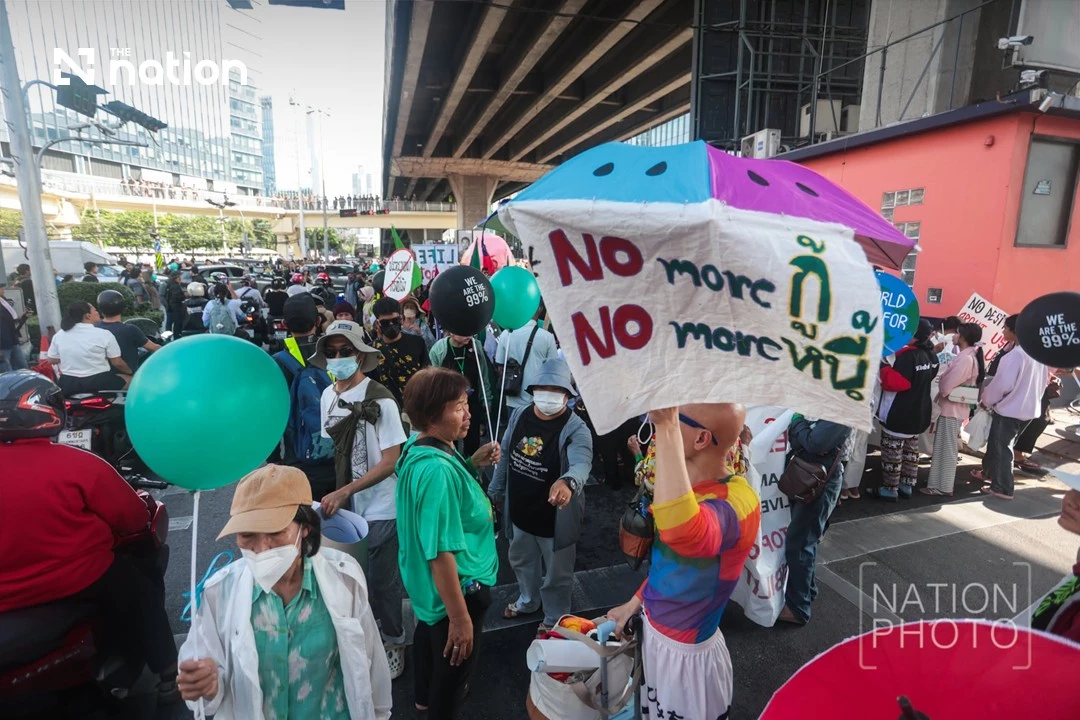
Protesters on Bangkok’s Ratchadapisek Road demand transparent policies and a public say in development decisions involving the World Bank and IMF.
- Anti-IMF protesters, organized by the People’s Network, are holding a two-day sit-in protest in Bangkok from October 15-16.
- The primary demand of the protest is for transparent government policymaking and public participation in discussions with the IMF and World Bank.
- Protesters argue that the talks are not just about loans but determine the fundamental direction of Thailand's national development, which affects citizens' rights and welfare.
- The sit-in is taking place on Ratchadapisek Road after police blocked the demonstrators' route to the official meeting venue at the Queen Sirikit National Convention Center.
The People’s Network Against the World Bank and International Monetary Fund (IMF) vowed on Thursday (October 15) to stay overnight on Bangkok’s Ratchadapisek Road and demanded transparent government policymaking. The network argued that talks with the two institutions go beyond borrowing to determine the structure and direction of Thailand’s development, making public participation essential.
Organisers of the Ratchadapisek Road protest planned to remain until 7pm on October 16. Demonstrators had settled on the road after police blocked their route to the World Bank and IMF annual meetings at the Queen Sirikit National Convention Center.
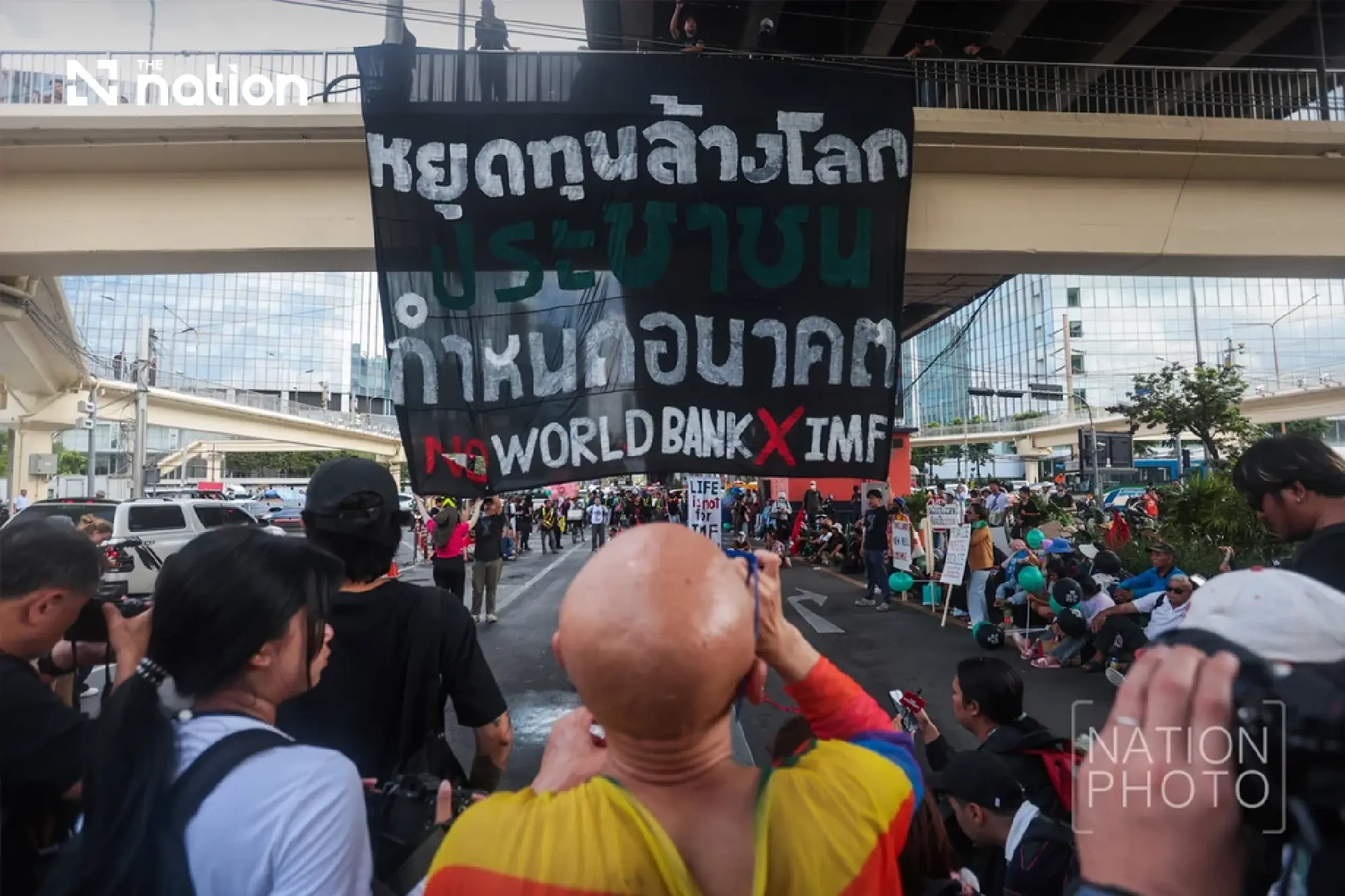

Protest network demands transparent development rules
Supaporn Malailoy, a representative of the People’s Network Against the World Bank and IMF, called on the government to establish clear rules for development policy and explain how the public would participate in setting the country’s direction.
Supaporn argued that international agreements and commitments to business interests should not result in reduced welfare rights, weaker environmental safeguards or violations of people’s rights.
Negotiations involving the Thai government, World Bank and IMF were about the structure and direction of national development, rather than simply obtaining loans, Supaporn said. The public had been excluded from setting those priorities, she argued, warning that the resulting decisions would affect communities in the future.
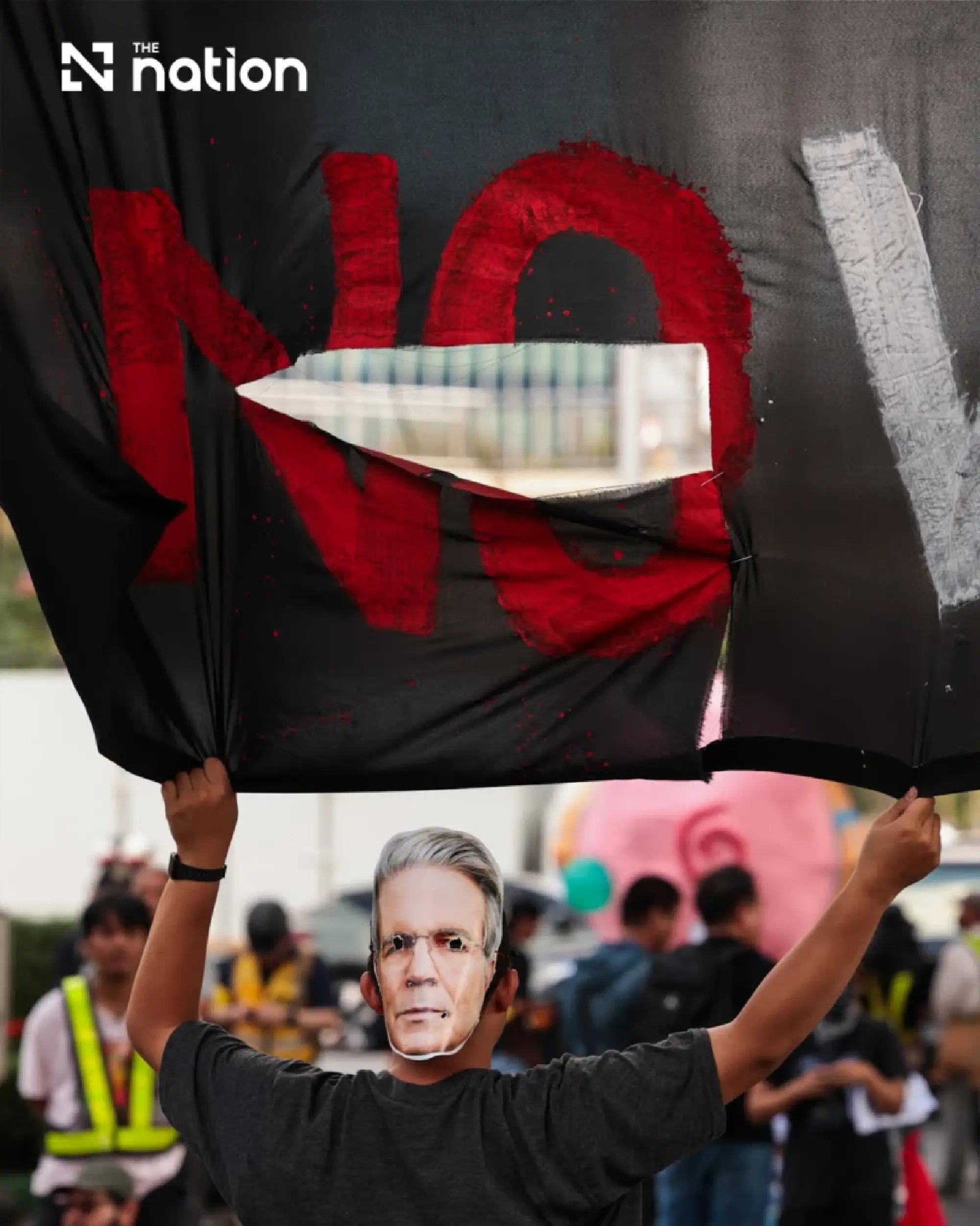

Supaporn questions civil society access to World Bank and IMF talks
Supaporn challenged the claim that the meetings were open to civil society, arguing that participation remained subject to rules set by the government, World Bank and IMF. That approach allowed the organisers to select which public voices would be heard, she said.
Supaporn said demonstrators had not come to submit a petition, but to communicate public concerns and demands to the government, World Bank and IMF. The protest was organised with the NGO Coordinating Committee on Development.
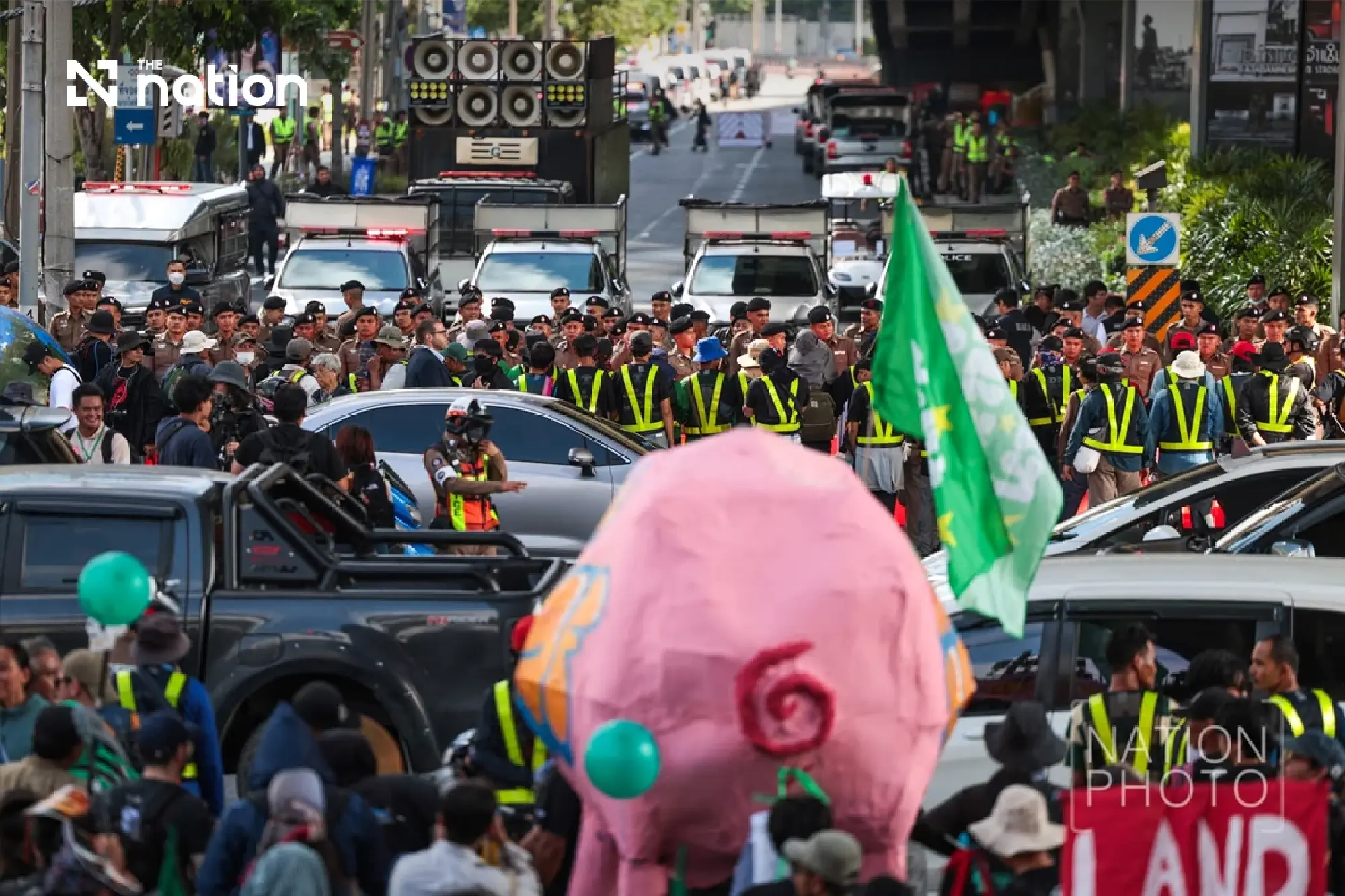

Police block protesters’ route at Rama IV Intersection
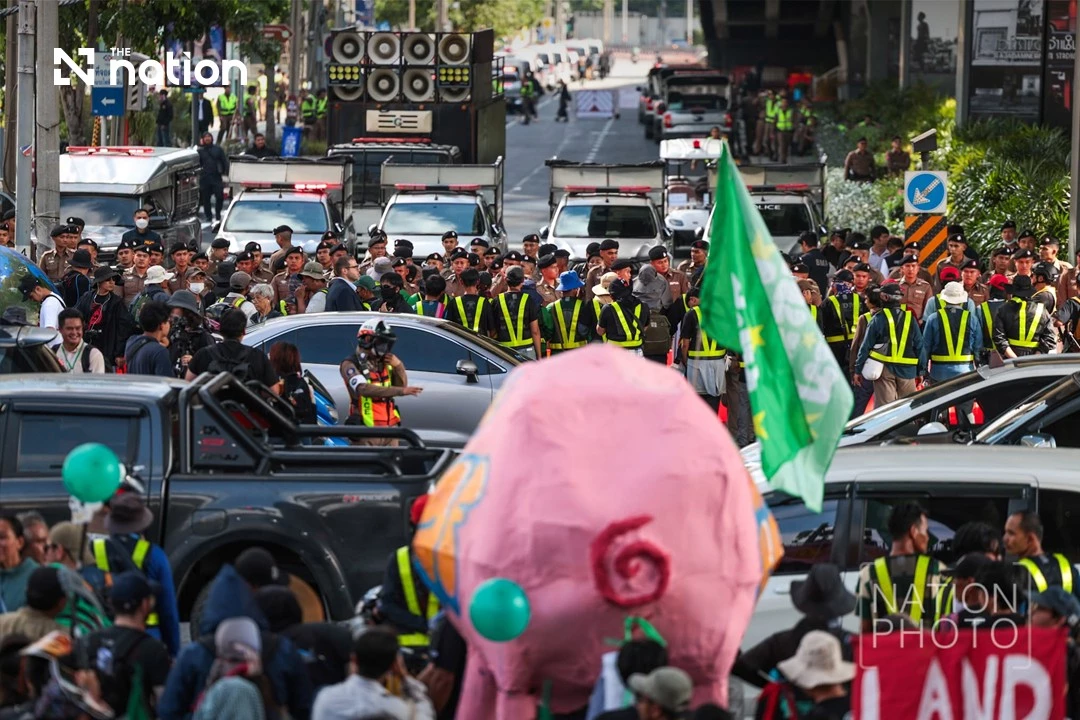
Bangkok demonstrators approaching Rama IV Intersection via Tha Ruea and Na Ranong roads were stopped by police lines, metal fencing and barricades as they tried to reach the Queen Sirikit National Convention Center. Attempts to negotiate access failed, and protesters moved back to Ratchadapisek Road after the standoff disrupted traffic.
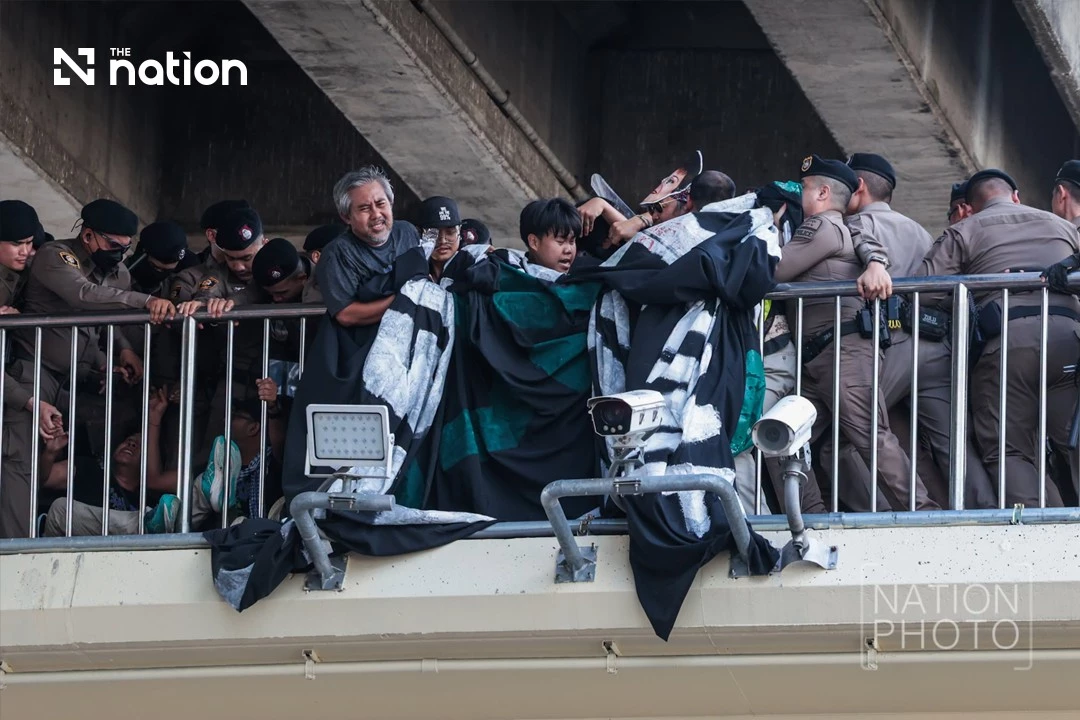
Police and protesters also engaged in brief pushing and pulling on a pedestrian footbridge at Rama IV Intersection as demonstrators attempted a symbolic protest. Officers allowed the activity to proceed after about five minutes to reduce the risk of violence.
Bangkok metropolitan police and several companies of crowd-control officers were deployed to protect meeting participants, maintain public order and manage traffic around the protest.
Supaporn said the People’s Network Against the World Bank and IMF would monitor the discussions and their impact on the public. Scrutiny of the outcomes and further opposition would continue after the meetings, she added.