
Coal and nuclear options still on the table despite focus on alternative energy: Arak
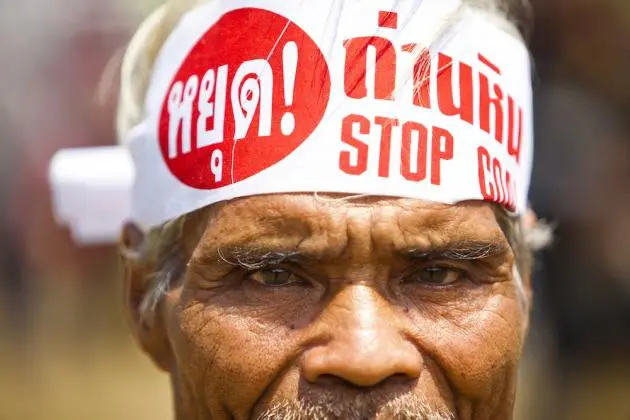


Coal and nuclear energy remain on the government's list of potential fuels for electricity generation, even though the Energy Ministry aims to boost the proportion of power from alternative-energy sources from the current 11 per cent to at least 25 per c
Energy Minister Arak Chonlatanon said after site visits to the Commonwealth Scientific and Industrial Research Organisation (CSIRO), an Australian national science agency, in Newcastle and Brisbane last week that the ministry was exploring further options to produce more electricity from alternative energy.
New options are essential given that natural gas, which accounts for about 70 per cent of the fuel used in the Kingdom’s electricity generation, is not an inexhaustible source, he said.
Renewable energy will ensure sustainable energy when natural-gas supply from the Gulf of Thailand is depleted within an estimated 15 to 20 years, he said, adding that current alternative-energy efforts are focused on solar, wind and water.
Coal is the country’s next largest contributor to power production, at 20 per cent, with the remaining 10 per cent coming from alternative technology such as solar and water. About six per cent of the latter element is alternative technology bought from neighbouring countries.
However, alternative energy is still hugely more costly to produce than conventional energy, the minister said.
For example, the cost of producing electricity from natural gas is Bt3 per unit, while the cost of doing so from alternative energy sources such as solar cells is between Bt8 and Bt10.
This means it is crucial for the ministry to find lower-cost technology for alternative energy in order to ensure sustainable power that can support economy growth, he added.
Coal ‘still a good choice’
Arak said that in his view, the increased use of coal for electricity generation should also be studied, because it remains cheaper than other non-natural-gas sources and its supply is expected to last 200 years.
He acknowledged that most Thais remained concerned about the environmental impacts of using coal, following the bad experience over the years at the Mae Moh coal-fired power plant in Lamphun.
He said the plant had been using old technology dating back to when the facility commenced operations in 1975. However, it has since developed and started using technology that is far more friendly to the environment, Arak said.
He said clean technology – called the "coal green energy system" in some countries – was now available. Compared to the technology used 20 years ago, it marks a sharp improvement in terms of environmental impact.
The minister cited the research by CSIRO in Brisbane into how to run a clean coal-based power plant by reducing the effects of carbon-dioxide emission through a reduction in the toxins created in the production process. The research also aims to reduce the level of CO2 emitted, as well as to reuse CO2 to cultivate the production of algae.
Arak said the technology was out there for a wide range of alternative-energy sources, but it depended on the cost the country wanted to pay.
Despite Japan’s nuclear disaster last year, the ministry has not yet totally ruled out the possibility of setting up a nuclear power plant in Thailand, he said, adding that the study was now focused on safety measures.
"This remains a choice, but it may not materialise [say, in the next 10 years]. It all depends on the technology and public acceptance," he said.
Electricity Generating Authority of Thailand (Egat) governor Sutat Patmasiriwat said that under the power development plan, nationwide demand over the next 10 years could be satisfied.
This is based on an estimate that power demand will rise by 5 per cent on average per annum during the period, in line with annual economic growth of 4-5 per cent.
Meanwhile, Egat has a policy to find new fuel resources – both conventional and alternative – with the priority concern being the cost and Thai people’s disposable income, he said.
