
Foreigners resume buying after days of selling on Euro woes
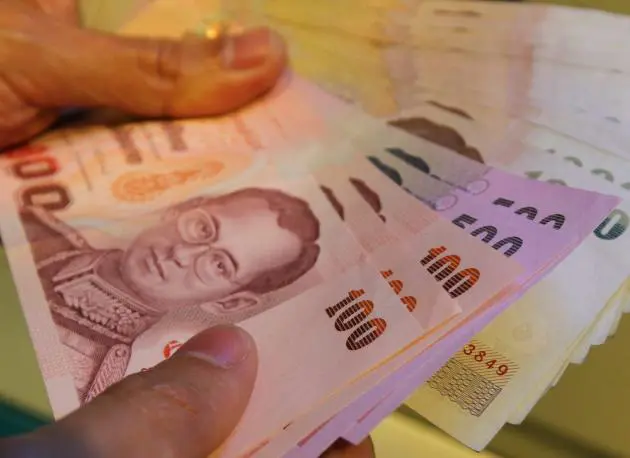


Foreign investors have returned to the Thai stock market after days of disposals on euro-zone concerns, though their appetite remained low-key.
Yesterday, their buys outpaced sales by Bt390.06 million. Month to date, they have accrued a net-sell position of Bt5.59 billion, but year to date, they have built up their position with net-buys of Bt78.36 billion, according to Stock Exchange of Thailand (SET) data.
Despite their reappearance, the stock market remained dull. The SET Index swung widely yesterday, from a peak of 1,201.23 to a low of 1,159.23 points. The SET ended the day in negative territory, losing 25.50, or 2.14 per cent, at 1,165.51 on turnover of Bt33.41 billion.
Tisco Securities sees the SET’s resistance level at 1,200-1,205 and support level at 1,180-1,185.
Greece’s possible exit from the single European currency, countering China’s efforts to shore up its economic growth by cutting banks’ reserve requirement ratio (RRR) by 0.5 percentage point, was cited as the main reason for the stock market’s 2.1-per-cent slide to 1,165.51, the biggest since October 20, according to Bloomberg.
Asian stock markets also slumped amid fears over political uncertainty in Europe. Hong Kong’s Hang Seng Index dipped 1.15 per cent, the Shanghai Composite Index fell 0.60 per cent and Singapore’s Straits Times Index retreated 0.7 per cent.
US stock futures dropped in Sunday night trading, indicating that the Standard and Poor’s 500 Index would extend a two-month low. S&P 500 futures expiring in June declined 0.8 per cent at 7:33am in New York. Dow Jones Industrial Average futures slid 0.7 per cent.
European stocks fell and the euro weakened to a three-month low. Germany’s DAX Index tumbled 2.1 per cent at 12:51pm in Frankfurt. The Swiss Market Index fell 1.36 per cent during midday trading in Zurich. Greece’s ASE Index dropped 4.2 per cent at 1:14pm in Athens.
Speculation was growing in markets that Greece would exit the 17-nation currency union as the political impasse in Athens following inconclusive elections entered a second week, according to Bloomberg.
That moved Greece closer to a new vote, with at least five European central bankers discussing the possibility of the once-taboo topic of Greek departure from the euro and how to handle the fallout, Bloomberg said.
Markets have suffered heavy selling pressure after pro-austerity parties were kicked out of government in France and Greece on May 6 in a backlash against the swingeing cuts put in place as part of moves to balance budgets. The Bank of Thailand conceded that the risk from the European crisis has heightened and that could affect the money markets first.
Songtum Pinto, director for the Macroeconomic Analysis Office, said the central bank has assessed the Greek crisis and believes it might not end quickly, as the country’s economic problems were structural in nature.
However, the increased European risk was already expected, he said, noting the concern over Spain. Spain’s economic structure, with relatively much lower public debt, is different from Greece’s. Spain’s difficulties now came from the US economic problems, he added.
