
PPP schemes needed to draw in investments
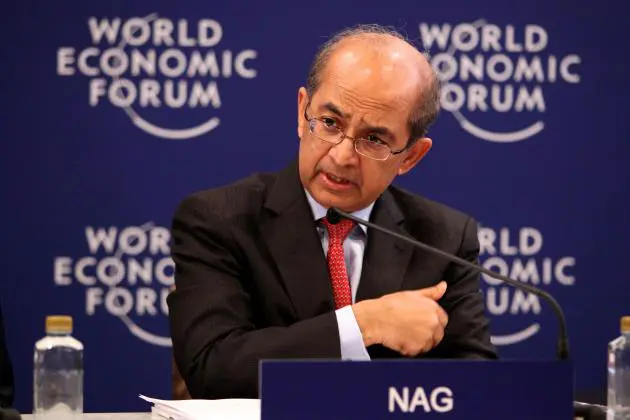


The trillions of dollars needed to fund infrastructure projects in Asia would come if countries put in place good public-private partnership (PPP) schemes, experts said.
They also said building consensus, clear risk sharing, and consistency of government policies were keys for successful investment in infrastructure mega-projects.
“Civil society’s involvement is very critical, because civil society would make sure that we don’t miss something important. It is easier to fix a problem before it becomes a problem,” Rajat Nag, managing director-general of the Asian Development Bank (ADB), said in Bangkok at last week’s World Economic Forum on East Asia.
He cited an example of building a dam but later finding out that the project wiped out fish populations and people downstream had no income from selling fish – an insoluble problem. However, if stakeholders know in advance the impact on fish, they can build fish ladders at the dam, so the problem does not arise.
Civil groups should be involved in all processes of such mega-projects, he suggested.
Another issue involved parties must be careful with is a huge mismatch of expectations between governments and investors, Nag said.
While governments expect the private sector to provide funding for infrastructure projects, the private sector wants to know about returns, predictability and risks before putting their money in.
“Government wants the private sector to take more of the risks but the private sector wants government to take more risks,” he said.
The demand for infrastructure investment in Asia amounts to about US$8 trillion (Bt250 trillion) over the next 10 years. This money can come from within and outside the region but only with good PPP frameworks in place, he said. Even more important is a dispute-resolution mechanism.
Aswin Kongsiri, chairman of Ch Karnchang, said inconsistent government policies had a negative impact on mega-project investment. He lamented the frequent changes of Thai governments or ministers leading to policy changes as well.
He also said investors often ran short of funding during feasibility studies. Lenders were not willing to put up money when they did not know whether the project would get off the ground. Therefore, initial funding should come from international financial institutions such as the ADB, he said.
Aswin said his company was still waiting for the decision of the Laotian government allowing it to build the controversial Xayaburi Dam on the Mekong River. The Vietnamese and Cambodian governments and civic groups in Thailand have strongly opposed the project over environmental concerns.
