
THAI shareholders seek SEC's help
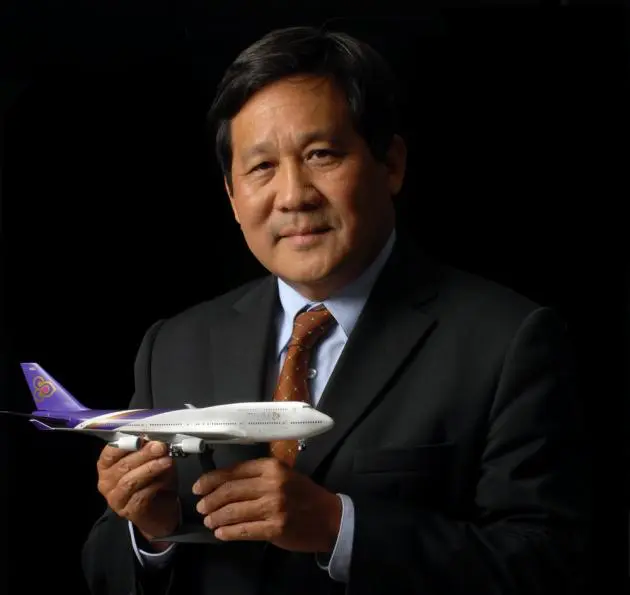


Thai Airways International's small shareholders today submitted a petition to the Securities and Exchange Commission, asking for the watchdog's investigation into the recent dismissal of former president Piyasvasti Amranand.
Led by Monchai Rabruenthaweesuk, some 15 small shareholders requested the investigation into two issues: information disclosure and scope of responsibility of the board of directors, according to a report on Matichon Online.
The shareholders said that THAI may have violated the Securities and Exchange Act's Article 56, without clarity over the premature termination of Piyasvasti's employment contract. They claimed that the information available now is insufficient for shareholders.
On the board of directors' responsibility, the shareholders believed that the board demonstrated no responsibility as required by the Article 89/7, as the dismissal caused damage to the company and shareholders. Backing up this is the fact that THAI share price fell from Bt23.10 on May 18 to Bt20.20 on May 23.The board announced the contract termination on May 21. They were also concerned over THAI's cost cutting measures which partially contributed to the first-quarter net profit, as employees seek for a revision as Piyasvasti left office. Last, they also expressed concern over Skytrak's postponement of the upgrade of THAI's status in the global airline industry following Piyasvasti's dismissal.
He said that the board insufficiently supported its decision.
"As a shareholder, THAI as a listed company and a state enterprise should demonstrate responsibility to society and shareholders. The management should not be under political influence, as this runs against the good corporate governance principles and affects the company's image. THAI directors should follow the Cabinet's July 21, 2009 resolution on state enterprise policies and the code of conduct for listed companies' directors, not to fall under political influence," Monchai said.
