
Thailand's banking system outlook stable: Moody's
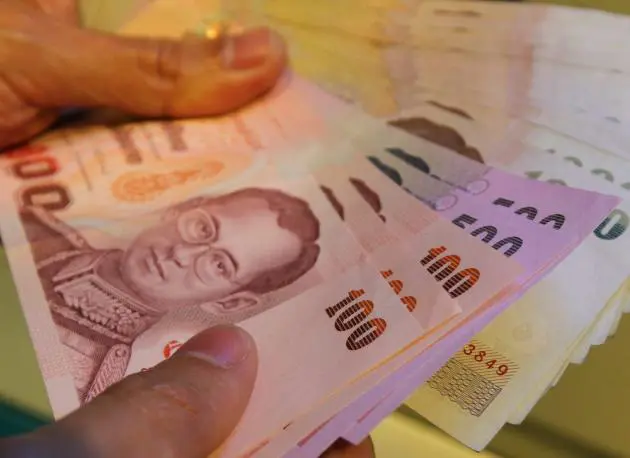


Thailand's banking system will remain stable over the next 12 to 18 months thanks to the post-flood economic recovery, according to Moody's Investors Service.
"The stable outlook is underpinned by our view that reconstruction and inventory replenishment activities will generate the rebound as firms normalise production and the government implements programmes introduced after last year's massive floods," said Karolyn Seet, a Moody's Assistant Vice President and Analyst.
Seet was speaking on the release of Moody's latest outlook on Thailand's banking system which is based on the central scenario that Thailand's economy will grow by 5 per cent in 2012, and 5.6 per cent in 2013, up from 0.1 per cent for the whole of 2011.
Moody's expects annual loan growth of 5 per cent-10 per cent - with the infrastructure and manufacturing sectors accounting for the bulk of the new loans - versus 15 per cent a year ago.
And Thai banks have the financial flexibility to withstand a substantial deterioration in asset quality, according to Moody's stress tests.
Under Moody's adverse scenario, in which non-performing loans (NPLs) reach an average of 10 per cent throughout their loan books, the capital levels of all Moody's-rated banks will remain within a 7 per cent-16 per cent range.
"It would take our highly adverse scenario, with average NPLs of 20 per cent, to cause Tier 1 ratios to erode to levels that would require some banks to raise capital by Basel II standards," says Seet.
The banking system's overall funding and liquidity profile is also stable, with liquid assets accounting for 30 per cent of total assets, while customer deposits make up 75 per cent of total funding, however the system's headline average loan-to-deposit ratio was relatively high, at 122 per cent at end-2011.
Moody's does not expect any material change in the banks' dependence on the capital markets.
However, the significant foreign currency reserves accumulated at the central bank, which serve as a buffer against the risk of an external liquidity crisis, will ensure their continued access to US dollars in extreme conditions.
And despite the floods, the profitability of Thai banks will stay strong on the back of solid loan growth.
"We expect net interest margins to be somewhat under pressure owing to the competition for deposits, which may increase interest expenses," said Seet.
