
Indorama has great aspirations, says CEO
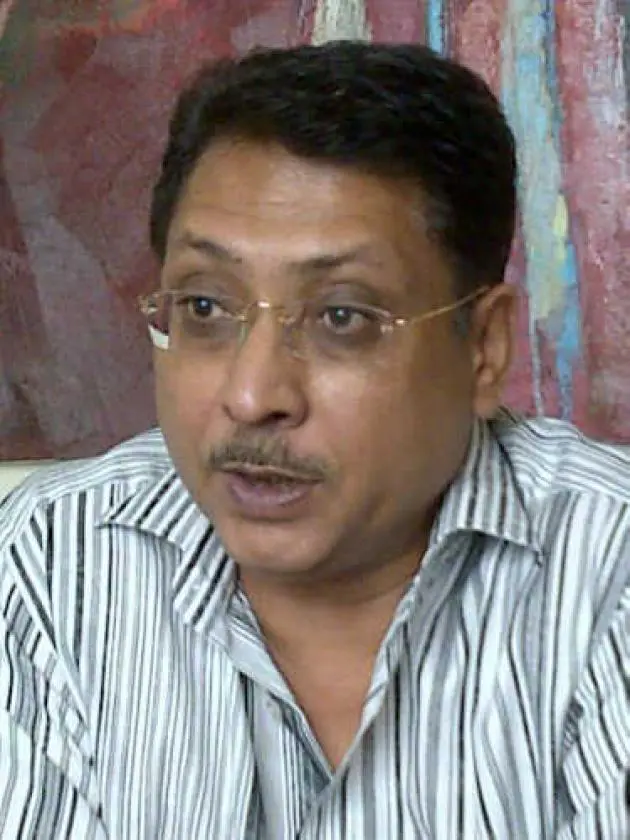


Aloke Lohia, chief executive officer of Bangkok-based Indorama Ventures, one of the SET-50 companies on the Stock Exchange of Thailand, talks to Nophakhun Limsamarnphun about IVL's ambitious business plan towards 2014.
What is your vision for IVL in the "Aspiration 2014" plan?
IVL started out with 10 ventures a few years ago. Now we have 39 ventures in 15 countries around the world. We’re on track in terms of the company’s so-called Aspiration 2014, so earlier this year I said we would slow down in new M&As [mergers and acquisitions].
Now we also have the platform for R&D [research and development] and innovation, as 7 per cent of our sales now comes from speciality products. We’re Europe’s largest recycling company and also investing in Nakhon Pathom and Rayong provinces to get into the recycling and high-value speciality businesses.
IVL held a big conference of top executives in Warsaw last week. What was on the agenda?
We do this annually, as we have three main businesses – PET [polyethylene terephthalate], polyesters and feedstock. We got about 100 top people in the PET business in Poland. We chose Poland because we acquired a PET factory there early last year at a 30-per-cent discount to its replacement value and turned it around.
It’s now one of our best-performing plants in the world. We have hard-working people, a good workforce and good management, while Poland is one of the few markets in the world that are still growing in the high [single] digits, at 6 per cent per annum while the rest of Europe’s growth is less than 2 per cent.
Indorama is the world’s biggest PET producer. What are its competitive advantages?
About 93 per cent of our business is commodities. Our total capacity under the Aspiration 2014 plan is going to be 9 million tonnes, up from the current 7 million tonnes per annum. More important, it’s about profitability. The economies of scale help us to reduce costs and allow us to buy raw materials at a reduced price while our global platform helps us serve customers more reliably at a lower logistics cost.
It’s about one single focus to serve our shareholders better. In 2009, our sales were just about US$1 billion [Bt31 billion] and in 2014 they will be $10 billion. That’s the power of our management team and global vision.
What is this year’s sales target?
Eight billion dollars.
What about the PTA (purified terephthalic acid) feedstock business?
It’s underperforming because of a lot of capacity, and this trend will continue over the next two years. However, we now have one of our businesses in North America benefiting from the cheap shale gas, so the entire feedstock business is stable.
This is one of the advantages of a global company that can take advantage of different business locations. We also plan to exploit the crude-oil business in the Middle East so that we can leverage our downstream operations in PET and polyester to deliver better returns to shareholders.
What about your plans for R&D and speciality businesses?
We aim to double our sales every five years and triple our bottom line every five years. To do so, we need to get into speciality businesses, which have better margins. In Thailand, we will move into more R&D for intellectual-property-based products while moving more commodity products into Indonesia, where the labour cost is lower and raw materials are abundant.
Please talk about some of the speciality products and the recycling business.
In Thailand, we will produce more hygiene products, which go into diapers, feminine care, tissues. In the US, we produce speciality beverage bottles for Tropicana, for example, which have a handle. In recycling, it’s a fast-growing business, but it’s still small in terms of total business.
How important is Thailand to Indorama?
My business life was born in Thailand 24 years ago. The future growth of Indorama will come from Asean and Asia with plans to build plants in India, while Thailand will continue to be our headquarters.
At present, IVL is the polyester-industry leader in the world with a committed capacity of 8.5 million tonnes by 2013. It is also the world’s largest PET maker for container beverages and other industries with a global market share of 14 per cent.
In Europe, it’s the biggest PET producer, while in the US it’s the second-biggest, with a 30-per-cent market share each. IVL’s market capitalisation is now more than $4 billion.
