
WB approves $80mn project for the Myanmar poor


Play
The World Bank's board of directors has approved the Interim Strategy and National Community Driven Development (CDD) Project, aimed at reducing poverty in Myanmar.
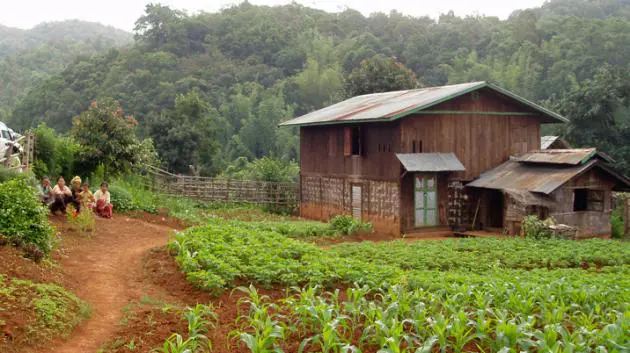
Poverty is all too evident in Myanmar’s rural areas, home to over 70 per cent of the population. Decades of underinvestment have taken their toll – villagers have limited access to services and infrastructure, and have had little voice in the development process.
The National CDD Project aims to address these challenges at the earliest opportunity, aligned with the government’s goal to change the way infrastructure and services are delivered to the people – from ‘top down’ to ‘bottom up.’
“The Board approval just marks a first step in the process to establish this new community driven project and paves the way for further consultations with civil society and local communities,” said Kanthan Shankar, the bank’s Country Manager in Myanmar.
“Local communities will be able to choose how they want to spend the grant funds – whether it’s roads, bridges, health clinics or fixing up classrooms or providing drinking water“, he said.
The project is being funded by a US$80 million grant from the World Bank. The government of Myanmar will also contribute about $6.3 million. The Department of Rural Development will implement the project, with the bank’s financial and technical assistance.
The project will operate in 15 of the country’s townships, selected based on three criteria: primarily poverty, as well as absence of other external funding and the commitment of the regional government to the objectives of the project. The first three townships set to benefit from the project will be identified soon. Three annual grants of on average of $27,000 each will be given directly to about 640 village tracts for community infrastructure.
Bank-supported community driven development projects have been successful in reducing poverty in other countries in East Asia. In Indonesia, the proportion of households moving out of poverty in poor sub-districts was 9.2 per cent higher, and in the Philippines, the annual per capita expenditure of poor households was five percent higher, as compared to communities not supported by the projects.
Lessons learned from these experiences are helping to inform the Myanmar project. For example, the project will be implemented in phases over six years, since the Bank learned that a longer time frame is needed to improve effectiveness.
