
Tips flow in emerging Asian markets
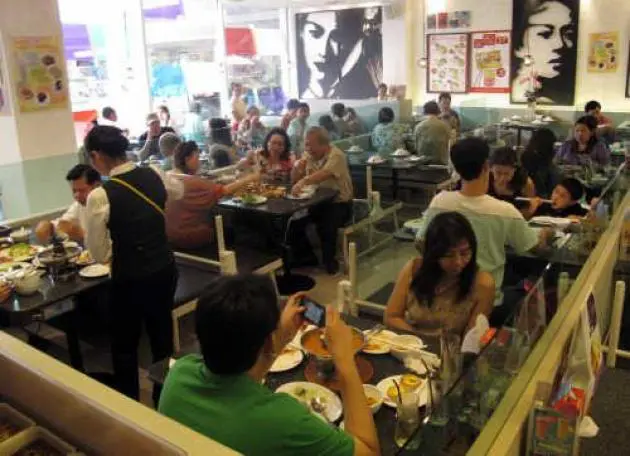


Restaurant diners in Asia's emerging markets are more likely to leave a tip than their more developed counterparts, according to a survey across the Asia-Pacific region.
The findings were compared with research conducted by MasterCard across 27 markets within Asia, the Pacific, the Middle East and Africa between November 7, 2012, and February 2 this year. The report for the Asia-Pacific region included interviews with 7,678 respondents from 16 markets who were asked questions about their dining habits.
The survey found that diners in Bangladesh (88 per cent), Thailand (79 per cent) and the Philippines (77 per cent) were the most prevalent tippers in the region. Thailand ranked as the most generous when it came to tipping in the same survey last year, and increases were recorded in Asia’s rapidly emerging markets such as Indonesia (up 10 per cent) and India (up 4 per cent) when compared with last year.
Markets where consumers are tightening their purse strings with regard to tipping include Hong Kong (down 12 per cent), Singapore (down 11 per cent) and Malaysia (down 11 per cent).
In addition, more than one-third of consumers regularly look for online reviews before making decisions on where to dine out. Asia’s most advanced tech markets lead the region, with Taiwan, Japan and Singapore most reliant on online reviews when selecting where to eat. In the emerging markets in the region, namely Indonesia, Vietnam and Bangladesh, consumers still prefer recommendations from family and friends.
After dining, Chinese, Malaysian and Thai consumers are the most likely to post reviews on social-networking sites such as Facebook and Twitter, with about half of respondents in these markets reporting that they regularly post comments online after their dining experience.
TOP SPENDER IS SINGAPORE
Singaporeans take the lead as the region’s top spenders on dining, with an average monthly dining spend of US$262 (Bt7,790). Japanese and Chinese consumers follow closely behind with an average monthly dining spend of $225 and $203 respectively. In Thailand, the average monthly dining spend is $ 129. In contrast, the region’s smallest spenders – India and Indonesia – spent only $17 and $19, or 3 per cent and 4 per cent of their monthly household income on dining respectively.
“There are big differences [among] the various cultures in the Asia-Pacific region and their tipping habits, and it’s always interesting to see how this is reflected in the research. It is also interesting to see the convergence of the growing online connectivity of Asia-Pacific consumers and their passion for food,” said Georgette Tan, MasterCard group head for communications, Asia-Pacific, Middle East and Africa.
“Food blogs are playing an increasingly influential role in Asia’s food scene, turning both locals and tourists alike to the best eats in town and placing less-known eateries on the radar of the keen, tech-savvy diners.”
Going online to check for credit-card promotions available also remains popular, particularly in markets such as Singapore, Hong Kong and mainland China, where about half of respondents do so regularly.
