
Negative fiscal effect dismissed


Play
Kittiratt cites satisfactory public-debt figure, rise in govt revenue amid concerns
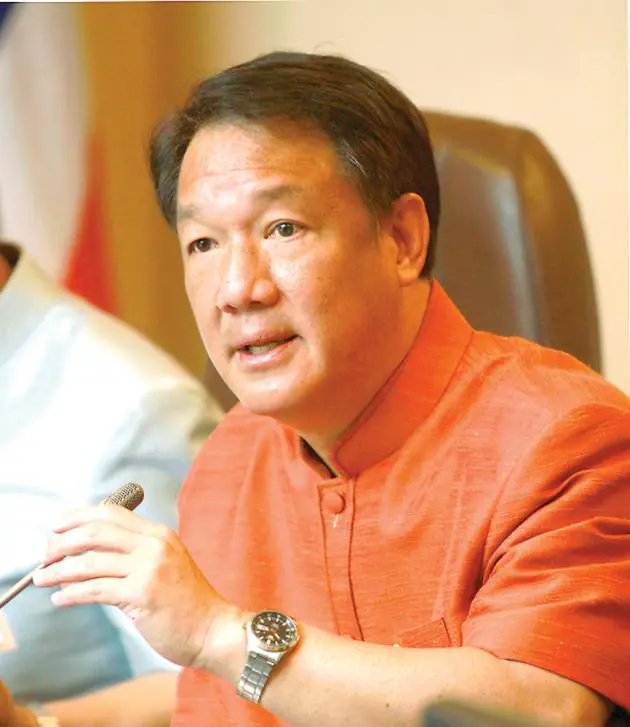
The government is confident that the rice-pledging scheme will not negatively affect the country’s fiscal position, and is continuing the programme as it helps to increase purchasing power and narrow the income gap, the finance minister said yesterday.
Kittiratt Na-Ranong, who is also deputy prime minister, said the government was confident that its Bt15,000-per-tonne pledging price for paddy could support rice farmers without there being any negative fiscal effect.
In response to concerns over the fiscal burden, he said the public-debt figure remained satisfactory and government revenue had been higher than targeted, with an appropriate current-account balance.
“We will continue the [pledging] price for a period and adjust it to the proper level. Helping a large number of people brings [additional] purchasing power and a good quality of life, and also narrows the income gap. An appropriate budget will be used to help rice farmers, but with fiscal discipline,” Kittiratt said.
Commenting on the possibility of global oil prices rising beyond US$100 per barrel, he said the government maintained domestic oil prices through the Oil Fund, which was currently in the black.
Despite short-term impacts from global uncertainties, Kittiratt expects the world’s economy to improve in the longer term, and said a positive sign was an improvement in the US employment situation.
“Although China may expand more slowly than expected, it has grown faster than other parts of the world for two decades. Its slower growth target remains high compared with average global economic growth, or with the growth of other economic powers,” he added.
GDP
In his opinion, Thai gross domestic product will expand by less than 5 per cent this year, given the slower global growth forecast by a number of key organisations.
Meanwhile, the government aims to build confidence among the private sector in the areas of state expenditure and administration, he said.
