
Rungson vows to review rice scheme loss


Play
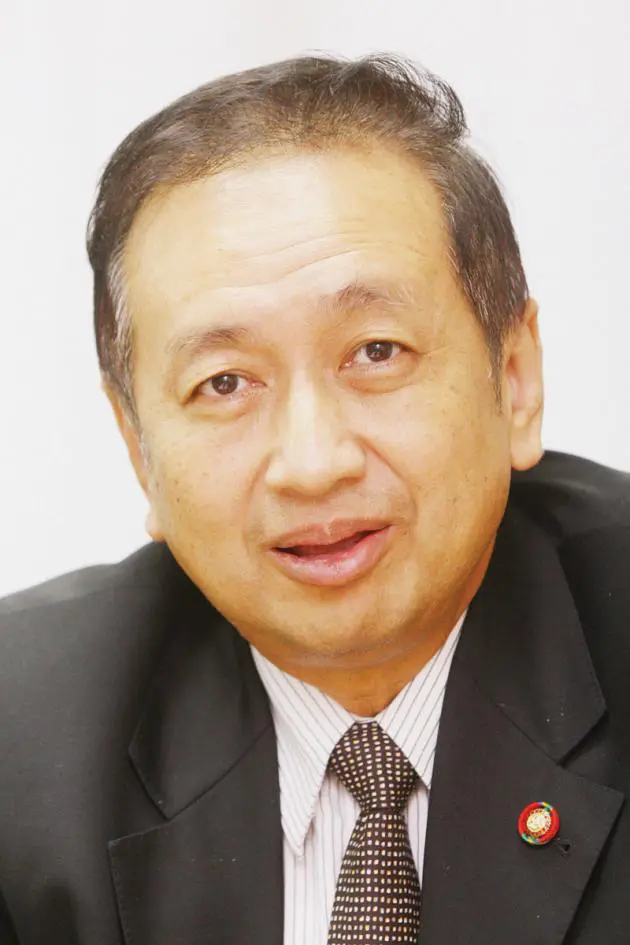
THE MAN set to become the new permanent secretary at the Finance Ministry says he will review the amount lost under the government's controversial rice-pledging scheme.
Rungson Sriworasat, acting permanent secretary of the Finance Ministry, said that he did not believe the loss would be as high as Bt200 billion a year, as concluded a ministry audit committee, headed by deputy permanent secretary Supa Piyajitti.
He said that he would also replace Supa as chair of the audit team. He denied Supa was removed, saying that she would still work with him. But that as the permanent secretary, he should be in charge of the audit committee.
“As someone with a background in accounting and a director of the Bank for Agriculture and Agricultural Cooperatives for eight years, I don’t think the loss is that high,” Rungson said.
“We will have to review the audit committee’s report to see if a loss of Bt200 billion a year is correct,” he said.
Rungson said that with a simple calculation, he believed the loss should be “only Bt36 billion” a year. He explained that under the scheme the government offered Bt15,000 for every tonne of rice, compared to the market price of Bt12,000, which meant a loss of Bt3,000 a ton. And the government had about 12 million tonnes of rice in its stockpiles and the loss would be about Bt36 billion.
The Cabinet earlier this month appointed Rungson as acting permanent secretary for finance, and he is expected to become the new permanent secretary.
On Monday, the Finance Ministry put the annual losses from the rice-pledging scheme |in the vicinity of Bt200 billion after wrapping up its audit. The audit report from Supa’s committee was signed by former permanent secretary Areepong Bhoocha-oom, who was transferred to the post of secretary-general of the Public Sector Development Commission. His transfer followed allegations that he was unable to control Finance Ministry officials who repeatedly expressed concerns over the scheme’s impact on the national fiscal position.
