
AIS plans 3,000 small-cell networks


Play
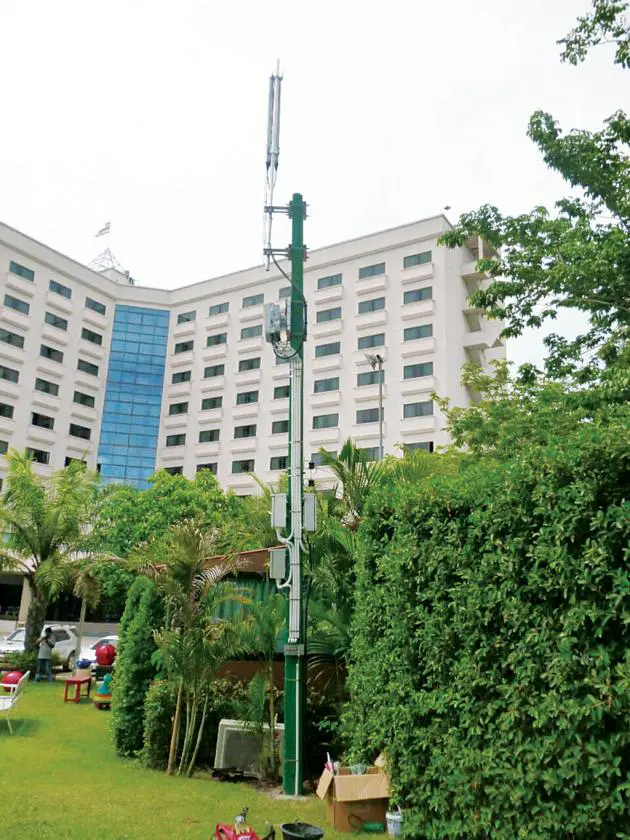
Advanced Info Service plans to install 3,000 small-cell networks nationwide to cater mainly for the surging demand for wireless data services.
Kittisak Ngarmchatetanarom, AIS vice president for Central region operations, said the small-cell network would also be rolled out at popular tourist destinations and shopping malls.
He said the move would help AIS expand its data service faster than the big conventional cellular networks, which required more time when searching for suitable areas for installation and more time to install.
According to National Broadcasting and Telecommunications Commission regulations, any operator wanting to install new telecommunication towers in a community needs to gain the community’s permission.
Kittisak said AIS had received the permission of some 8,000 communities for its plan to construct more towers.
AIS currently has more than 34 million mobile-phone subscribers. According to its filing with the Stock Exchange of Thailand early this month, its third-generation 2.1-gigahertz network now covered 97 per cent of the population.
It had 19,300 base stations in the first half of this year after targeting 20,000 stations with the addition of the small-cell network. The company also increased the number of its 3G handset subscribers from 8.5 million in the fourth quarter of last year to 15.9 million in the second quarter of this year.
