
Surin calls for change of mindset to safeguard country's core strengths


Play
Thailand is facing challenges in sustaining the growth and strength of its agricultural, automotive and tourism industries in Asean, with the region set to become a crucial market in driving the global economy, chairman of the Future Innovative Thailand I
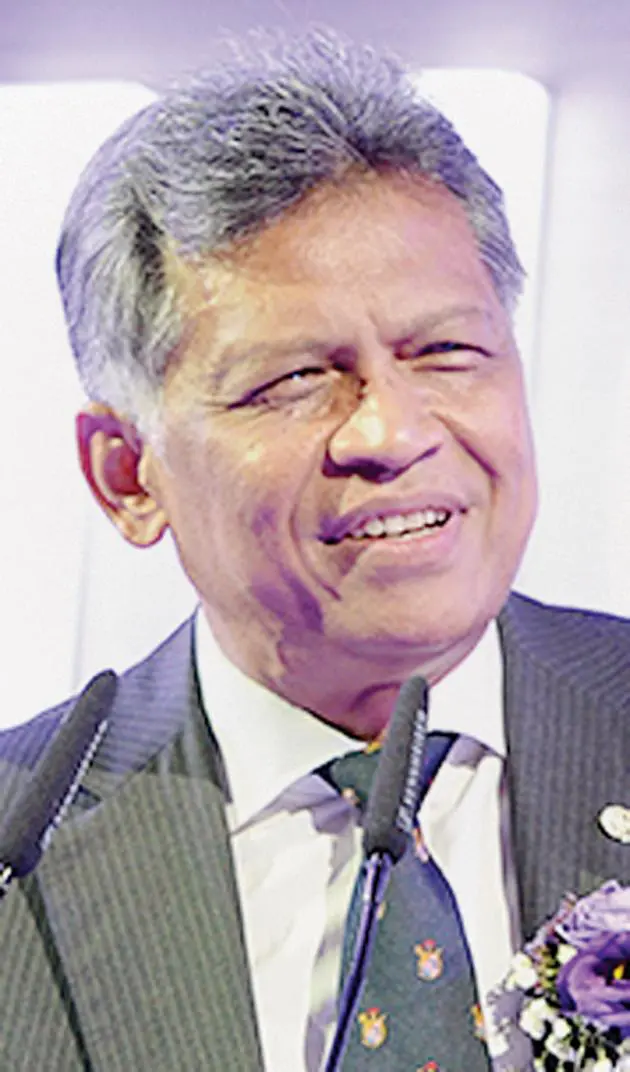
Speaking at the “SCB Investment Symposium 2014: Change Rising”, Surin noted that though Thailand has suffered from the political instability, which has led to lack of continuity in policy and slide in competitiveness, Thailand has strong industries such as agriculture and auto to deal with the Asean integration and the upcoming Asean+6.
“No one in Asean can beat Thailand in both industries,” he said, adding, “The agricultural sector must become stronger, not through support from populist policies but by increasing productivity and post-harvest management to create value-added agricultural products,” he said.
The challenge for the agricultural sector is that the labour force in this sector is no longer comprised of Thai people. The sector should manage immigrant labour in keeping with international norms so as to prevent allegations of human trafficking even though the US recently decided not to impose sanctions against Thailand for failing to meet minimum standards in combating human trafficking, he said.
Surin said Thailand’s automotive industry could be the top production base in Asean but it could lose the top domestic sales ranking to Indonesia. He urged the country to speedily improve technology and focus on being eco-friendly.
The supply chain in the auto industry should join hands with auto producers in bringing innovative technologies, as that would lure foreign investment and earn more revenue for the country, he said.
Tourism is likely to remain a strong industry for Thailand but there could be risks when the AEC is full effective in 2015 because Asean will become one destination. Tourism operators will have to become more proactive to bring in foreign tourists.
Thailand is the same as other countries in Asean in terms of increasing number of middle-income people, including enterprise owners. Therefore, they should give importance to education and the English language in particular as a key tool in boosting competitiveness, he said.
Among 10 countries in Asean, Thailand is ranked eighth in English skills.
“We don’t have a tool to cash in on the changes from the upcoming Asean Economic Community, even though Thailand is the second-largest in terms of gross domestic product, unless we change our mindset and management style,” he said.
He urged Asean to promote more intra-region trade, as currently it was only 24-25 per cent of total Asean trade.
Ekniti Nitithanprapas, deputy director-general of the Fiscal Policy Office, said on the sidelines of the same symposium that the state of the global economy poses a risk to the Thai economy from the viewpoint of export growth, which is likely to be less than 1.5 per cent, lower than the Fiscal Policy Office expectations.
