
Sri Lanka looks to Thai growth models


Play
Tourism in focus as country embraces Thai development plans
Espousing many of Thailand’s national developmental models, Sri Lanka is planning to develop ideas for the tourism industry among many other projects based on successful measures adopted by Thailand.
Sri Lankan authorities have also expressed interest in previous successful Thai national development plans, including boosting crop output and productivity rather than relying mainly on imports, as well as expanding local development into urban areas.
On a trip to Sri Lanka, Sasiwat Wongsinsawat, deputy director-general of the Foreign Ministry’s Department of South Asian, Middle East and African Affairs, talked of this new cooperation between the two nations. In the hotel sector, 1.17 million tourists are visiting Sri Lanka this year, more than half of them Indian nationals. Many visit seaside tourist cities including those home to hotels run by Thai executives.
“Sri Lankan authorities have proposed assigning officials to study national development – and coordination between the two countries is under way,” Sasiwat said.
“Thailand and Sri Lanka share many influences, most importantly Buddhism, and they have enjoyed good relations all along. After the end of the insurgency a few years ago, Sri Lanka began planning for prosperity through this ongoing development trend,” he said.
The Thai ambassador to Sri Lanka, Nopporn Adchariyavanich, said it was planning a Bt2-billion loan to establish a network of tap-water services in its rural areas, through Thailand’s Neighbouring Countries Economic Development Cooperation Agency. Thailand could also expand its canned-food industry in Sri Lanka, as this sector is limited in terms of technology and business development.
Sri Lanka is also expected to expand its food markets in the region, including to Maldives, India and Pakistan, which consume similar foods.
There are many other businesses in Sri Lanka that could be further developed, including packaged fresh chicken, or processed chicken, a major meat for local consumers. There is no animal-feed plant in Sri Lanka.
Private electricity production and shoppingmall industries are also good business opportunities for Thai investors, he added.
Thailand exports used cars and new auto parts to Sri Lanka, along with dried fish, worth around US$600 million (Bt19.7 billion) each year. Thailand has imported each year around $100 million worth of tea, gemstones and garments from Sri Lanka.
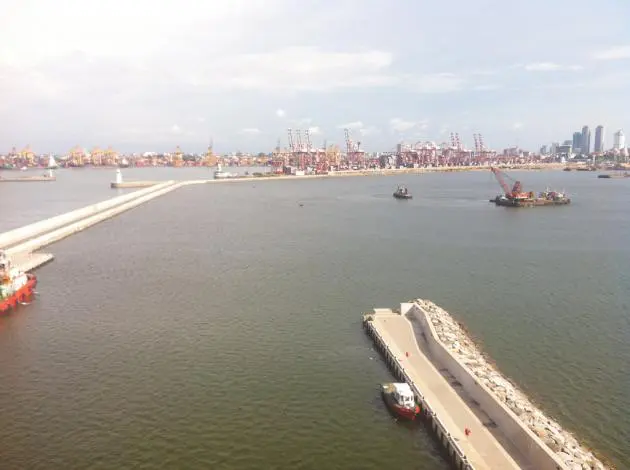
China, Japan and Malaysia are major foreign investors in Sri Lanka, with China now working on a development project called Colombo Port City, which will include a landfill scheme in the total project worth billions of dollars. Malaysia is now the biggest investor in the telecom industry.
Sri Lankan laws restrict foreign ownership in land but allow 99-year leases instead, Nopporn said. Exceptions on land ownership could be made in the case of major development plans through ad hoc cabinet approvals, he added.
