
CP's Dhanin keen on stake in Tesco Thai unit


Play
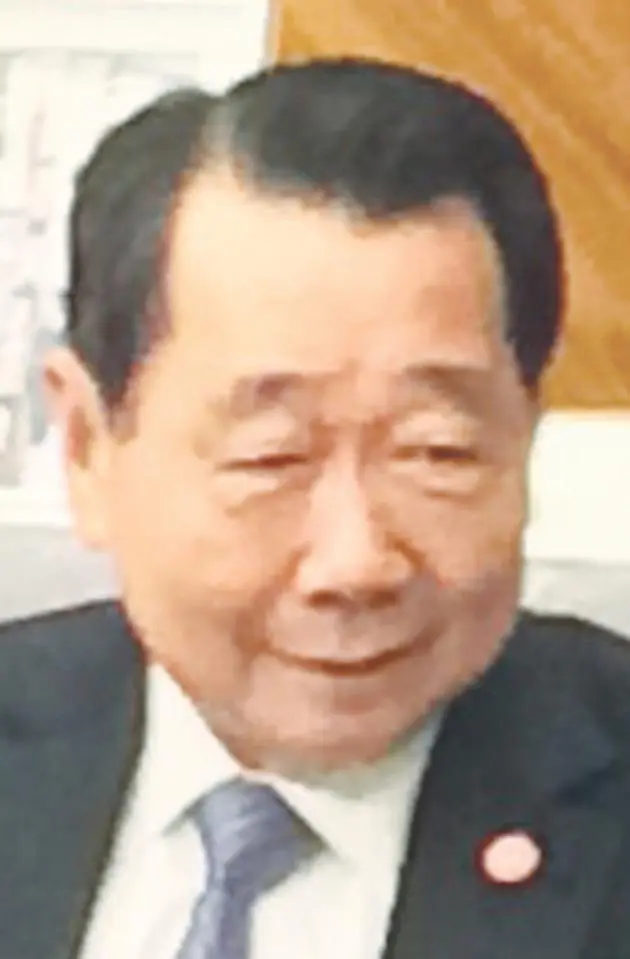
Dhanin Chearavanont, chairman of Charoen Pokphand, yesterday expressed keen interest in taking over Tesco's modern-trade operation in Thailand if such a deal creeps up, but added that up to now he had not been in any contact with executives from the Brit
“From my point of view, I think Tesco still has good financial strength and it’s not necessary to sell its Thai operation at this moment,” Dhanin said.
“Many banks have offered loans to the retail giant to strengthen its liquidity,” he said.
In Thailand, Tesco has just appointed a new chief executive officer and it is quite impossible for the new boss to sell the operation he has just been put in charge of, he said. Dhanin said he was interested in buying or having a certain stake in Tesco’s operation in Thailand if the UK-based company really wants to sell it or requires a new joint-venture partner.
“The Tesco stores in Thailand [formerly known as Lotus] are some of my children and were sold from the CP Group’s portfolio in 1997 when the company faced a serious financial crisis and wanted to save its core businesses.
“They helped us during a difficult time, and I have a policy to help them any time they demand any assistance,” he said.
At present, CP Group has no stake in Tesco’s operation in Thailand.
He said he was open to any new business if there was no conflict and helped strengthen the group’s core businesses, such as by reducing operating costs.
He referred to the group’s policy to support its upstream businesses, such as farming.
More than half of the 7-Eleven convenience stores in Thailand are owned by franchisees, and in the future they will be 100 per cent. This is in line with the group’s policy to support individual investors locally.
The company had some talks to buy an interest in Land and Houses Bank, but no agreement or any due diligence has been made so far.
Dhanin expects the Thai economy to improve on this year’s performance. If the Kingdom remains peaceful, the economic outlook will be optimistic, driven by bigger numbers of tourists and foreign investors, he said.
