
Energy price restructuring plan ready


Play
The Energy Policy and Planning Office will, on December 15, propose the energy price restructuring plan, while the 2015 Power Development Plan (PDP) would focus on more coal-fired power plants.
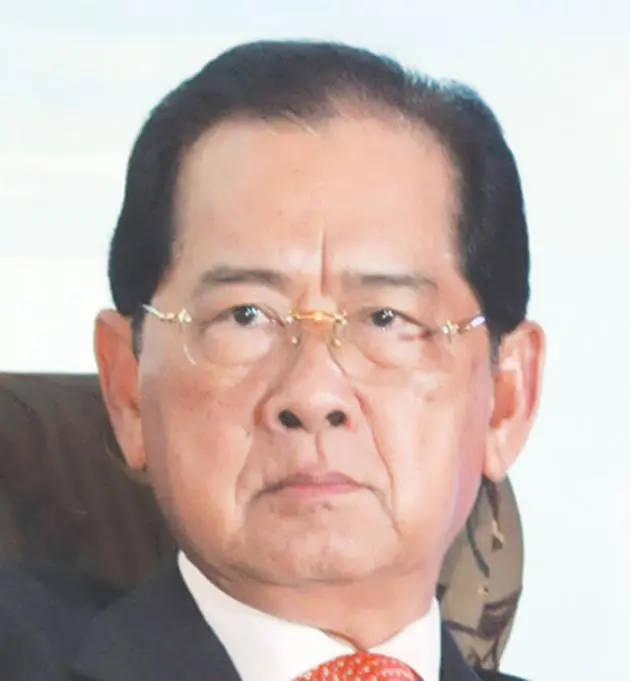
After yesterday’s EPPO meeting, Energy Minister Narongchai Akrasanee said the restructuring plan would reflect actual costs. The PDP, valid from 2015 to 2036, will be proposed in periods of 10 years and 11 years for practical execution.
The proposal will be handed over to the National Energy Policy Committee.
Now, about 70 per cent of Thailand’s electricity generation is fired by gas and more of clean, coal-fired power is needed, he said. Electricity stability will be ensured in all regions of the country, particularly the South, where there is a shortage of supply.
Under the proposed energy price restructuring, prices of gasoline and diesel will come close through the mechanism of the Oil Fund and excise taxes, he said.
Increase in energy prices, particularly diesel, will not affect people as contributions to the Oil Fund will be cut, while excise taxes on energy will be raised. Therefore, the energy prices will be close to the existing prices.
The Oil Fund is currently in positive territory with a balance of nearly Bt10 billion, after gaining revenue of about Bt300 million per day.
If the Oil Fund were in satisfactory health, the energy price restructuring would be easier, he said. The ministry will also ask the committee for a raise in the price of liquefied petroleum gas (LPG). Retail price of LPG is currently set at Bt24.16 per kilogram.
For alternative energy, the purchase price of electricity will be proposed as the feed-in tariff for the whole system. The Energy Ministry has asked the Office of Energy Regulatory Commission to gather and consider licences for power purchase and sales of each project.
Regarding Wind Energy Holding Co’s wind power project, Narongchai said that if the company could not implement its projects as planned, they would be scrapped.
The ministry will also set a timeframe for licences for power purchase and sale.
PTT and Bangchak Petroleum will cut its prices of gasoline, excluding E85, by 40 satang, while maintaining the diesel price.
