
Somkid vows steps for the 'low-income'


Play
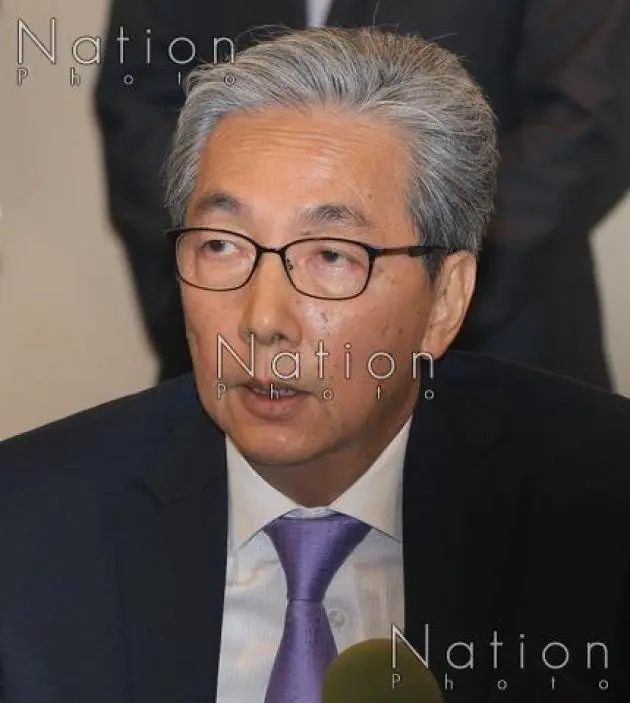
THE GOVERNMENT will launch short-term economic measures for farmers and low-income earners with a view to speeding up investment, newly appointed Deputy Prime Minister Somkid Jatusripitak said yesterday.
In his first interview after taking office, Somkid, who is responsible for economic affairs, said the economic slowdown was mainly due to external factors such as the global economic slowdown.
However, he believes these external factors will have a short-term impact on Thailand, whose economy has strong fundamentals.
The internal factor that is affecting the economy is the plunge in prices of agricultural products, which has had an impact on the earnings of low-income consumers. When the purchasing power of those people weakens, consumer confidence drops and investments stall.
Stimulus measures for farmers and low-income earners, therefore, will form part of an urgent agenda to be proposed to the Cabinet in order to spur circular flows into the local economy.
The country needs to have major economic investments, which means not only investments in infrastructure, but also domestic investment, he said. The future growth of the local economy cannot be supported by exports alone, but the country must grow from domestic investments in urban areas, which relates with the investments in industrial zones.
Somkid said he had informed Prime Minister Prayut Chan-o-cha about the proposed measures for farmers and low-income earners. Importantly, structural problems in the export sector need to be reformed to increase the country’s competitiveness.
The government will coordinate with other countries to build trade negotiations, he said, and these will be discussed with the private sector and relevant agencies on Thursday.
Tim Leelahaphan, an economist at Maybank Kim Eng Securities, said the markets were hoping for an economic stimulus package from the new Cabinet within the two-month honeymoon period it will receive in light of last week’s bomb attack. After that, it will be possible to judge whether Somkid is as effective as he was while serving in the Thaksin Shinawatra government.
“We note that a new fiscal year is due to start in October when the illegal-fishing issue, for example, is due to be addressed,” Tim said.
The Bank of Thailand has already lowered its interest rates twice this year, so there is not much room left for monetary and fiscal policies, such as subsidising farmers to reduce debts, he said. The national referendum on the new constitution is approaching and a populist policy would help shore up the popularity of the military-led regime, but it needs to be discreet in its actions, Tim said.

