
e-payment ready for soft launch


Play
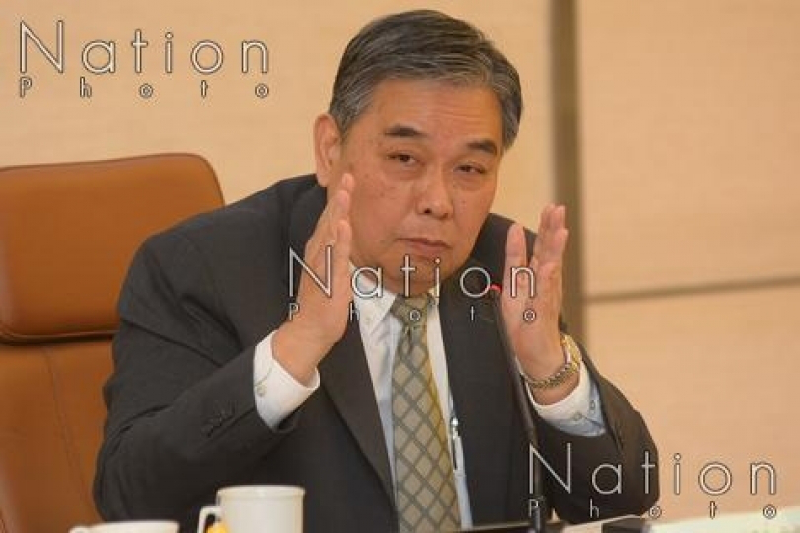
THE FIRST phase of Thailand’s e-payment system will kick off nationwide in July, Finance Minister Apisak Tantivorawong said yesterday.
This includes use of the Any-ID scheme, which will allow anyone to transfer money by using their ID card, mobile number or e-mail address.
It also involves promotion in the private and public sectors of the use of the e-payment system, such as for the payment of value add tax, and payment between the private and public sectors by expanding electronic data capture/chip terminals.
For the latter, the aim is to expand the number of card-receiving machines from 200,000 currently to 500,000 around the country by the end of July.
The first phase also includes introduction of an e-tax invoice system by the Revenue Department, an e-payment system for government and state agencies, and promotion among the public to register to use the e-payment system for the purpose of receiving tax incentives, the minister said.
The use of the system for members of the public to receive benefits is also being studied, he added.
The registration at state-owned banks of lower-income people entitled to government incentives will also commence in July, after the Cabinet has approved the definition of this category of individual, Apisak said at a press conference following the second meeting of the national e-payment steering committee, chaired by Deputy Prime Minister Somkid Jatusripitak.
The first meeting of the committee was held on February 5.
The Finance Ministry will submit a proposed definition of low-income people to the Cabinet in the next two or three weeks, he added.
“We are considering the definition of low-income people from their earnings, by focusing on those who earn no more than the minimum daily wage of Bt300 or who have bank deposits of up to Bt30,000 per account. We will fine-tune these ideas before putting our proposal to the Cabinet in two or three weeks’ time,” Apisak explained.
According to a Finance Ministry study, there are some 19 million people falling within the financial parameters that the minister said were currently being considered.
Low-income earners who register with state-owned banks will be able to receive incentives from the government in the future, and will be able to use the e-payment system to buy consumer products, he said.
Meanwhile, the steering committee is also considering whether to provide tax incentives for individuals and businesses to register for the e-payment system.
Corporates who register to use the system could, for example, pay a lower rate of value added tax than those that do not sign up to do so, the minister said.
Apisak told the press conference that the system would enhance tax-collection efficiency and boost the country’s tax revenue, which in turn would also assist in budget allocation to the low-income group and reduce income equality.
With July now scheduled for commencement of the first phase, the whole system is targeted to be completed in 2018, he said.
“When the system is complete, lower-income people will be able to use their ID cards to buy products priced from Bt20,” he told reporters.
“This is an open opportunity for all Thais to join the e-payment system,” he added
