
Five Thai sectors urged to prepare for Indonesia’s halal rules
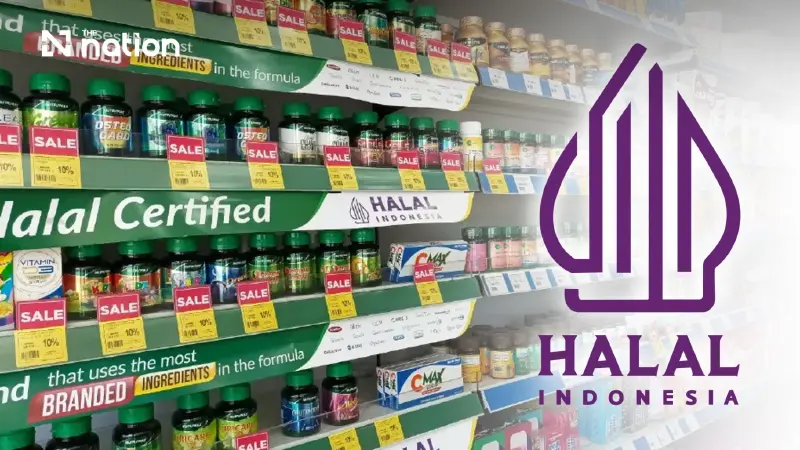


Thai food exporters are being urged to prepare for Indonesia’s halal certification rules, which will apply from October 17, 2026 to food and beverages sold nationwide.
- Indonesia will mandate halal certification for all food and beverage products sold in the country starting from October 17, 2026.
- The new regulations are expected to primarily impact five Thai export sectors: processed foods, seafood, dried fruit, beverages, and agricultural products with additives.
- Thai exporters must adjust their production processes and obtain certification from bodies recognized by Indonesia's Halal Product Assurance Agency (BPJPH) to continue selling in the market.
- Genuinely unprocessed agricultural products are exempt, but items with additives or coatings, such as wax-coated fruit or seasoned seafood, will require certification.
Thai exporters in five product groups are being urged to prepare for Indonesia’s Halal Product Assurance requirements, under which all food and beverage products sold in the country must be halal-certified from October 17, 2026.
The changes are expected to affect Thai businesses, especially those exporting processed foods, seafood, dried fruit, beverages and agricultural products containing additional ingredients.
Businesses may need to adjust their production processes and obtain halal certificates to remain competitive in the Indonesian market.

Halal certification deadline set for October 2026
Nantapong Chiralerspong, director-general of the Trade Policy and Strategy Office (TPSO), explained that Indonesia had expanded the scope of its halal requirements for food and beverages under the Halal Product Assurance Law (Law No. 33/2014), along with regulations issued by the Halal Product Assurance Agency (BPJPH).
According to the office, all food and beverage products sold in Indonesia will be required to obtain halal certification from October 17, 2026.
The product groups likely to be most affected include seafood, dried fruit, wax-coated fruit, ready-to-eat meals, snacks, functional drinks, health foods and processed agricultural products containing additional ingredients or additives.
Businesses in these sectors will need to manage halal-related costs and procedures carefully throughout the entire supply chain, from factory production to distribution in Indonesia.
Agricultural products that are genuinely unprocessed, including fresh fruit and vegetables without surface coatings, are expected to remain exempt under Indonesia’s Positive List.
Thai exporters may apply for certification through halal-certification bodies in Thailand that are recognised by BPJPH for products destined to Indonesia, Nantapong added.
Indonesia remains a major Thai export market
Indonesia is an important export market for Thailand. In 2025, Thai shipments to the country were valued at US$9.33 billion, or 306.52 billion baht.
Exports of agricultural and agro-industrial products were worth US$1.41 billion, or 46.86 billion baht. Food and beverage products were important export drivers, including sugar, cassava products, fresh, chilled, frozen and dried fruit, pet food, rice, wheat products, prepared foods and beverages.
Nantapong advised Thai businesses to prepare for the requirements by examining Indonesia’s announcements and operational guidelines, which clearly distinguish between products requiring halal certification and those eligible for exemptions.
The rules are particularly relevant to primary agricultural products, seafood and processed foods, which account for an important share of Thailand’s exports.
Processed products containing several ingredients or additives must obtain halal certification from the Indonesian authorities or a foreign halal-certification body recognised by BPJPH before they can be imported.
Agricultural products seeking an exemption must be naturally halal and contain no additional ingredients or additives introduced during processing. Exporters must also provide clear evidence of transparency throughout production and the supply chain, including safeguards against contamination with substances prohibited under Islamic principles.

Processed and coated products require certification
Processed or seasoned seafood containing sauces, spices or oils, as well as dried fruit with added ingredients or surface coatings, must undergo formal halal certification and cannot qualify for an exemption under the Positive List.
Products likely to fall within this category include frozen fruit containing additional ingredients, dried longan and fresh fruit coated with wax or beeswax to preserve freshness.
Such products may be classified as processed goods containing additives and would therefore require halal certification. Products containing genetically modified organisms (GMOs) must also be certified.
Halal rules could extend to logistics
Indonesia is also moving towards extending its halal requirements to cover a “halal logistics system”, with guidelines being developed for transportation, storage and the handling of products in warehouses and shipping containers.
Food businesses and logistics providers will need to prepare their systems by providing segregated storage areas, managing cold-chain operations, labelling products according to their halal status and establishing traceability throughout the supply chain, Nantapong added.

Businesses urged to turn compliance into an advantage
The changes demonstrate that competition in the halal food market is increasingly shaped by standards, certification systems and end-to-end supply-chain management.
Exporters should study the regulations of their trading partners when planning shipments, assess the effects on costs and competitiveness, and continue developing value-added food innovations alongside internationally recognised food safety standards.
“Indonesia’s tighter halal measures will accelerate improvements in standards across Thailand’s food industry. Thai businesses must turn this challenge into a strategic advantage,” Nantapong noted.
“If they can adapt quickly to these requirements while developing food innovations that respond to global trends, Thailand will strengthen its position as a production base and supplier of halal food in both ASEAN and the wider global Muslim market.”
