
Thai Airways Faces Backlash Over Baggage Blunder
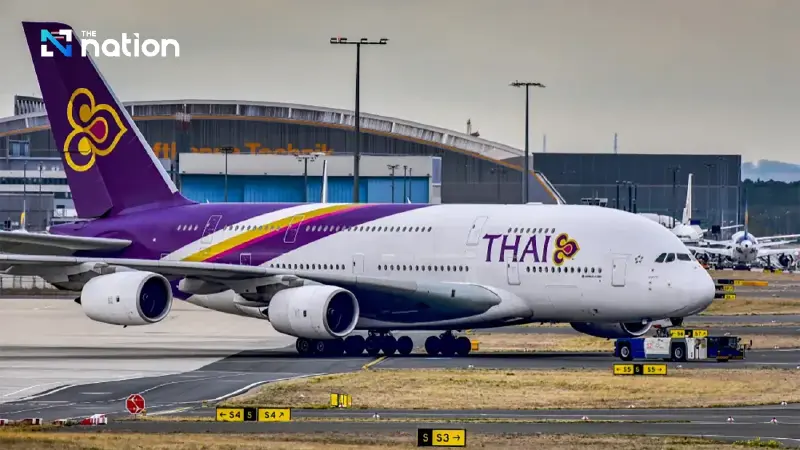


Severe ground-handling delays and poor communication at Suvarnabhumi Airport trigger passenger outrage and potential fines
- Thousands of passengers at Bangkok’s Suvarnabhumi Airport were stranded for hours, some until the next day, without their luggage due to severe ground-handling shortages.
- The airline reportedly prioritized baggage handling for its third-party partner airlines over its own passengers to avoid contractual financial penalties, leading to the widespread delays.
- Passengers criticized a complete breakdown in communication, as they received no official updates or assistance from airline personnel during the lengthy waits.
- As a result of the operational failure, Thai aviation authorities are considering financial penalties and administrative sanctions against Thai Airways.
Severe ground-handling delays and poor communication at Suvarnabhumi Airport trigger passenger outrage and potential fines.
Thai Airways International is facing intense public scrutiny and prospective regulatory penalties following a severe operational collapse at Bangkok’s Suvarnabhumi Airport, which left thousands of passengers stranded for hours without their luggage or official guidance.
The disruption, caused by acute ground-handling shortages, unfolded inside the main passenger terminal as arriving travellers were left waiting at baggage carousels for five to six hours, with some waiting until the following day.
According to a report by local outlet Post Today, frontline communication broke down entirely, leaving both domestic and international passengers with no updates or assistance from airline personnel.

One passenger arriving from Japan recounted waiting over two hours at baggage claim with no staff present to explain the delay. Travellers were eventually forced to rely on word-of-mouth recommendations from fellow passengers to decide whether to wait or return home.
Upon visiting the Lost and Found department, passengers were advised to travel home and return to the airport the next morning to collect their luggage in person, rather than receiving home delivery services.

The operational strain extended beyond the baggage halls to social media platforms. In a widely shared post on X (formerly Twitter), an account operating under the Japanese handle "このアカウントの所有者は日本に行きたいと思っています" (translated as "The owner of this account wants to go to Japan") questioned the carrier’s decision to proceed with flights despite severe ground-staff shortages linked to flooding across Bangkok.
The passenger argued that regional airlines typically cancel operations during extreme conditions rather than risk prolonged delays, calling on Thai Airways to suspend flights when understaffed and urging government authorities to take responsibility for broader infrastructural shortcomings.
Industry analysts and reports have pointed to a major structural conflict in Thai Airways' ground operations.
Suvarnabhumi Airport utilises two primary luggage concessionaires. While the second operator maintained normal service levels throughout the period, Thai Airways—which manages baggage handling for both its own service and third-party partner airlines—encountered widespread failure.

The flag carrier reportedly prioritised third-party partner flights over its own operations to avoid severe financial penalty clauses stipulated in its external ground-handling contracts.
As a result, Thai Airways' own passengers were neglected, leading to stranded luggage and subsequent outbound flight delays lasting several hours. Airports of Thailand (AOT) and the Ministry of Transport have confirmed they are reviewing the incident.
Financial penalties and administrative sanctions are currently under consideration against Thai Airways to enforce service level agreements and prevent future operational failures at the country's main gateway.

