
Khon La Khrueng Plus set for June as Finance Ministry readies crisis borrowing


Thailand plans to open Khon La Khrueng Plus registration in May, while the Finance Ministry prepares contingency funding and a possible borrowing decree to cushion any Middle East spillover.
Thailand plans to reopen registration for the Khon La Khrueng Plus co-payment programme in May 2026, with spending scheduled to begin on June 1, as the government prepares a relief-focused round of support while also readying contingency funding in case Middle East tensions drag on and hit inflation and economic growth.
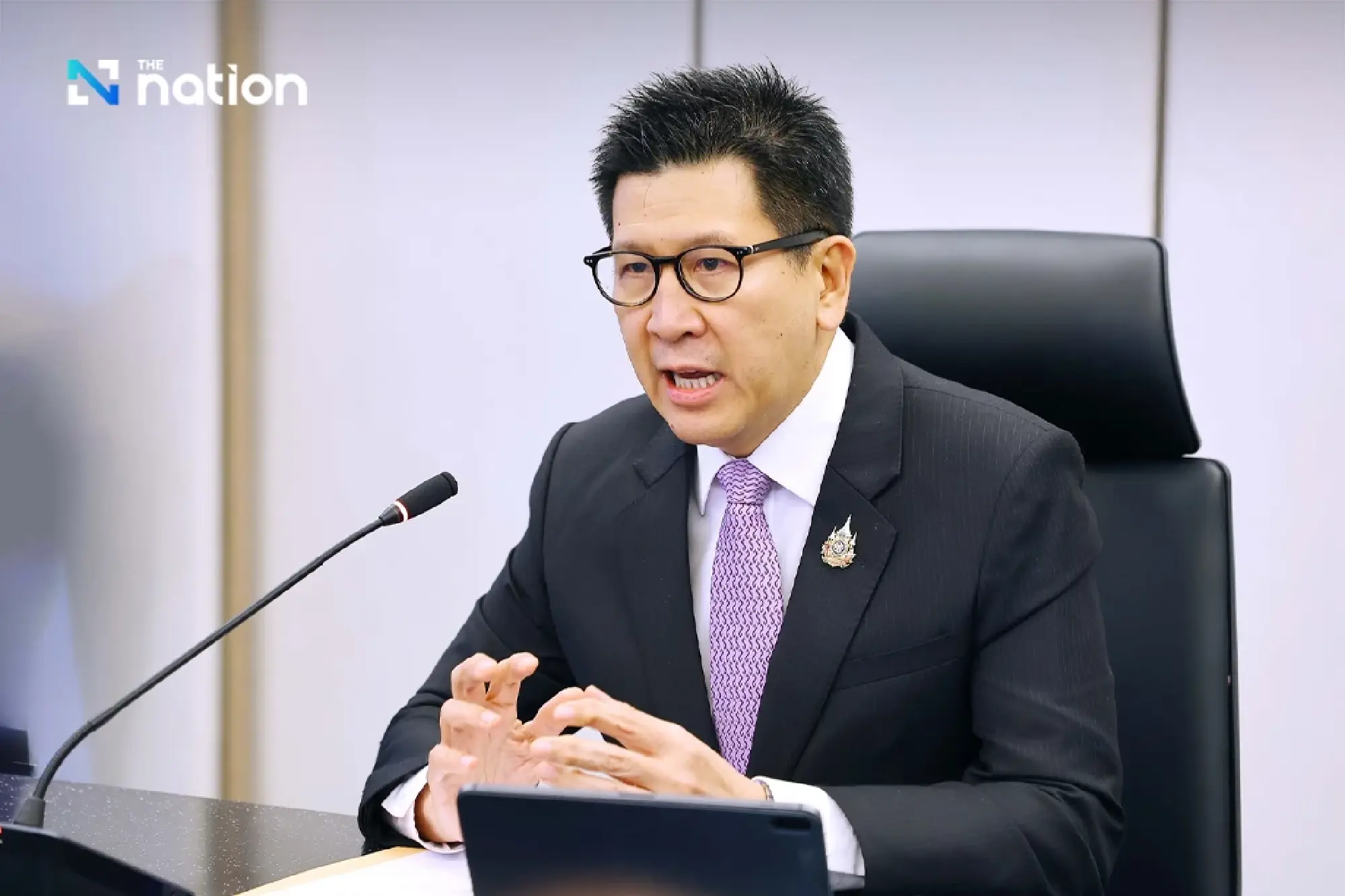
Deputy Prime Minister and Finance Minister Ekniti Nitithanprapas said the scheme would prioritise short-term relief, although the final budget, subsidy amount and number of recipients have yet to be settled because funding details are still being worked out.
Ekniti also said the government would keep VAT at 7% for at least another year, through September 2027, to stay aligned with current economic conditions and avoid adding to living-cost pressures.

Relief scheme to reopen in May
The co-payment programme is being positioned as the government’s frontline relief tool at a time of rising uncertainty over energy costs and consumer prices. While ministers have fixed the broad timeline — registration in May and launch on June 1 — the finer details are still pending budget clearance, suggesting the scheme’s final size could depend on how much fiscal space is ultimately made available.
Finance Ministry lines up crisis funding options
As a second line of defence, the Finance Ministry has assembled several possible funding sources to cushion the economy if the regional conflict worsens. These include 25 billion baht from the central budget, a fiscal 2026 budget-transfer bill expected to become clearer after April 30 and initially estimated at 80-100 billion baht, plus another 50 billion baht in emergency reserve funds if urgent spending is needed.
The government is also weighing whether to issue an emergency borrowing decree between April and September, with a ceiling of up to 500 billion baht.
Ekniti said the money would be split between two broad priorities: easing the public’s cost-of-living burden and restructuring the economy in the energy and labour sectors to help keep growth on track. He argued that preparing borrowing capacity in advance was preferable to allowing GDP to shrink and dealing with the bigger damage later.
VAT, debt ceiling and 2027 budget stay on course
Even with those contingency plans, Ekniti said the government would not raise the public debt ceiling, which remains set at 70% by the end of fiscal 2026, because Thailand still has nearly 800 billion baht of headroom — enough to accommodate a 500-billion-baht emergency borrowing package if required. He also said the Finance Ministry would hold off for now on a proposed 150-billion-baht guarantee for the Oil Fuel Fund, as world oil prices have started to ease.
On the fiscal 2027 budget, Ekniti said a joint meeting of four economic agencies had agreed to leave expenditure, revenue and deficit projections unchanged. However, the government will add 70 billion baht for Treasury cash repayment in the 2027 budget to avoid any liquidity strain from the planned fiscal 2026 budget-transfer bill.
