
Reuters highlights Thai resilience 29 years after 1997 crisis
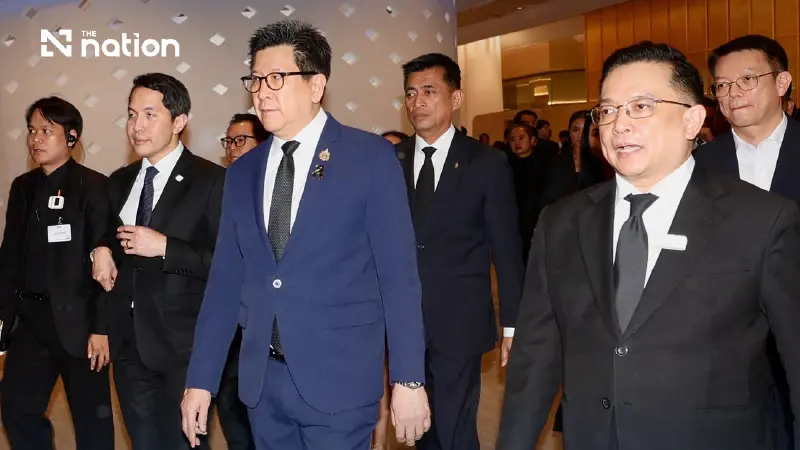


Thailand prepares to attract high-tech investment at IMF–World Bank meetings on October 12–18 after Fitch revised its credit outlook to stable.
- A Reuters report highlights that Thailand has greater economic stability and capacity to withstand global pressures compared to the 1997 financial crisis.
- Fitch Ratings has revised Thailand's credit outlook to stable, citing the country's better-than-expected handling of global energy price pressures as a sign of its resilience.
- Despite its resilience, the report identifies ongoing challenges for Thailand, including slowing growth, high household debt, and the need for structural economic reform.
- In response, Thailand is promoting itself as a "Trusted Connector" to attract international investment, focusing on high-tech sectors like semiconductors, data centres, and electric vehicles.
Reuters has highlighted Thailand’s economic resilience almost 30 years after the 1997 Asian financial crisis in a report published on October 9, 2026, Deputy Government Spokesperson Lalida Persvivatana said.
Lalida cited the article, “Nearly 30 years after IMF rescue, Thailand faces new economic test”, as highlighting Thailand’s greater capacity to withstand global economic pressures and its stronger stability compared with the crisis known locally as Tom Yam Kung. The Reuters report also identified slowing growth, household debt and the need for structural economic reform as continuing challenges.
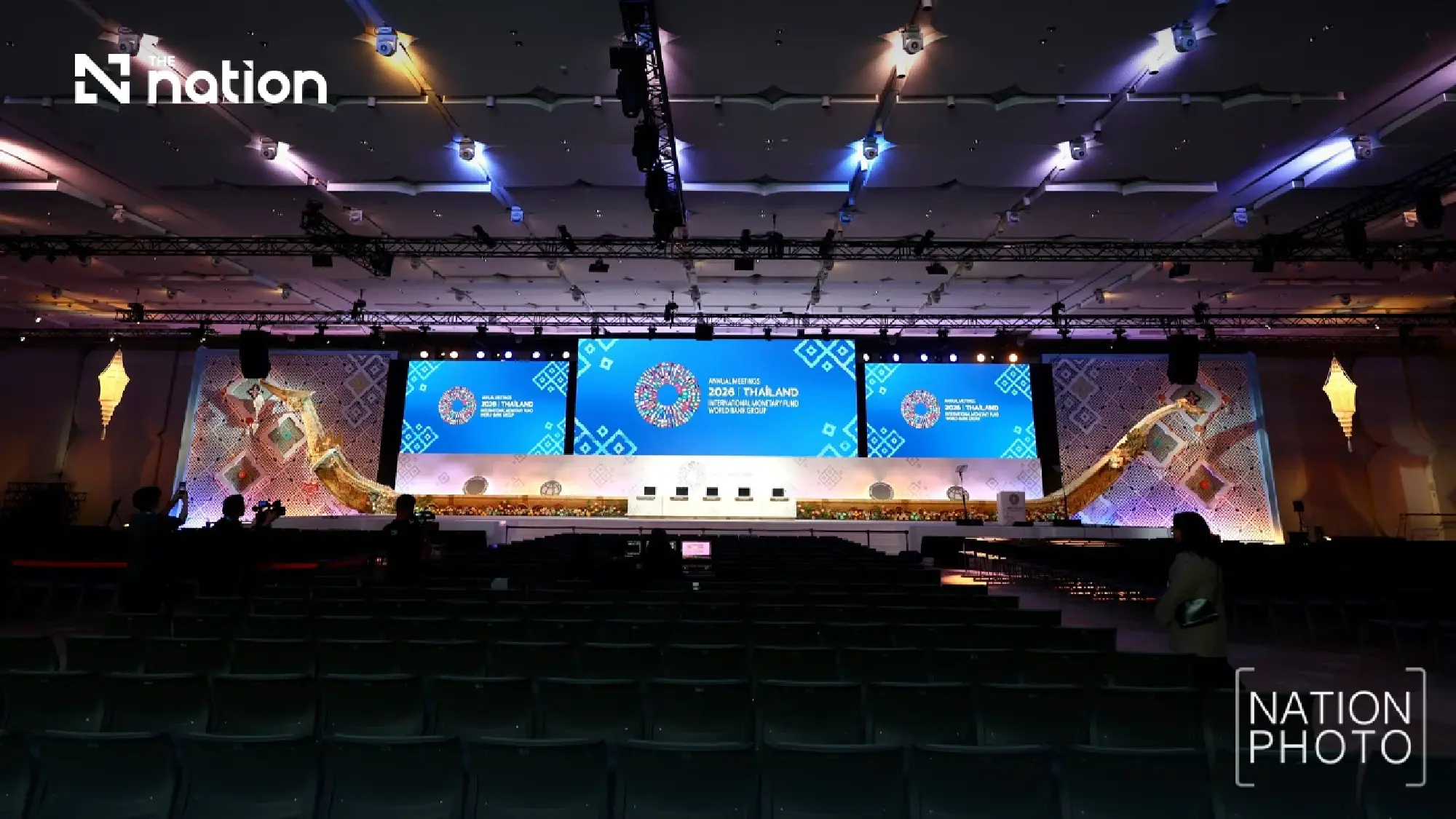

Fitch revises Thailand’s credit outlook to stable
Lalida said the Reuters report cited Fitch Ratings’ September assessment that Thailand’s economy had coped with global energy price pressures better than expected, while deflationary pressures had eased and policy direction had become clearer. Fitch revised Thailand’s credit-rating outlook from negative to stable.
Thailand plans ‘Trusted Connector’ pitch for IMF–World Bank meetings
Deputy Prime Minister and Finance Minister Ekniti Nitithanprapas plans to use the annual meetings of the International Monetary Fund (IMF) and World Bank, hosted by Thailand from October 12 to 18, to promote the country as a “Trusted Connector” and attract international investment, Lalida said.

Thailand intends to present itself as a neutral and secure investment destination amid geopolitical conflict and trade tensions, according to Lalida. The government plans to draw on Thailand’s location, manufacturing base and regional economic links to strengthen economic, trade and investment cooperation between countries.
Lalida said the government would use the annual meetings to communicate Thailand’s economic policy direction and build confidence among international investors. Encouraging investment in new industries is intended to strengthen the country’s competitiveness and support sustainable economic growth.


Ekniti prioritises semiconductors and high-tech investment
Ekniti’s interview with Reuters outlined a strategy for investment-led growth focused on semiconductors, data centres, advanced manufacturing and electric vehicles.
Ekniti also emphasised developing renewable energy, upgrading electricity grids and building workforce skills to support high-technology industries.
