Korat’s 12 protected products generate 12.148bn baht in 2025
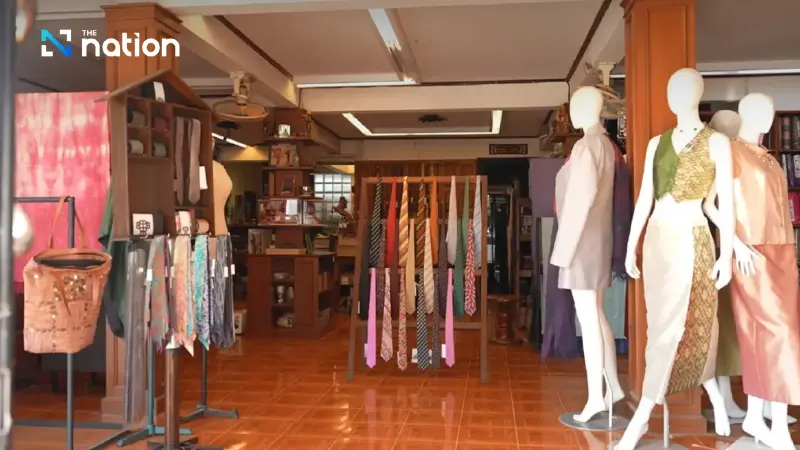


Nakhon Ratchasima led Thailand with 12 geographical indication products as of August 14, 2026, from silk and pottery to coffee and fruit.
- Nakhon Ratchasima (Korat) generated 12.148 billion baht in economic value in 2025 from its 12 products with geographical indication (GI) protection.
- Korat has the largest number of GI-registered products of any province in Thailand.
- The 12 protected products are diverse, spanning agriculture, handicrafts, and processed goods such as silk, pottery, coffee, and fruit.
- The GI protection system links a product's quality and reputation to its geographical origin, helping to add value and preserve local skills.
Nakhon Ratchasima’s 12 products with geographical indication (GI) protection generated 12.148 billion baht in economic value in 2025, according to the Department of Intellectual Property. The province, also known as Korat, had Thailand’s largest number of GI products in the department’s figures as of August 14, 2026.
Known as the gateway to the Northeast, Korat has a varied base of local resources and traditional knowledge, reflected in its silk, pottery, jasmine rice, fruit and other agricultural products. These assets offer opportunities to develop the creative economy, attract spending into the province, create jobs and distribute income among local businesses and communities.
Korat’s 12 products range from silk to fruit
Korat’s 12 GI products cover agriculture, handicrafts and processed goods, reflecting the province’s diverse resources and skills. The full list comprises:
- Isan Indigenous Thai silk yarn
- Pak Thong Chai Thai silk
- Khum Ma Au Bua Lai silk
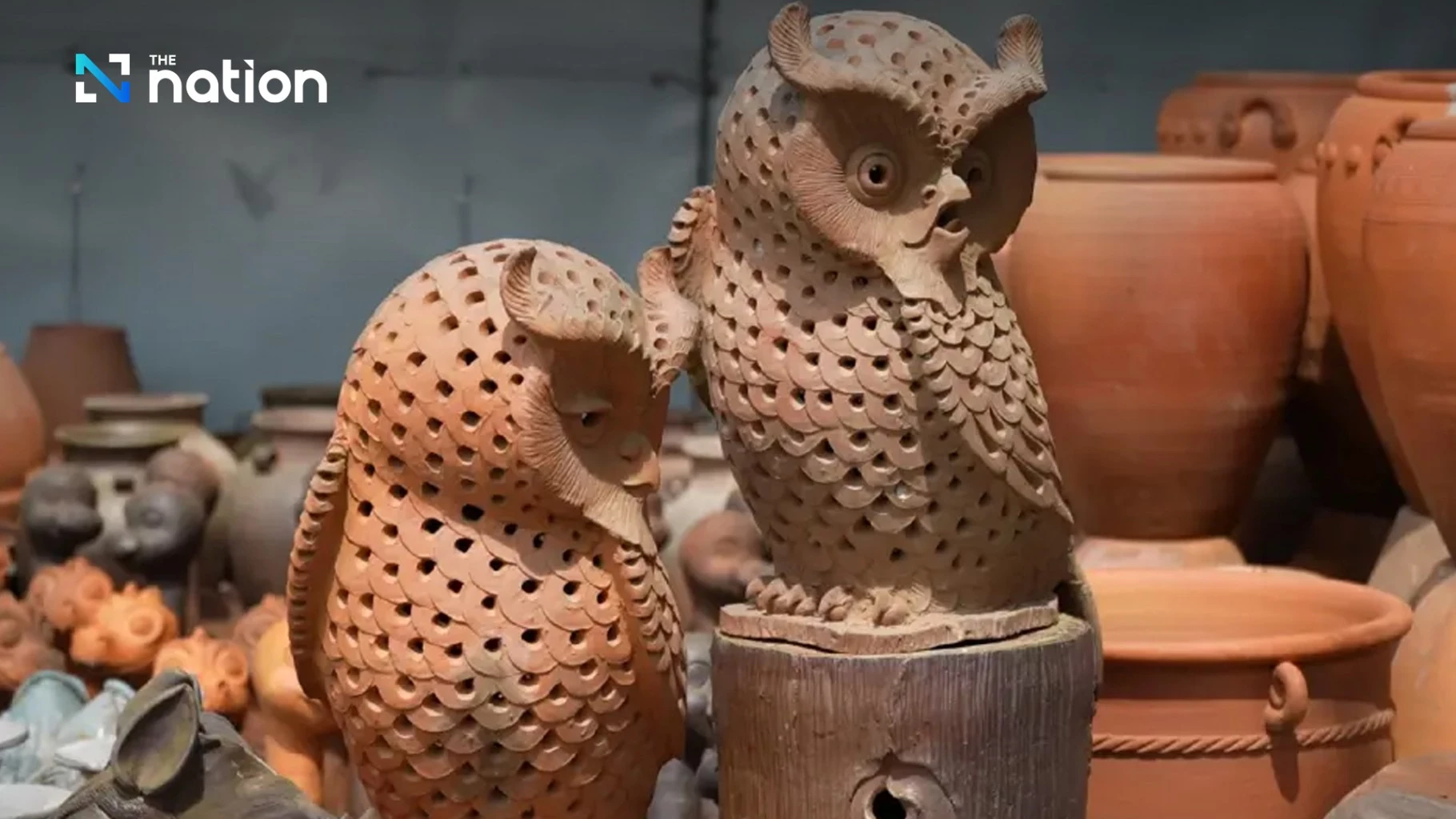
- Dan Kwian pottery
- Thung Samrit jasmine rice
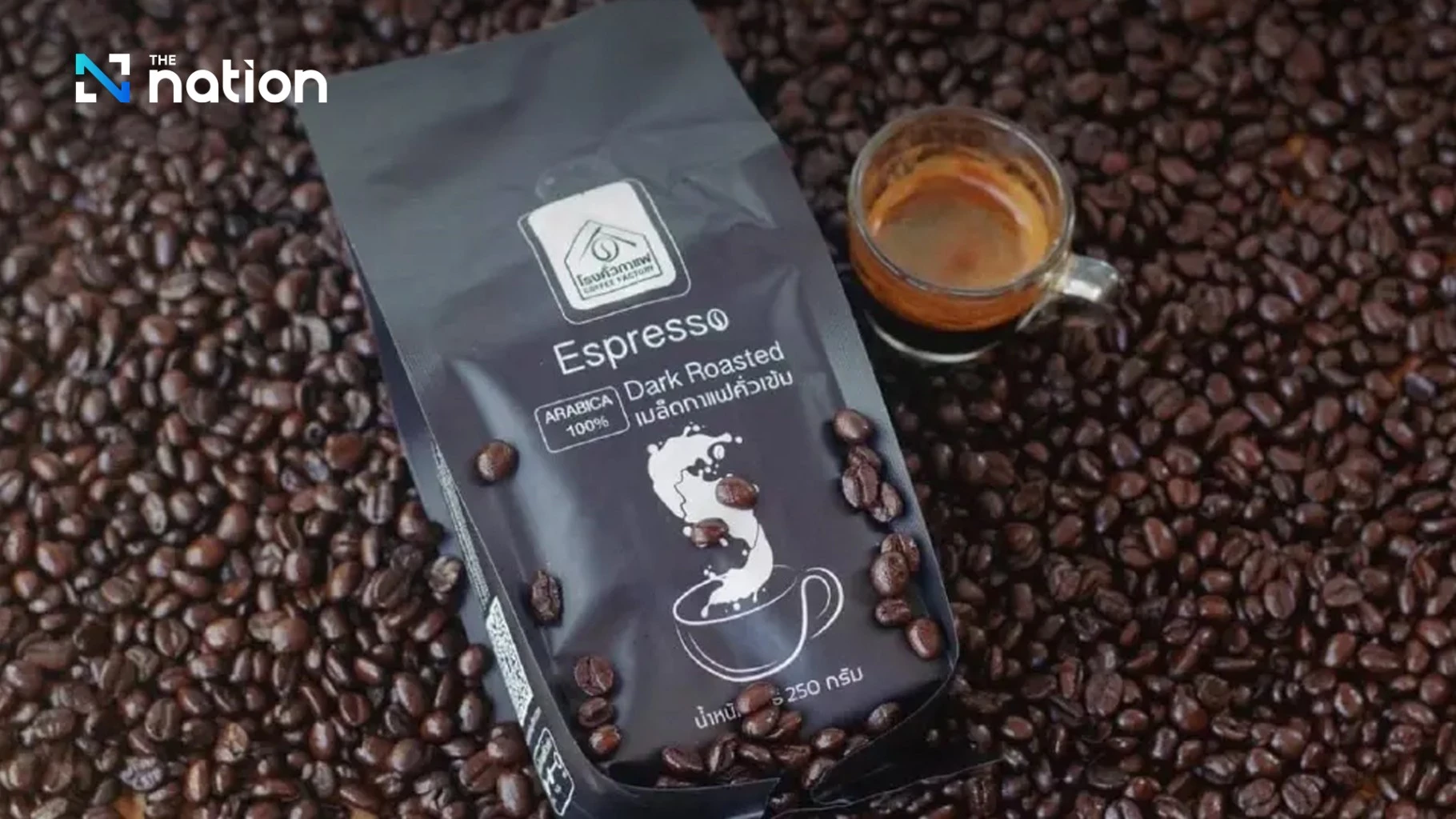
- Wang Nam Khiao coffee
- Dong Ma Fai coffee
- Khao Yai wine
- Pet Non Thai Manila tamarind
- Pak Chong Khao Yai durian
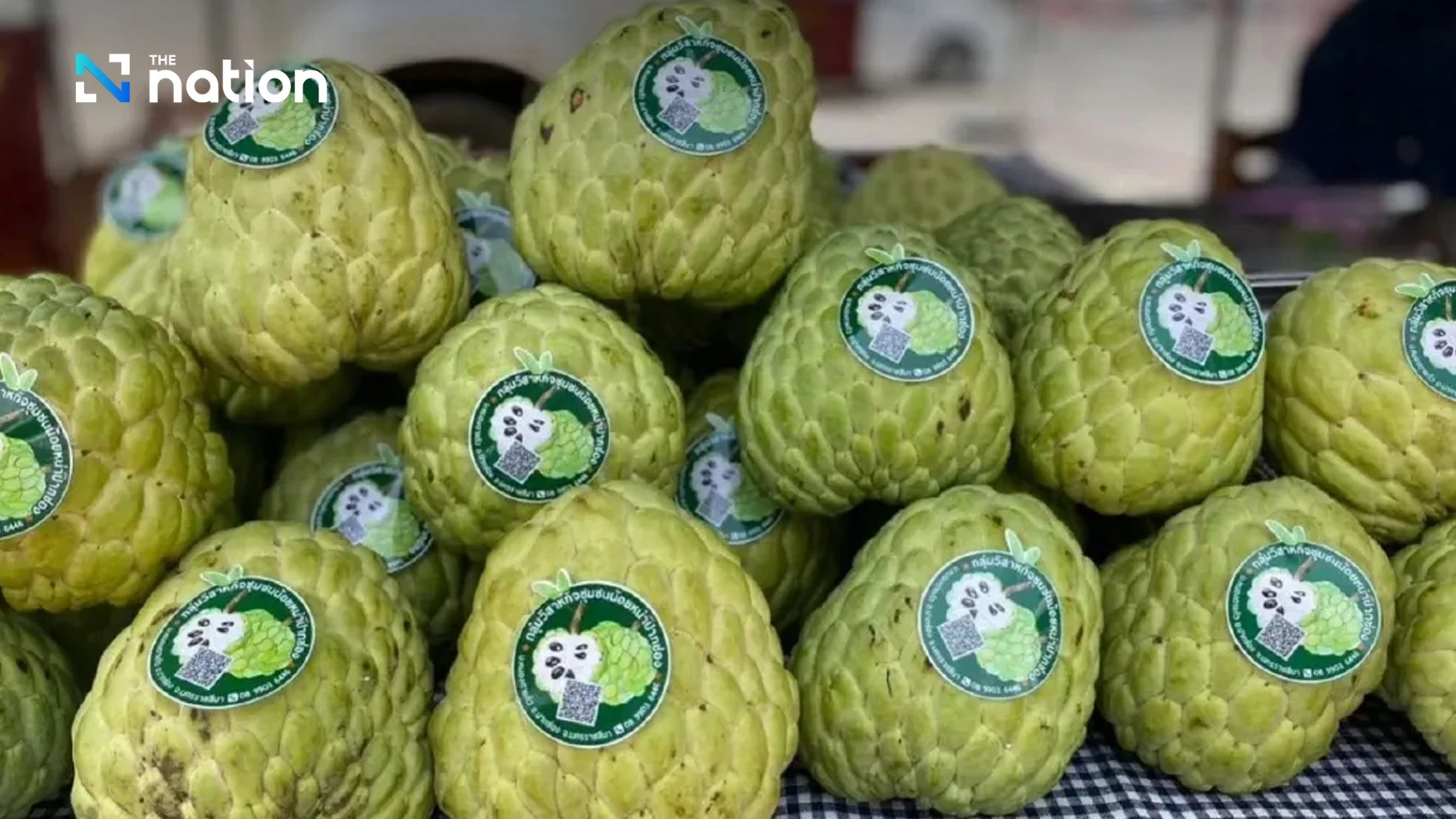
- Pak Chong Khao Yai sugar apples
- Ban Haet Khon Kaen Nam Dok Mai Si Thong mangoes, whose registered production area includes Bua Lai district in Nakhon Ratchasima.

Korat’s silk products draw on weaving knowledge passed down through generations, while Dan Kwian pottery and the province’s distinctive crops and fruit provide further scope for product development and wider market access.
Geographical indications safeguard product names
A geographical indication identifies a product whose quality, reputation or distinctive characteristics are linked to its place of origin. The system protects registered product names against misuse and false claims of origin, while encouraging producers to maintain quality and production standards.

The GI system also supports the preservation of local knowledge and traditional skills, helping communities add value to their products and develop lasting sources of income.
The Department of Intellectual Property, under the Ministry of Commerce, said it prioritises bringing local products into the GI system and supporting their development. The policy uses intellectual property to add value and improve the competitiveness of businesses and communities.
Thailand records 269 products across all 77 provinces
Thailand had 269 registered GI products across all 77 provinces as of August 14, 2026, according to the Department of Intellectual Property. The registrations cover agricultural goods, food, handicrafts and industrial products. The department also reported combined economic value of more than 117.276 billion baht.

Thailand’s GI registrations reflect the commercial potential of local resources and knowledge when developed into products with a distinctive identity.
Department targets quality control and wider markets
The Department of Intellectual Property plans to continue promoting GI registrations alongside quality control and marketing support in Thailand and overseas, helping businesses and communities make fuller use of the system.

For Korat, combining traditional knowledge with creativity, innovation and modern marketing offers opportunities to increase product value, create livelihoods and keep more spending circulating within local communities.