
Thailand Expands G2G Rice Deal With China to 1.22 Million Tonnes
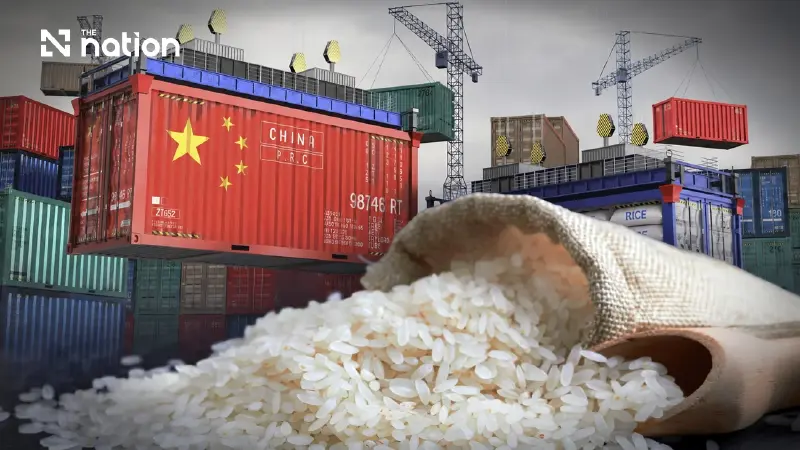


Thai Cabinet approves contract amendment adding 220,000 tonnes to China G2G deal, setting final delivery target for 2026
- The Thai Cabinet has approved an expansion of its government-to-government (G2G) rice deal with China, adding 220,000 tonnes to the agreement.
- This addition brings the total volume of new-crop rice to be purchased by China to 1.22 million tonnes.
- The final delivery deadline for the remaining 500,000 tonnes of rice has been extended through 2026.
- The expansion amends an original Memorandum of Understanding on Agricultural Trade Cooperation signed in 2014.
Thai Cabinet approves contract amendment adding 220,000 tonnes to China G2G deal, setting final delivery target for 2026.
The Thai Cabinet has approved an expansion of its government-to-government (G2G) rice trade agreement with China, increasing the purchase volume by 220,000 tonnes and extending the final delivery deadline through to 2026.
The agreement amends a Memorandum of Understanding (MoU) on Agricultural Trade Cooperation originally signed between Bangkok and Beijing on 19 December 2014.
Under the initial MoU, China committed to purchasing 1 million tonnes of new-crop rice alongside 1 million tonnes from Thai government stockpiles.
Revised Quantities and Delivery Terms
According to a report from Government House, state importer COFCO Corporation has taken delivery of eight separate shipments totalling 720,000 tonnes of new-crop rice to date.
This left an outstanding balance of 280,000 tonnes from the original contract.
Following negotiations, COFCO Corporation expressed intent to procure an additional 220,000 tonnes, bringing total outstanding deliveries to 500,000 tonnes.
Both governments agreed to incorporate the additional volume into the existing contract framework rather than initiating a new agreement.
Because the additional 220,000 tonnes exceeds the original 1 million tonne cap for new-crop rice previously authorised by the Cabinet, the Ministry of Commerce submitted the contract amendment for formal Cabinet approval to ensure compliance with trade regulations.
Regulatory Guidelines and Governance
The Cabinet instructed the Ministry of Commerce to finalise the contract addendum in consultation with the Ministry of Foreign Affairs, while incorporating feedback from the Ministry of Agriculture and Cooperatives and the National Economic and Social Development Council (NESDC).
Alongside the contract extension, the Cabinet formally acknowledged updated operational guidelines for future G2G rice negotiations.
The framework establishes standardised protocols for commercial negotiations, payment structures, delivery terms, and public disclosure requirements to ensure transparency in state-level agricultural trade.
