
Thailand begins human trials for personalised cancer vaccine
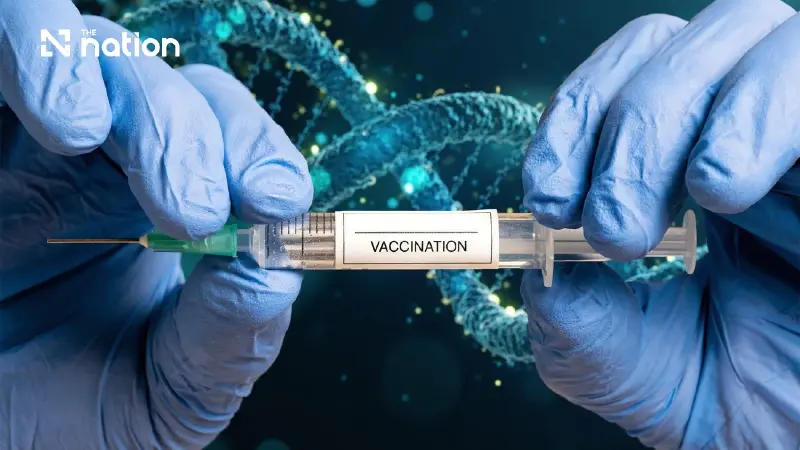


GPO, Chulalongkorn and US-based Seqker Biosciences advance Thailand’s personalised cancer vaccine trials for breast, gastric and colorectal cancers
- Thailand has initiated human trials for a personalised cancer vaccine, developed through a collaboration between the Government Pharmaceutical Organisation (GPO), Chulalongkorn University, and US-based Seqker Biosciences.
- The vaccine is tailored to individual patients by using genetic information from their own cancer cells to stimulate their immune system to specifically target and attack the tumor.
- The initial human trials are focusing on patients with three specific types of cancer: breast, gastric, and colorectal cancer.
- A key goal of the project is to make advanced cancer treatment more accessible, with local development potentially reducing costs by four to five times compared to similar therapies abroad.
Thailand moves deeper into precision cancer care
Thailand has begun human trials for a personalised cancer vaccine, marking a significant step in the country’s push towards precision medicine and advanced biotechnology-based cancer treatment.
The project is being developed through cooperation between the Government Pharmaceutical Organisation (GPO), the Faculty of Medicine at Chulalongkorn University and US-based Seqker Biosciences Inc.
The GPO and Seqker Biosciences signed a memorandum of understanding on December 1, 2022, to support the development of precision medicine and cancer-treatment innovation in Thailand.
The collaboration has now moved into human testing, using genetic information from cancer cells taken from individual patients to design vaccines tailored to each case.
Vaccine designed from each patient’s cancer profile
The personalised vaccine is based on genetic analysis of a patient’s own cancer cells.
That information is used to design a vaccine intended to stimulate the body’s immune system so it can recognise and attack cancer cells more specifically.
The approach is part of a wider global shift in cancer treatment, where researchers are exploring personalised vaccines alongside immunotherapy to improve treatment outcomes.
Unlike conventional vaccines, which are usually designed for broad population use, personalised cancer vaccines are tailored to the biological features of each patient’s tumour.
Thai trials focus on three cancer types
In Thailand, the early human trials are focusing on patients with breast cancer, gastric cancer and colorectal cancer.
Internationally, similar technologies are being studied and tested in several other cancers, including melanoma, kidney cancer, lung cancer and pancreatic cancer.
The Thai trial is therefore being positioned as an important step in bringing advanced cancer-treatment technology closer to domestic patients, rather than relying entirely on overseas medical innovation.
Potential to lower treatment costs
The project also highlights Thailand’s growing capability in medical biotechnology, from genetic sequencing and bioinformatics analysis to domestic vaccine development.
If successful, local development could help reduce treatment costs by as much as four to five times compared with similar treatment expenses in Europe or the United States.
That cost difference is one of the major reasons the project is being watched closely, especially as advanced cancer therapies abroad are often expensive and difficult for many patients to access.
Still under clinical evaluation
The personalised cancer vaccine is not yet a standard treatment and remains under clinical research and evaluation.
However, the project is being seen as another important move in Thailand’s ambition to become a future hub for precision medicine.
The development also reflects a broader direction in healthcare, where treatment is increasingly shaped by each patient’s genetic and biological profile, rather than using the same approach for every case.
Patients must pass medical screening
People interested in joining the project must first be assessed under criteria set by oncology specialists from hospitals participating in the network.
Those seeking more information can contact the Government Pharmaceutical Organisation through its Google Form channel or its official LINE account.
The trial remains subject to medical evaluation, and participation depends on whether patients meet the required clinical criteria.
