
The Wildlife Trade: A Breeding Ground for New Zoonotic Diseases
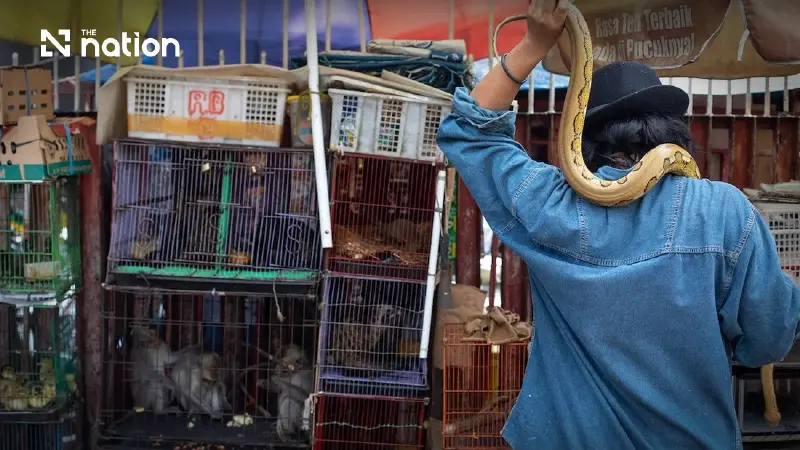


The risks of zoonotic diseases are becoming increasingly frequent and severe, making it vital to shift global strategy from reactive responses to prevention, according to the Alliance’s announcement of its new White Paper, Live Wildlife Trade and Markets.
Nearly 75% of emerging human diseases originate in wildlife, with zoonotic spillovers rapidly accelerating. In wild mammals and birds globally, there are up to 1.7 million undiscovered viruses, with 850,000 capable of infecting humans.
This extreme adaptability is already on display, as SARS-CoV-2 has naturally jumped to at least 35 different animal species.
The pandemic threat stems not from wildlife itself, but from hazardous human handling throughout the supply chain. Capture and transport cause severe biological stress, crippling the animals' immune systems and causing them to shed viruses at dangerously high rates.

At live markets, forcing diverse species together allows viruses to easily swap genetic material and adapt to new hosts. Combined with poor hygiene and direct human contact with animal blood, these markets replicate the exact conditions that historically unleashed devastating pandemics like HIV-1.
Data from the CITES Secretariat in 2022 shows that the global wildlife trade, which generates about $220 billion annually from legal sales, is linked to a wide range of harmful zoonotic diseases.

Additionally, the multi-billion-dollar exotic pet trade continues to expand globally, driven by a high consumer demand for rare and exotic animals. This lucrative market relies on highly complex, cross-border supply chains.
Significantly, health inspection systems for animals in this business still have massive gaps. Even developed nations like the UK and the US lack systematic pathogen screening for certain imported wildlife, allowing animals with uncertain health statuses to enter households.
The "One Health" framework, linking human, animal, and environmental stability, is facing unprecedented threats on an international level, driven primarily by biological, ecological, and inefficient governance factors.
The White Paper also emphasises that without systemic change, future pandemics will inflict mass casualties and crush global supply chains across tourism, transport, and agriculture.

Furthermore, the unchecked wildlife trade triggers severe disease outbreaks among wild animals and poultry, destabilising biodiversity and directly threatening global food security.
The strategy of "prevention at the source" is therefore far more cost-effective in avoiding the massive economic disruption and loss of life seen during the COVID-19 pandemic. Strengthening surveillance, reducing deforestation, and regulating the wildlife trade could cost less than one-twentieth of the annual economic losses from pandemic deaths.
