
Thailand urged to strengthen stroke care as ageing society raises risks
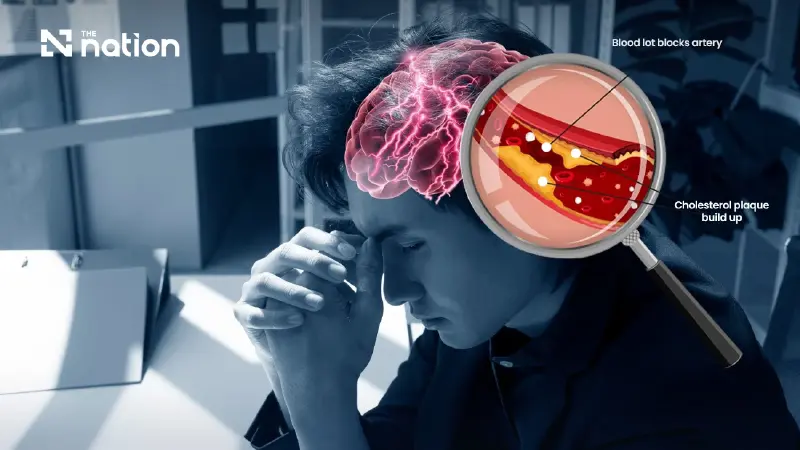


A new Siemens Healthineers report highlights Thailand’s stroke burden, regional care gaps and the need for stronger emergency response systems.
Thailand needs to further strengthen its stroke response system as the country faces a rising disease burden driven by an ageing population and unequal access to specialised treatment, according to a new report by Siemens Healthineers.
The report, “Strengthening Stroke System Readiness Across ASEAN,” brings together insights from leading stroke experts in Southeast Asia, including doctors from Siriraj Hospital, highlighting challenges and solutions to improve stroke care across the region.
Stroke remains a major health challenge in Southeast Asia
Stroke has become an urgent public health issue in Southeast Asia, with the region accounting for a significant share of global stroke-related deaths, according to data cited from the World Health Organization (WHO).
Many stroke survivors face long-term disabilities, creating a growing healthcare challenge as populations across the region age.
In Thailand, stroke is the second leading cause of death, while around 60% of patients experience disability following the condition.
Experts said the situation is further complicated by disparities in access to specialist care between Bangkok and provincial areas, where patients may face longer travel times and limited availability of stroke specialists and neuro-radiologists.
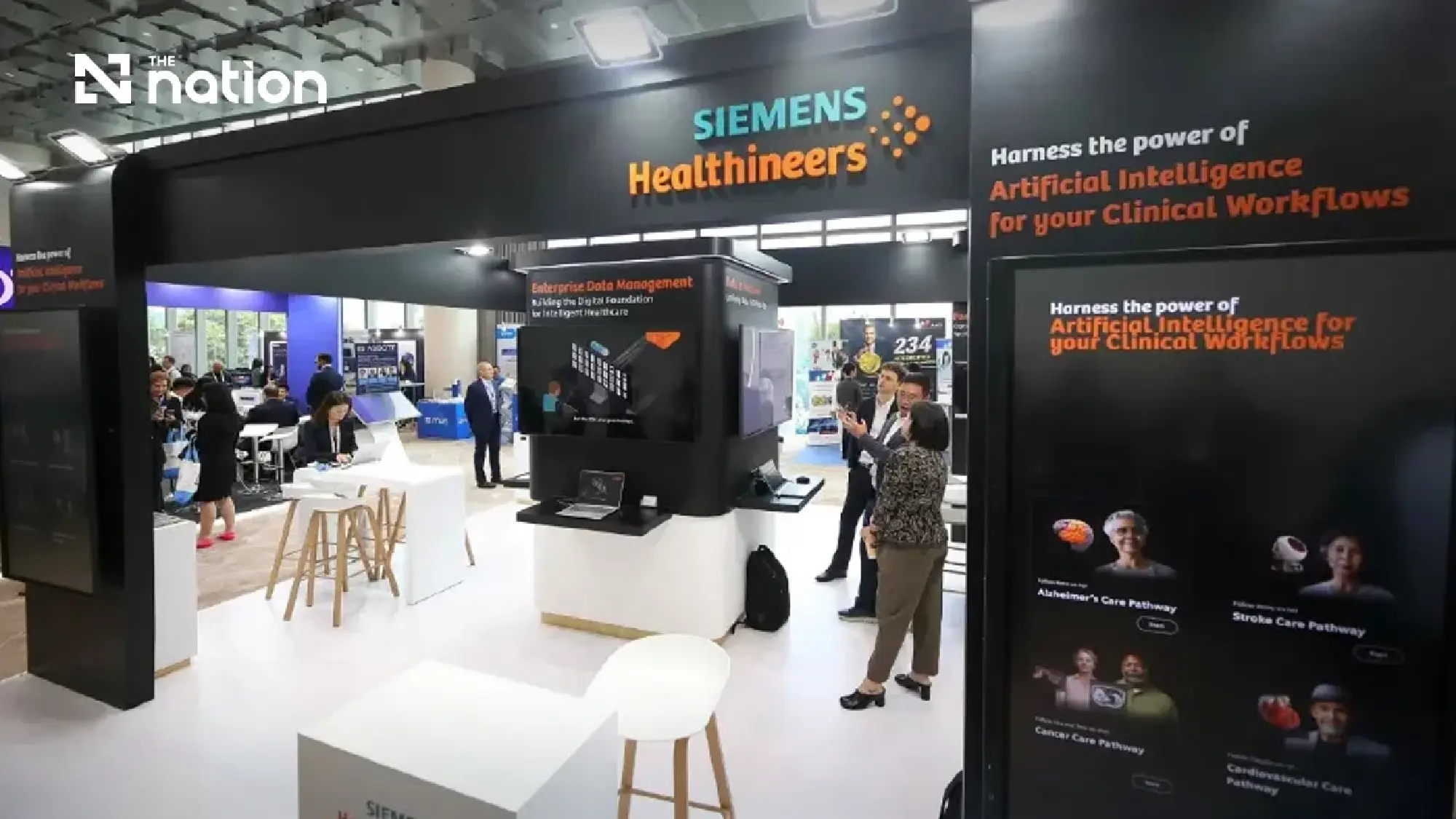

Delays before hospital arrival remain a key challenge
Thailand has made progress through its nationwide Stroke Service Plan, supported by the Ministry of Public Health, the National Health Security Office (NHSO), the 1669 emergency medical service system and stroke centre networks.
However, the Siemens Healthineers report identified the pre-hospital phase as a critical area requiring improvement.
Many people still lack awareness of stroke warning signs under the FAST principle, which can delay decisions to seek emergency medical assistance.
For patients outside major urban areas, transfers to comprehensive stroke centres can take one to two hours due to geographical barriers and referral limitations.
The shortage of specialised healthcare professionals outside Bangkok, together with the need for further training among general doctors in rapid assessment and patient triage, remains another challenge.

Siriraj Hospital showcases rapid-response stroke model
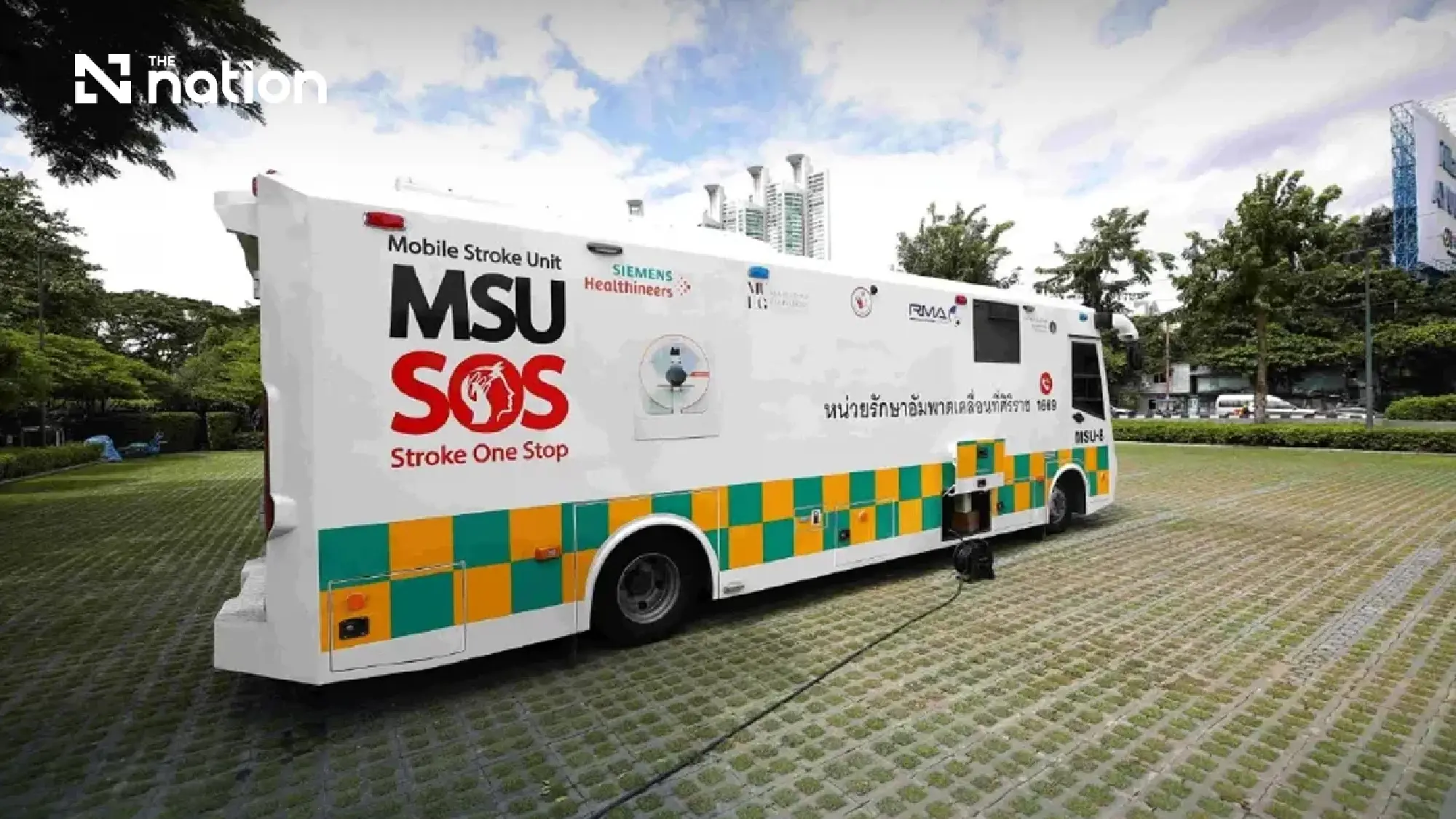
Thailand has developed a model for improving emergency stroke care through Siriraj Hospital’s 24-hour stroke emergency system, supported by the Mobile Stroke Unit - Stroke One Stop (MSU-SOS) initiative.
Operating since 2018, the programme has treated more than 2,900 patients by bringing stroke assessment and early treatment closer to patients before they reach hospital.
A key innovation is the MSU-8 vehicle, developed through collaboration between Siriraj Hospital, Mahidol University’s Faculty of Engineering, Siemens Healthineers and RMA Automotive.
The mobile unit combines telemedicine, an on-board CT scan system and AI technology to help detect stroke symptoms, allowing medical teams to diagnose and begin treatment while patients are still travelling to hospital.
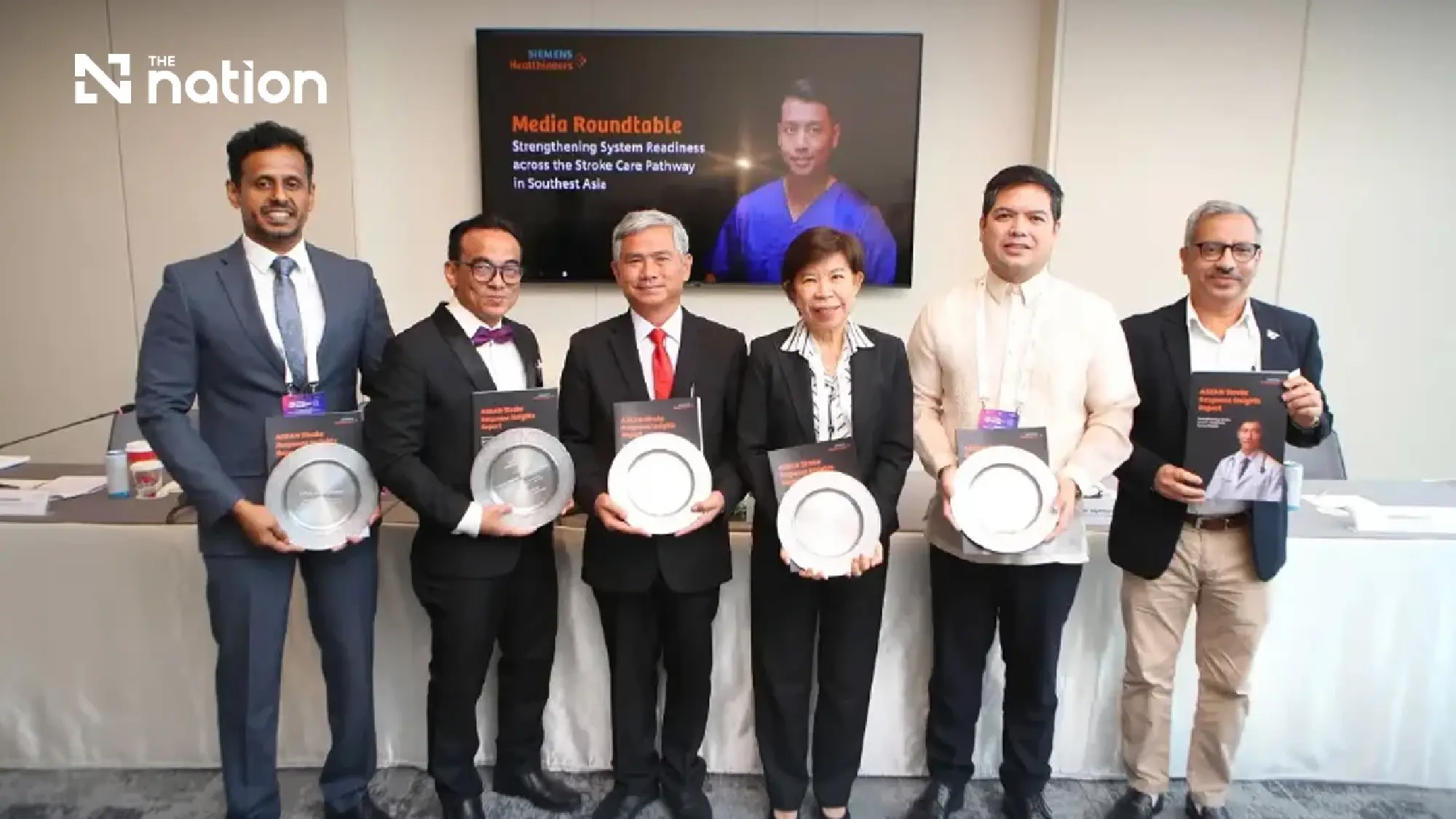

Experts highlight five priorities for stronger stroke systems
Experts said technology, including artificial intelligence (AI), can help improve stroke care by supporting patient prioritisation, faster assessment, clinical decision-making and specialist access through Tele-stroke networks.
However, they stressed that technology must be combined with trained healthcare workers, clear treatment pathways and effective referral systems.
The report outlines five priorities to strengthen stroke care:
- Expanding comprehensive stroke centres within a 60–80 kilometre radius and improving referral networks between healthcare facilities.
- Introducing AI-powered Tele-stroke systems to support early assessment at referring hospitals.
- Developing clinical decision-support tools to reduce delays in patient triage.
- Increasing stroke-related training for non-neurology doctors at referral hospitals.
- Strengthening emergency medical services while improving public awareness of FAST stroke warning signs.
Experts said a coordinated approach combining healthcare infrastructure, technology and public awareness will be essential to improving stroke outcomes across Thailand and Southeast Asia.
Source: Thansettakij
