
Rights group calls for justice two years after Bangkok violence


Play
Thai governments have failed to hold accountablethose involved in street fighting between government forces andprotestors in 2010, Human Rights Watch said Tuesday.
"Those harmed in the upheavals and their families are stillwaiting for justice because successive governments haven't kept theirpromises to hold the abusers accountable," said John Sifton, Asiaadvocacy director at the New-York based organisation.
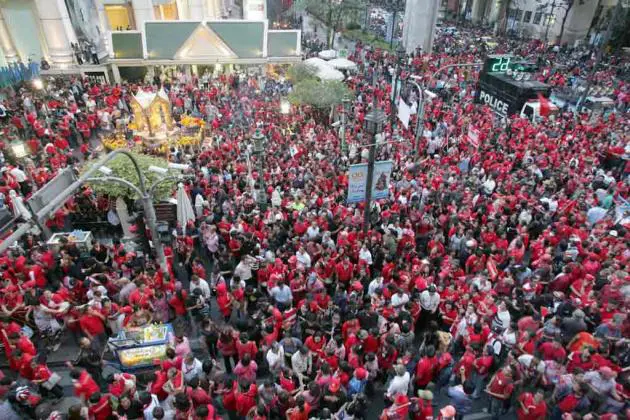
The statement came two years after then-prime minister AbhisitVejjajiva gave the order on April 10, 2010 to clear a street protestin the old part of Bangkok, provoking a clash that left 19protesters, six soldiers and one Japanese journalist dead.
The protests, led by the United Front for Democracy againstDictatorship (UDD), or Red Shirts, continued until May 19, when thegovernment arrested their leaders.
Altogether, 92 people died in the two months of clashes which leftparts of the city in flames.
The current government of Prime Minister Yingluck Shinawatra, thesister of the UDD's de facto leader and fugitive politician ThaksinShinawatra, has offered compensation to the victims.
But no one has yet been held accountable for the deaths, injuriesand property damage, Human Rights Watch said.
Instead, the government of the Pheu Thai party is pushing apolitical reconciliation plan that includes a blanket amnesty.
"The reconciliation proposal is about enabling powerful people onall sides to get away with grievous crimes," Sifton said. "Everyonewins, except the victims." Thailand has a recent history of granting amnesties for thoseaccountable for politically motivated violence. Governments grantedamnesties after crackdowns on street demonstrations in 1973, 1976 and1992.
