
Govt opens the door for smaler firms


Play
Cabinet changes qualification rule
The Cabinet dropped a key barrier yesterday that could stop small companies with good ideas from proposing flood-prevention or water management plans.
“Interested companies are no longer required to have projects worth at least Bt30 billion over the past decade,” Science Minister Plodprasob Surassawadee said yesterday, in his capacity as chair of the Water and Flood Management Committee (WFMC).
He spoke after Cabinet approved the change to criteria that companies or joint ventures need to be eligible to present conceptual plans to a state selection panel.
Plodprasob has chaired the WFMC panel. It is tasked with screening plans presented by companies to improve Thailand’s sustainable flood prevention and water management.
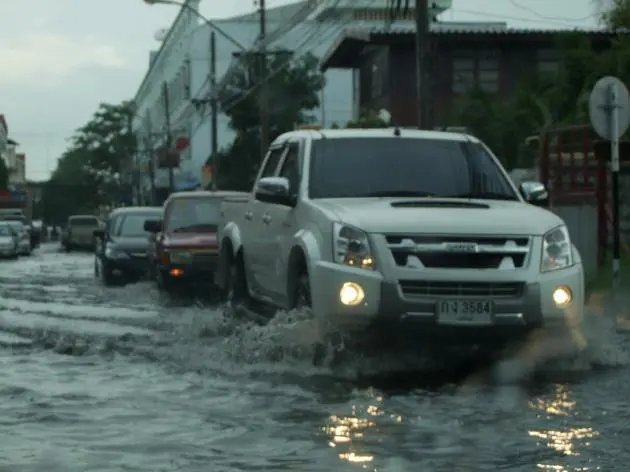
A massive budget – several hundred billion baht – has been allocated for implementation of worthy proposals, aimed at preventing a repeat of last year’s huge flood that devastated Bangkok and the Central region.
Deputy government spokeswoman Sansanee Nakpoing said companies interested in proposing a big project or plan would need to have handled projects worth at least 10 per cent of the value of a proposed project or plan during the past decade.
“If these companies submit a proposal under a joint venture, each project eligible for calculation must be worth at least Bt200 million,” Plodprasob explained.
Cabinet also extended the deadline for the submission of conceptual plans from August 24 to September 14, Sansanee said.
Ministers also approved the appointment of Deputy Transport Minister Chatchart Sithipan as deputy chair and spokesman for the selection panel for conceptual plans.
An informed source said the Office of the Prime Minister proposed the changes to the qualifications of firms eligible to submit conceptual plans. The move aims to eliminate suspicion that the Bt30-billion criterion was used to favour big companies.
Plodprasob assured that the selection of qualified firms for flood and water projects would be conducted transparently.
“If you see me with the representative of any firm (vying for the project), you can lodge a complaint against me or stomp me on sight,” he said.
Prime Minister Yingluck Shinawatra also firmly dismissed an allegation that her government had prepared terms of reference for the flood prevention and water management projects in a way that favoured foreign companies.
“No,” she said. “There’s no such thing. We will choose what is best for the country.”
Her government has approved a huge budget for flood prevention and water management following the flood crisis last year, which claimed about 800 lives, ravaged huge areas of farmland, and swamped seven industrial estates.
But as well as flood problems, and the advent of wet-season downpours, Thailand also faces drought.
Songyos Jerdnapapan, director of a hydropower plant in the Northeast, said water volume in most dams in the region was just 20 per cent of their capacity.
“Now, just one million cubic metres of water flows into the Ubonrat Dam each day, while the dam in fact needs to release about six million cubic metres of water to local farmers,” he said.
Without adequate water, rice in local paddy fields would suffer, he said. Yesterday, Ubonrat Dam had only 24 per cent of its capacity.
In Nakhon Ratchasima, Irrigation Office 8 director ML Anumas Thongtham said although the water volume in local dams was fast reducing, he was convinced heavy rain would fall very soon.
“But if it doesn’t rain, we can launch rainmaking operations,” he said.
